



Most Functional Kitchen Design: Layouts, Zones, Storage
What is the most functional kitchen design?
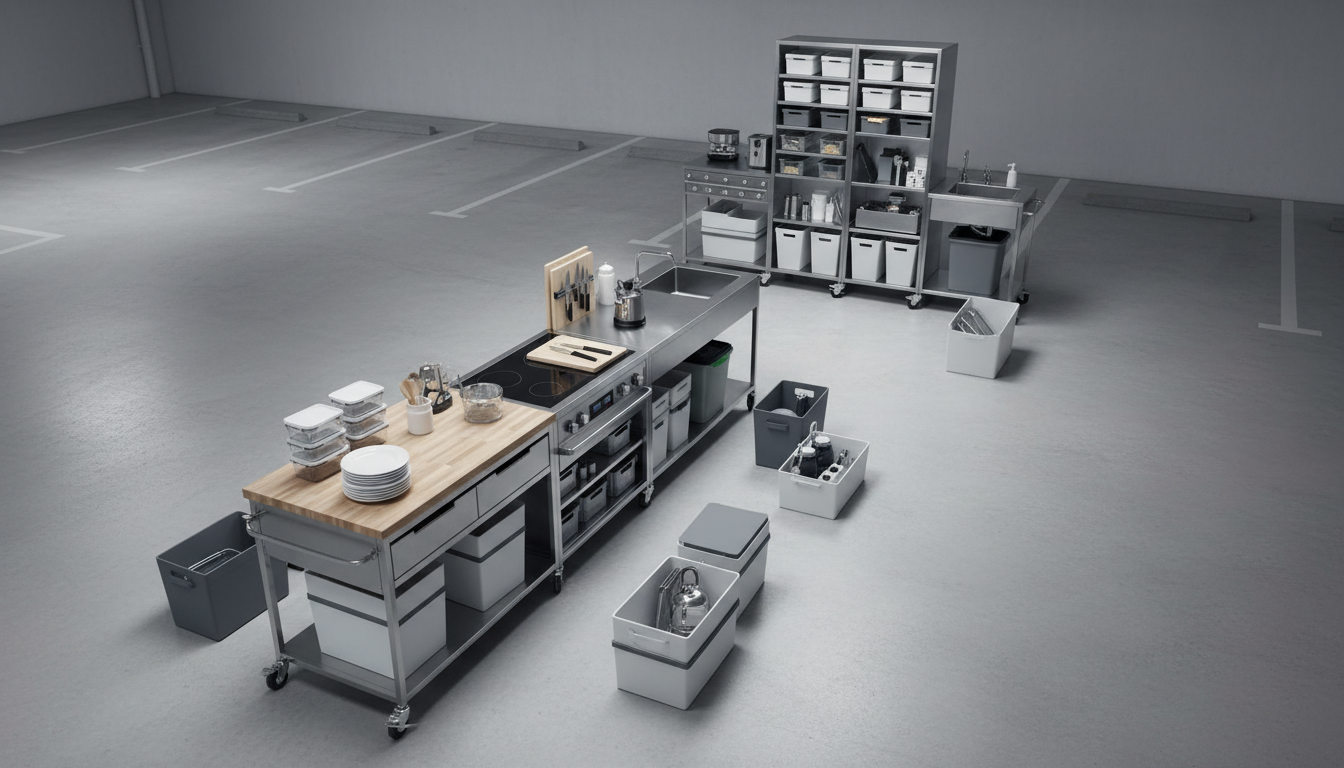
The most functional kitchen design is one that minimizes steps, keeps essential tools within easy reach, and creates clear zones for prepping, cooking, cleaning, and storage. For most homes, that means a well-planned work triangle (sink, stove, refrigerator) or an efficient “work zone” layout with uninterrupted counter space where tasks actually happen.
Answer
A highly functional kitchen typically combines an efficient layout with smart storage and clutter-free countertops. Layouts that tend to perform best are L-shaped, U-shaped, and galley kitchens because they keep travel distances short and preserve continuous work surfaces. An island can be extremely functional too—if it doesn’t block the main walkway and if it adds purpose (prep space, seating, storage, or a second sink) rather than becoming an obstacle.
Prioritize workflow zones
Design around how cooking really flows: unload groceries near the fridge/pantry, prep near a sink and trash, cook with nearby utensils and spices, then clean with a clear path back to storage. When each zone has the tools it needs, the kitchen feels faster and calmer—especially with multiple people cooking.
Protect your counter space
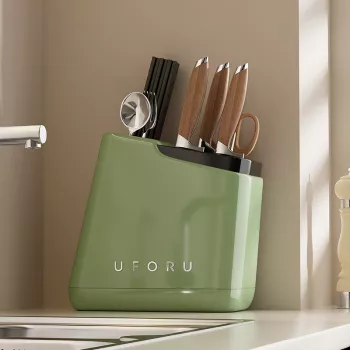
Counter space is the “runway” for daily tasks. Small decisions—like where knives dry, where utensils live, and how dishes get handled—can make the difference between a tidy surface and constant pileups. For practical ideas that support cleaner counters (including a dedicated knife and utensil drying station), see this guide to a knife and utensil drying station for cleaner counters.
Make storage match frequency
Store everyday items at arm level near where they’re used: knives and cooking tools by the prep area, pots and pans near the cooktop, and dishware close to the dishwasher for quick put-away. Deep drawers often outperform lower cabinets for cookware because you can see and grab what you need without kneeling and digging.
Get the clearances right
Function improves dramatically when spacing is comfortable. Keep primary walkways open, allow enough room for appliance doors to swing without collisions, and avoid placing an island so close to cabinets that two people can’t pass. Good lighting—task lights over prep areas plus ambient lighting—also reduces friction and mistakes.
FAQ
How can I keep my countertops clear in a busy kitchen?
Create “homes” for high-traffic items: a drying area for washed tools, a drop zone for mail/keys outside the kitchen, and drawer or rail storage for utensils. The less that lives on the counter, the more usable prep space you keep day to day.









Leave a comment