



European Wall Mirror Ideas for Bathroom & Dressing Room
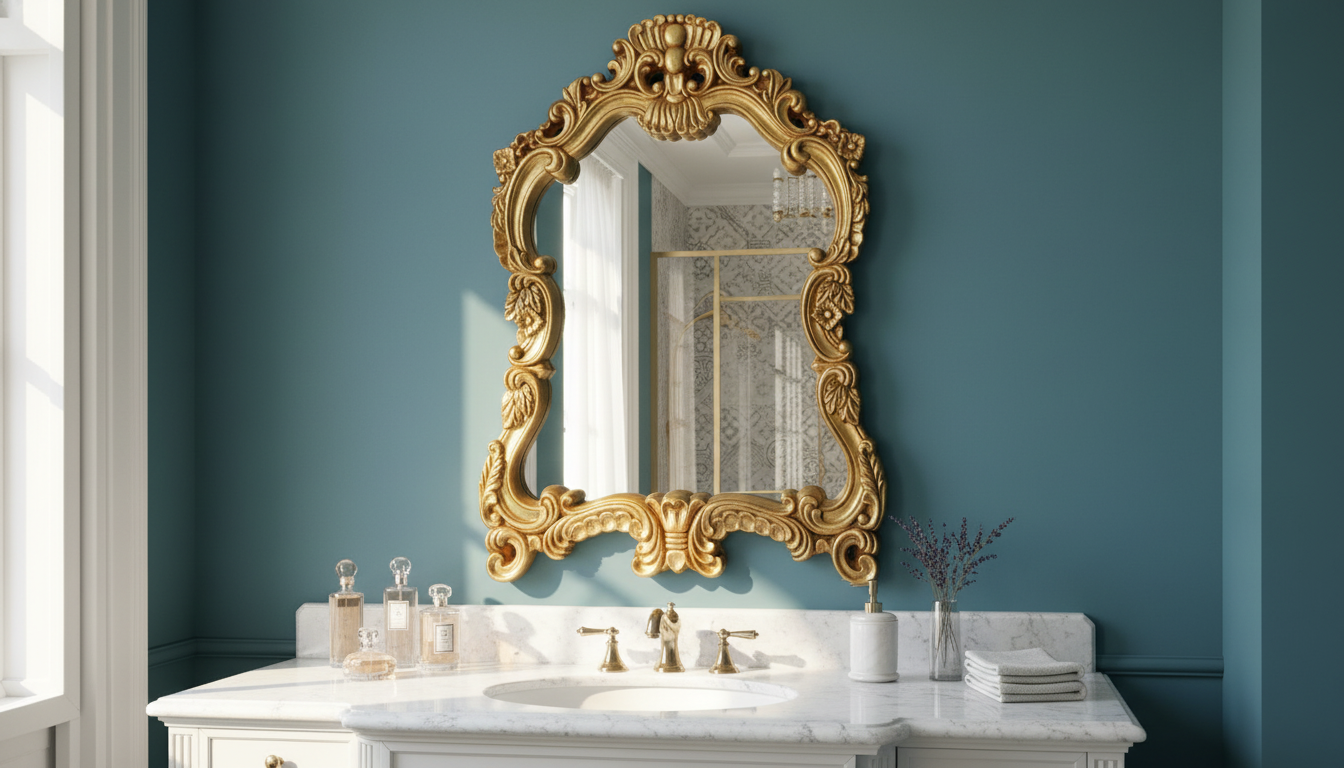
European Wall Hanging Decorative Mirror for Bathroom and Dressing Room
A wall-hanging decorative mirror with European character can elevate daily routines by improving light, adding depth, and anchoring the room’s style. Placed above a vanity or in a dressing area, the right shape, scale, and finish can make small spaces feel more open while creating a polished focal point.
What a European-style decorative mirror adds to a room
A European-inspired mirror tends to read as décor first and a daily essential second—and that’s exactly why it works so well in bathrooms and dressing zones. Instead of feeling like an afterthought above the sink, an ornate or thoughtfully finished frame brings warmth to hard surfaces like tile, stone, and chrome.
- Creates a focal point that feels curated, especially helpful in bathrooms that lean heavily on fixtures and clean lines.
- Reflects natural and layered lighting to brighten corners and visually expand narrow bathrooms or compact dressing areas.
- Pairs beautifully with classic, Parisian, and updated vintage interiors; it can also sharpen modern rooms by adding a single “old-world” contrast note.
- A framed, wall-hung mirror helps define a “getting ready” zone even in open-plan bedrooms.
Bathroom vs. dressing room: choosing the best placement
The best location depends on whether the mirror is primarily for grooming, for styling, or for balancing the room’s visual weight.
- Bathroom placement: center it over the vanity for everyday grooming. If possible, avoid direct splash zones to reduce spotting and protect the frame finish.
- Dressing room placement: position it near wardrobe storage and a clear standing area for outfit checks. If you like seeing multiple angles, consider adding a second mirror nearby.
- If the mirror is mostly decorative, use it to “quiet” heavier elements—tall cabinets, bold wallpaper, or an oversized window that needs a visual counterpoint.
- For two-sink vanities, choose either one large statement mirror or two matching mirrors to keep symmetry.
Humidity is the main differentiator: bathrooms require more attention to ventilation and moisture management. Guidance from the EPA on moisture control is especially useful if your bathroom regularly fogs up after showers.
Sizing and hanging height that looks intentional
Great mirrors don’t just “fit”—they align with the architecture of the wall, the proportions of the vanity or console, and the way people actually use the space.
- Vanity guideline: the mirror typically looks most cohesive when it’s slightly narrower than the vanity width.
- Eye-line guideline: aim to place the mirror’s center roughly around average eye level, then adjust for the primary users’ heights.
- Dressing rooms: allow enough vertical viewing area to check proportions; if you can’t get full coverage, pair your wall mirror with a full-length mirror nearby.
- Backsplash spacing: leave a small visual gap so the frame doesn’t feel cramped against tile or stone.
Quick sizing guide for common setups
| Placement | Typical mirror width vs. surface | Common bottom clearance | Notes |
|---|---|---|---|
| Single-sink vanity | 70–90% of vanity width | 4–8 in (10–20 cm) above faucet/backsplash | Keeps proportions balanced; frame reads decorative without overpowering. |
| Double-sink vanity (one mirror) | 60–80% of total vanity width | 4–8 in (10–20 cm) | Best when lighting is symmetrical and wall space is uninterrupted. |
| Double-sink vanity (two mirrors) | Each mirror aligned to each sink | 4–8 in (10–20 cm) | Great for shared bathrooms; maintains rhythm and symmetry. |
| Dressing area / console | 60–100% of console width | 6–12 in (15–30 cm) above surface | Leave space for trays, perfumes, or décor without crowding the frame. |
Materials and finishes that handle humidity and daily use
European-style mirrors often feature detailed frames, metallic accents, or antique-inspired finishes. Those elements can look stunning, but they also benefit from sensible placement and maintenance—especially in a steamy bathroom.
- In bathrooms, prioritize finishes that resist moisture exposure; consistent ventilation helps preserve frames and backing.
- If the frame has metallic accents, wipe promptly after steamy showers to reduce spotting and discoloration.
- Look for sturdy wall-hanging hardware and a rigid backboard so the mirror stays flush and doesn’t warp over time.
- For dressing rooms, durability is more about dusting and fingerprints than humidity—choose a finish that cleans easily without streaks.
Installation essentials and wall safety
Care and cleaning for a clear reflection
- Use a microfiber cloth to reduce lint and streaks; avoid saturating the frame or allowing cleaner to seep behind the glass.
- Spray cleaner onto the cloth rather than directly on the mirror to protect edges and backing.
- For bathrooms, remove haze by improving ventilation and quickly drying the surface after hot showers.
- Avoid abrasive pads or harsh chemicals that can damage decorative finishes; the CDC’s general cleaning guidance is a helpful baseline for safer cleaning habits.
Styling ideas that highlight European character
Product highlight
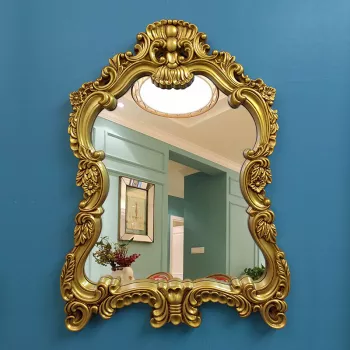
- European Wall Hanging Decorative Mirror for Bathroom and Dressing Room (In stock): a decorative wall-mounted option designed to serve both grooming and styling needs while acting as a statement piece.
- Best suited for vanity walls, dressing nooks, or above a console where the frame can be appreciated as part of the room’s overall composition.
- Coordinate with metallic hardware, towel bars, or lighting finishes for a cohesive look.
- elegant-art-deco-inspired-crystal-branch-chandelier-for-dining-room (In stock): a statement lighting option that can complement vintage-inspired finishes and add sparkle to adjacent spaces.
- Clear Space, Clear Mind: How to Find Motivation and Declutter Your Home for Good (In stock): helpful for streamlining countertops and surfaces so the mirror remains the star.
FAQ
Which type of mirror is used in a dressing room?
A dressing room often uses a full-length mirror for head-to-toe outfit checks, plus a wall-hung decorative mirror for close-up grooming and a more finished look. If space allows, pairing a decorative wall mirror with a full-length mirror gives the best mix of style and function.









Leave a comment