



Large Towel Warmer with Wood Handle: Cozy, Dry Towels
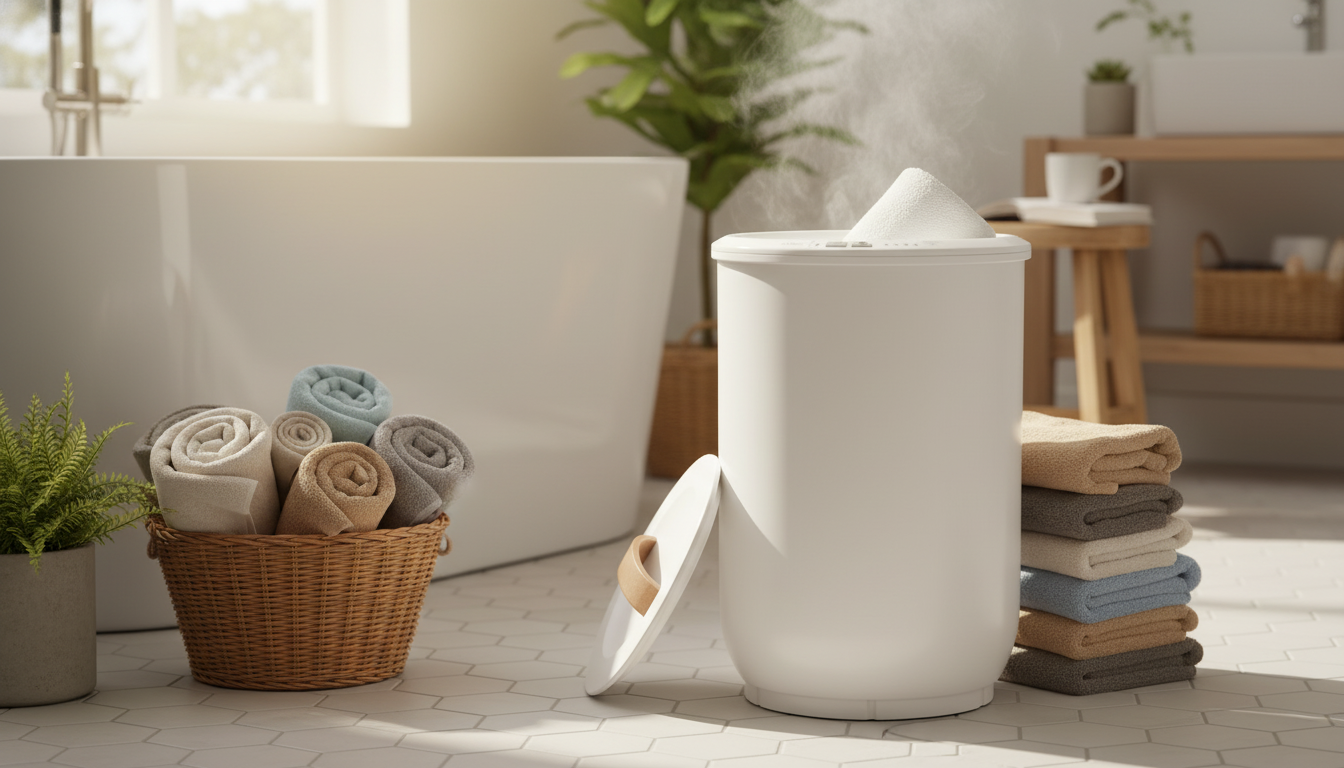
Large Bathroom Towel Warmer with Wood Handle: Comfort, Dry Towels, and a Spa-Like Routine
A towel warmer can turn the most ordinary part of the day—stepping out of the shower—into something noticeably more comfortable. A large bathroom towel warmer with a wood handle is especially easy to live with: it warms what you actually use (bigger towels, robes, and loungewear), and the wood accent adds a calmer, more natural note to the room. Below are practical ways to choose the right size, place it safely, and keep towels cozy and fresh between laundry days.
Why a towel warmer changes the feel of a bathroom
Warm towels aren’t just a “nice to have.” They’re one of those small upgrades that shows up every single day, especially in colder months or in bathrooms that stay damp.
- Comfort right away: Warm towels and robes feel better against skin immediately after bathing.
- Faster dry time: Helping towels dry between uses can reduce that persistent damp odor that builds in humid bathrooms.
- A practical spa upgrade: The bathroom feels more intentional—less like a utility space and more like a routine you look forward to.
- Household-friendly: Great for frequent showers, kids’ bath time, swim practice towels, and guest bathrooms where you want a “hotel detail” without extra effort.
Wood handle benefits: comfort, control, and a warmer look
A wood handle is more than a style detail. It changes how the warmer feels to use and how it fits into the room’s overall texture.
- More comfortable grip: Wood tends to stay easier to hold than bare metal touch points when the unit is warm.
- Softer visual contrast: The natural accent pairs well with stone, tile, matte fixtures, and neutral palettes.
- Better day-to-day handling: If the design involves lifting, opening/closing, or repositioning, a wood handle makes those interactions feel smoother and less “appliance-like.”
- Works with mixed materials: Particularly good for bathrooms blending modern finishes with organic materials like wood, rattan, cotton, or linen.
Sizing and capacity: choosing a “large” warmer that fits real life
“Large” should mean it matches your actual routine—not just that it looks bigger on the counter. Before buying, think in terms of how many people will use it, the towel sizes in your home, and how tightly items will fit inside.
- How many towels at once: A single-user household may only need one towel per cycle, while families benefit from extra capacity and quicker turnaround between showers.
- Towel type matters: Bath sheets and thick spa towels take significantly more space than standard bath towels.
- Airflow improves results: Overstuffing can lead to uneven warming. Looser placement typically warms more evenly and helps moisture escape.
- Robes need breathing room: If you plan to warm loungewear or robes, allow extra space to avoid tight packing that limits performance.
Quick fit guide for towel warmer placement and use
| Bathroom scenario | What matters most | Suggested approach |
|---|---|---|
| Small bathroom with limited floor space | Footprint and safe clearance | Place in a corner or beside the vanity with room around vents/sides; avoid tight enclosures |
| Shared primary bath (2+ users) | Capacity and turnaround time | Choose a larger capacity unit; rotate towels so one warms while another is in use |
| Humid bathroom with slow-drying towels | Drying performance and odor prevention | Use the warmer after showers; keep towels loosely arranged to improve airflow |
| Guest bath or powder room | Simple operation and aesthetics | Keep it visible but out of splash zones; provide a warmed towel for guests before arrival |
Placement that works: convenience, safety, and daily flow
The best location supports a simple habit: load towels before the shower, grab them immediately after—without cords, doors, or clutter getting in the way.
- Near the shower or tub (but not in splash zones): Close enough to be convenient, far enough to stay dry and safe.
- Outlet access without hazards: If the unit is electric, avoid routing cords across walkways or where cabinet doors will snag them.
- Give it breathing room: Keep clearance from shower curtains, toilet paper, tissues, and other heat-sensitive items.
- Protect traffic paths: In tighter bathrooms, prioritize a spot that won’t block drawers, hamper pull-outs, or the main route to the shower.
For general home safety guidance around heated appliances, it’s worth reviewing recommendations from the U.S. Consumer Product Safety Commission (CPSC) and the National Fire Protection Association (NFPA).
What to look for in performance and features
A towel warmer should feel steady and predictable—more like a reliable part of the routine than a gadget that needs constant babysitting.
If energy use is part of your decision, general efficiency and home comfort guidance from ENERGY STAR can help frame expectations for heat-related appliances in the home.
Safety and care: keeping towels fresh and the unit in good condition
Style pairing: making the warmer look intentional
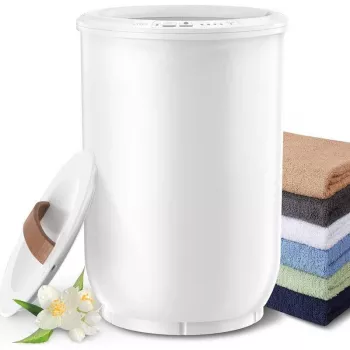
Product spotlight: Large Bathroom Towel Warmer with Wood Handle
Shop: Large Bathroom Towel Warmer with Wood Handle
Build a calmer “after-shower” routine (optional add-ons)
- Breathe Easy: Your Mindfulness Breathing Action Checklist for a simple post-shower reset.
- Clear Space, Clear Mind: Decluttering Guide to keep counters and cabinets from turning into “drop zones.”
FAQ
Where is the best place to put a towel warmer in the bathroom?
Place it close to the shower or tub for convenience, but outside direct splash zones and with clear space around it for safe heat dispersal. Make sure it can reach a suitable outlet without stretching cords across walkways, and keep it away from curtains, paper goods, and other heat-sensitive items.










Leave a comment