



Beginner Stress-Relief Meditation Checklist: 7 Steps
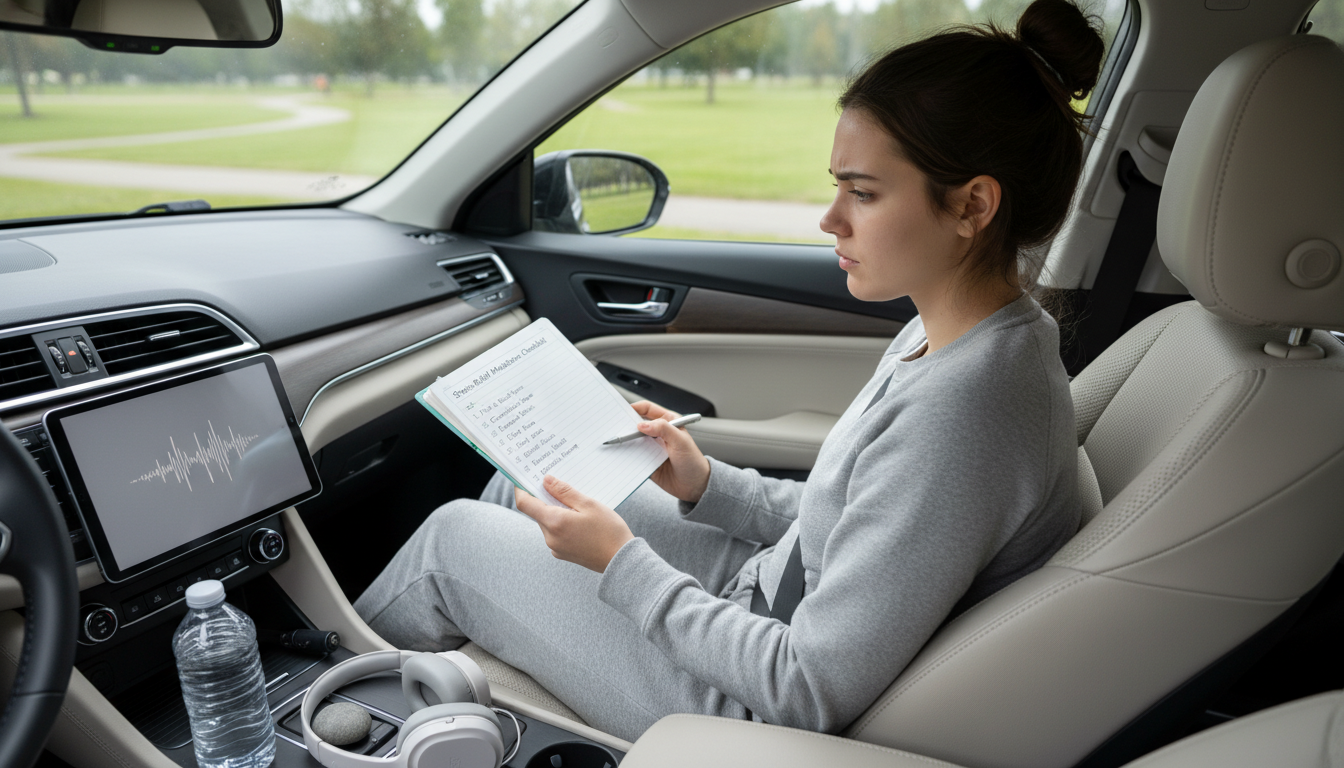
What should a stress-relief meditation checklist include for beginners?
A beginner-friendly stress-relief meditation checklist should cover three things: a simple setup, a clear sequence to follow, and a gentle way to end so you feel steady afterward. The goal isn’t to “empty your mind,” but to give your attention a few easy places to land when stress is loud.
1) A calm, low-effort setup
Start with a quiet-ish spot, a timer, and a comfortable posture. Include a reminder that sitting in a chair is perfectly fine and that eyes can be open or closed. Add one line to reduce pressure: “Aim for comfort and stillness, not perfection.”
2) A short time commitment
Beginners do best with 3–10 minutes. Put “start small” directly on the checklist, and include an option to add one minute if it feels good rather than forcing longer sessions.
3) A grounding cue to arrive
List one quick grounding step: feel both feet, notice the contact points of your body, or name five things you can see. This helps shift your nervous system out of urgency and into the present.
4) Breath guidance that’s easy to follow
Include a simple pattern (like a longer exhale) and a note that normal breathing is okay. Examples: “Inhale naturally, exhale slowly,” or “Count 1–4 on the inhale, 1–6 on the exhale.”
5) A focus anchor and a reset plan
Choose one anchor: breath sensations, a short phrase (“I’m safe right now”), or ambient sounds. Add the key instruction: when your mind wanders, gently return—no scolding, no starting over.
6) A closing routine
End with a 10–20 second body scan, a deeper breath, and a transition step (wiggle fingers, open eyes, stand slowly). This prevents the “snap back” into stress.
7) A quick reflection
Finish with one check-in question: “What feels 1% calmer?” or “Where do I notice ease?” This builds consistency without turning meditation into a performance.
For a ready-to-use guided checklist you can follow step by step, see this quick calm AI-guided checklist for anxiety relief.
FAQ
How long should a beginner meditate for stress relief?
Three to ten minutes is enough to start. Consistency matters more than duration, so choose a time you can repeat daily.












Leave a comment