



Elevated Ceramic Pet Bowl: Anti-Slip, High-Foot Comfort
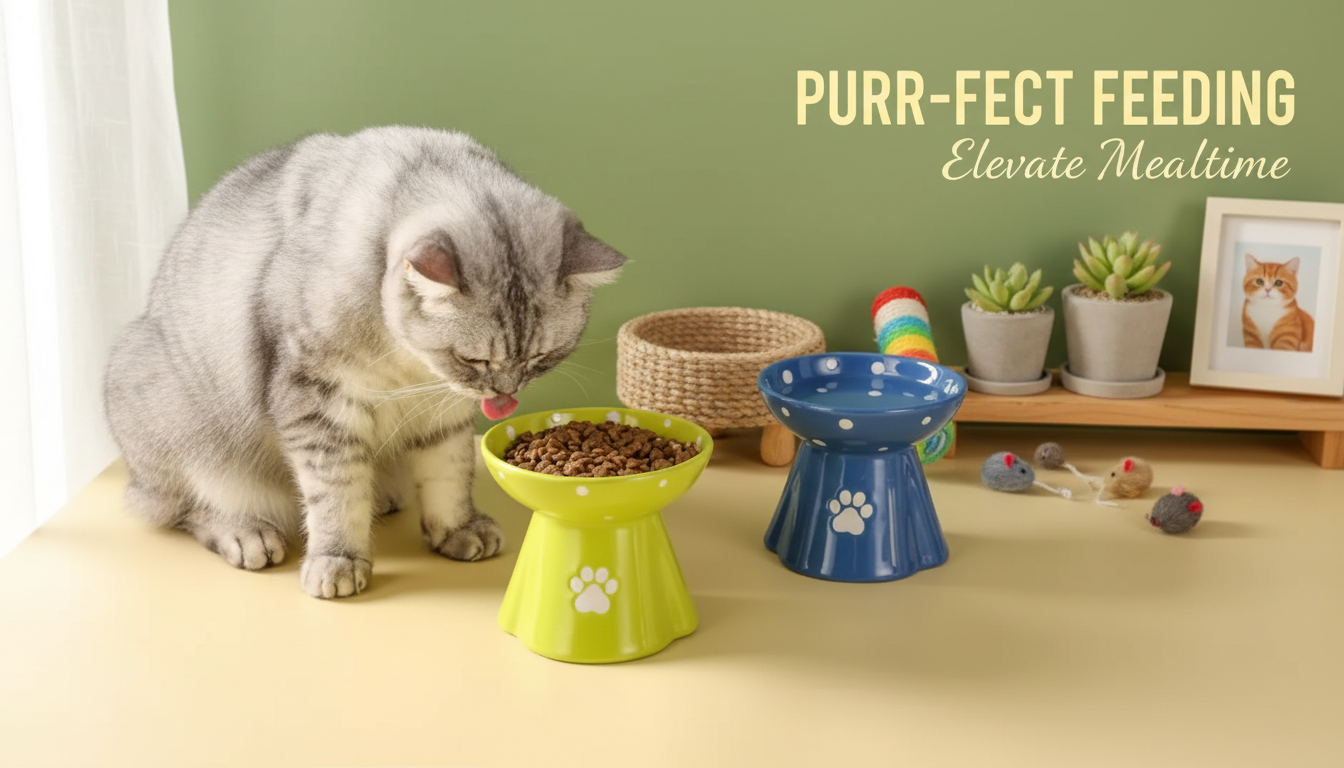
Ceramic Elevated Pet Bowl With Anti-Slip High Foot: A Cleaner, Comfier Mealtime for Cats and Dogs
A raised ceramic feeding dish can make everyday meals tidier and easier on a pet’s neck, especially for cats and small-to-medium dogs. The right bowl height, a stable footprint, and an easy-to-clean surface can turn feeding into a calmer routine—less sliding, fewer spills, and fewer crumbs tracked around the kitchen.
Below is a practical guide to how an elevated, anti-slip, high-foot bowl works in real homes—covering comfort, stability, cleanliness, sizing, and care—so meals feel smooth and predictable.
Why an elevated bowl changes the mealtime routine
Floor-level bowls work, but they can encourage a deep crouch—especially for cats—and they’re right where dust, hair, and tiny bits of debris settle. A modest elevation brings the rim closer to the pet’s natural head position, which can make eating feel less awkward and reduce the “neck dip” some pets do at every bite.
Elevation also changes how the bowl behaves on common flooring. When pets lick enthusiastically or nudge the rim, lightweight bowls can drift across tile or hardwood. A raised bowl with a stable base can reduce the “bowl chasing” habit and keep the feeding spot consistent, which is helpful for pets that eat quickly, paw at food, or push the dish while licking.
There’s also a day-to-day lifestyle benefit: elevated ceramic pieces often look more like a small home décor item than a standard plastic dish, making it easier to leave out without the space feeling cluttered.
Ceramic benefits for daily feeding
Ceramic is popular for routine feeding because it balances practicality with a clean, finished look. With an intact, non-porous glaze, residue wipes away more easily than it can from plastic bowls that develop scratches over time. That can mean fewer lingering odors after wet food and less “film” buildup if the bowl is washed frequently.
Ceramic also tends to be heavier than plastic, which helps keep the dish in place. That extra weight can support calmer eating and drinking, particularly for pets that bump bowls with their chest or reposition them while they eat. Ceramic works well for kibble, wet food, and water, and it pairs naturally with an elevated foot that keeps the rim above the mess zone where crumbs and splashes land.
Ceramic vs. other common bowl materials
| Material | Everyday strengths | Common tradeoffs |
|---|---|---|
| Ceramic (glazed) | Easy to clean; heavier; odor-resistant when intact | Can chip if dropped; check glaze condition regularly |
| Stainless steel | Very durable; lightweight; easy to sanitize | Can slide on smooth floors without a mat; may be noisy |
| Plastic | Lightweight; inexpensive; many shapes | Scratches can hold odors/bacteria; slides easily; may discolor |
For broader feeding and nutrition guidance, the American Veterinary Medical Association (AVMA) pet nutrition resources offer helpful owner-focused information, while the FDA’s pet food safety tips cover safe handling habits that pair well with a washable bowl.
Anti-slip and high-foot design: stability and mess control
Two design details matter most when the goal is fewer spills: grip and leverage. An anti-slip base helps prevent the bowl from creeping forward while a pet is licking, nudging, or “digging” at food. That’s especially valuable on smooth surfaces where even heavier bowls can drift if the floor is slightly dusty or the pet eats with enthusiasm.
A high-foot design adds another layer of stability. By elevating the bowl and giving it a broader, sturdier stance, it can be harder for pets to tip the dish or hook a paw under the rim. For cats that scrape at the bowl edge or dogs that bump their dish while turning, a steadier setup can mean fewer puddles, fewer kicked-out crumbs, and less cleanup around the feeding zone.
In multi-pet homes, stability can also help reduce small mealtime squabbles triggered when one pet’s sliding bowl drifts into another’s “space.” Keeping each dish anchored makes feeding positions more predictable.
Choosing the right height and bowl size
The best height is the one that lets a pet eat with a neutral head position—no deep hunching downward, and no straining upward. For many cats, mild elevation can support a more comfortable posture. For dogs, the right elevation depends on shoulder height and feeding style (lapper vs. gulper vs. careful nibbler).
Bowl shape matters, too. Cats that are sensitive to whisker contact often do better with a wider, shallower dish that reduces whisker brushing. For wet food, a shape that’s easy to scoop helps reduce leftover smears and encourages a more complete meal. For water, look for a stable stance so the bowl doesn’t creep as your pet drinks.
Quick fit check at home
| Check | Looks good when… | Adjust when… |
|---|---|---|
| Neck position | Head stays neutral; no deep crouch | Pet bends sharply downward or strains upward |
| Front legs | Stance looks relaxed and balanced | Pet shifts feet repeatedly or seems uneasy |
| Mess around bowl | Minimal splashing/crumb scatter | Frequent spills suggest height/shape mismatch or sliding base |
For cat-specific wellness topics that can affect feeding comfort, the Cornell Feline Health Center is a helpful, veterinary-backed reference.
Care, cleaning, and safe handling
A closer look at the featured ceramic elevated feeding dish
Product snapshot
| Item | Details |
|---|---|
| Name | Ceramic Elevated Cat and Dog Bowl Anti-Slip High Foot Pet Feeding Dish |
| Price | 53.72 USD |
| Availability | In stock |
| Product page | View details |
To round out a simple daily setup, pair your feeding station with comfort-focused pet essentials like the Cute Korean Dog Hoodie – Three Little Bears Fleece Pet Sweatshirt for cooler walks and drafty indoor spaces.
FAQ
Do vets recommend elevated cat bowls?
It depends on the cat and any underlying health needs. Some cats seem more comfortable with mild elevation, but for issues like reflux, arthritis, or other special feeding concerns, a veterinarian can recommend the best height and setup for your cat.










Leave a comment