



Maslow’s Hierarchy Today: Still Relevant at Work?
Is Maslow’s hierarchy still relevant?
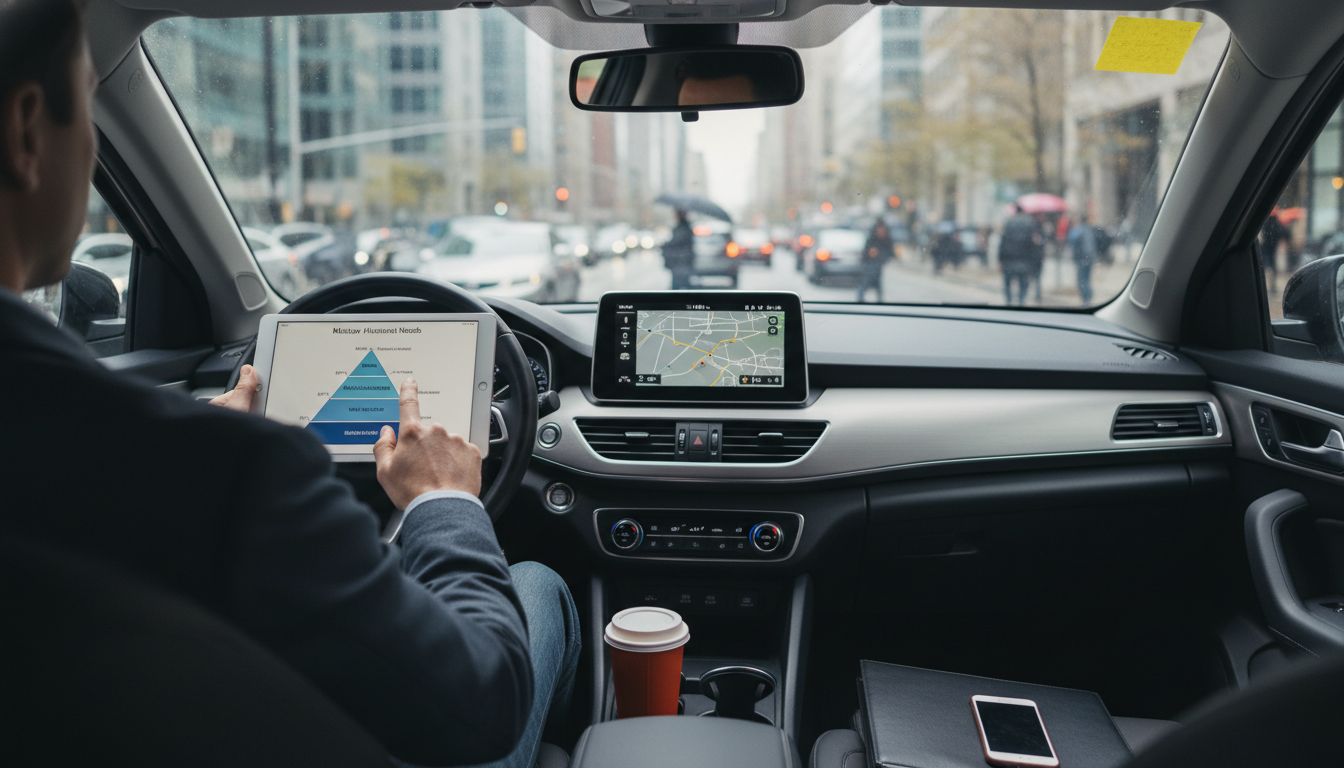
Yes—Maslow’s hierarchy is still relevant as a practical way to think about what drives people, especially at work. While modern research shows human needs don’t always rise in a neat, step-by-step ladder, the model remains useful because it organizes motivation into clear categories you can actually act on: basics, safety, belonging, esteem, and growth.
Why it still works in modern workplaces
Teams still struggle when foundational needs are shaky. If pay is unpredictable, schedules are chaotic, or the environment feels unsafe, motivation strategies like perks, recognition programs, or “purpose” messaging tend to fall flat. Maslow’s framework keeps leaders grounded: stabilize the basics first, then build upward with culture, appreciation, and development.
Where the model needs an update
Real life is messier than a pyramid. People can chase mastery and meaning while still dealing with insecurity, and different employees may prioritize different needs at the same time. Culture, personality, and life stage also influence what feels most motivating. That’s why the most effective use of Maslow today is as a diagnostic lens, not a rigid checklist.
How to apply it without oversimplifying
Start by listening for the need behind the complaint or request. “I’m burned out” may signal a safety issue (workload, boundaries), while “No one notices my work” points to esteem. Then choose a response that matches: clearer expectations, more control over schedules, better team rituals, or structured growth paths. For a practical way to translate Maslow’s needs into an employee motivation plan with measurable outcomes, see this guide on motivating employees with Maslow’s needs.
For Maslow’s Hierarchy Today: Still Relevant at Work?, the best answer depends on fit, material, care instructions, and how the product will be used day to day.
FAQ
What is the difference between intrinsic and extrinsic motivation?
Extrinsic motivation comes from external rewards or consequences like bonuses, promotions, or deadlines. Intrinsic motivation comes from internal satisfaction—enjoyment, mastery, autonomy, and purpose. Strong engagement usually blends both, with intrinsic drivers sustaining performance over time.













Leave a comment