



9L Touchless Sensor Trash Can: Metal, Odor-Blocking Lid
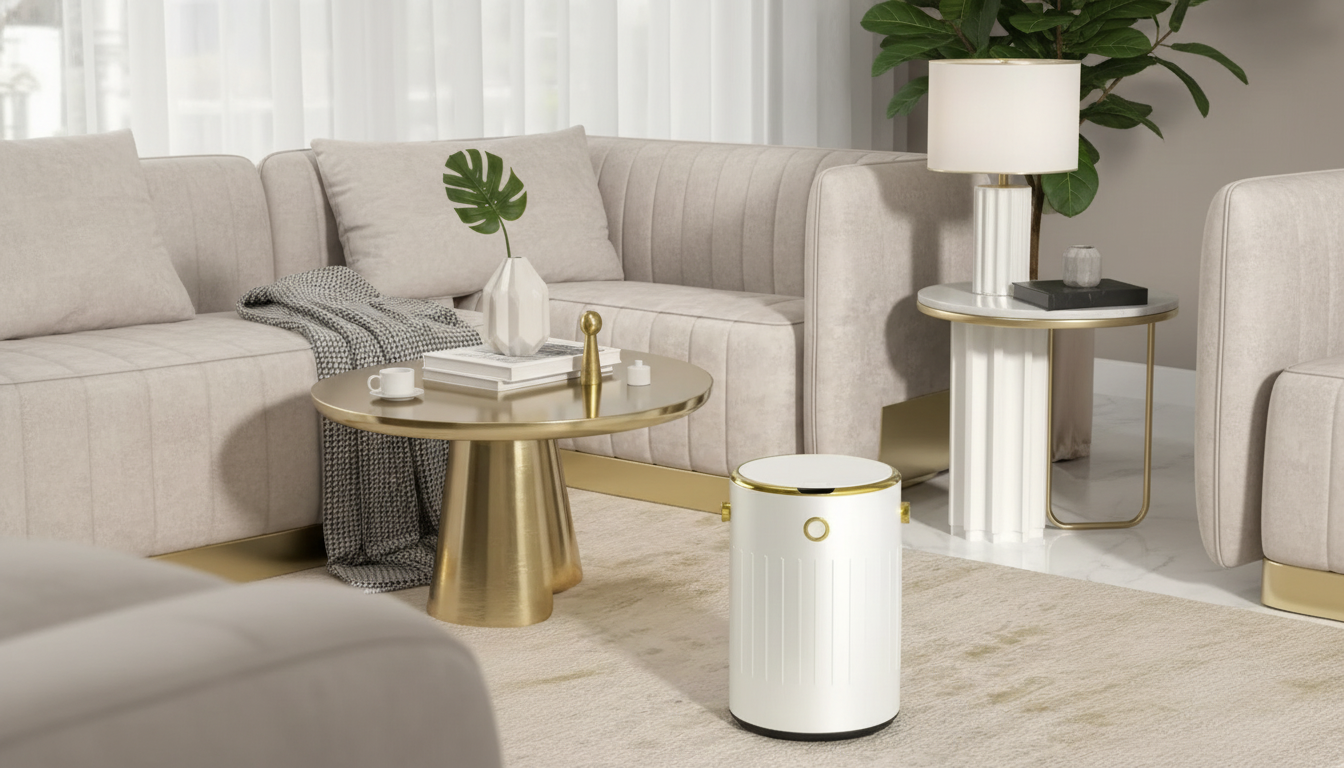
Automatic Sensor Smart Trash Can with Lid – 9L Metal Garbage Bin for Clean, Touch-Free Disposal
Touch-free trash disposal helps keep kitchens, bathrooms, and offices cleaner—especially when hands are full or messy. This 9L metal bin uses a motion sensor lid to reduce contact, contain odors, and streamline daily cleanup in small-to-medium spaces. For day-to-day routines like getting ready at the vanity, tossing tissues in a guest bath, or cleaning up after a quick meal, a compact automatic lid can make disposal feel easier, faster, and more sanitary.
Quick Overview: What It Is and Where It Fits Best
A 9-liter sensor trash can is designed for smaller rooms where a full-size kitchen bin feels bulky. It’s a practical upgrade from open-top cans because it keeps waste covered while cutting down on frequent lid touching.
- 9L capacity suited for bathrooms, bedrooms, home offices, nurseries, and small kitchens
- Automatic sensor lid helps reduce cross-contamination from frequent lid touching
- Metal body offers a more durable, tidy look than many plastic alternatives
- Works well beside sinks, vanities, desks, and entryway console tables
At-a-Glance Specs
| Feature | What to expect | Best for |
|---|---|---|
| Capacity | 9 liters | Small spaces; daily light-to-moderate waste |
| Lid operation | Automatic motion sensor | Hands-free use while cooking, cleaning, or grooming |
| Body material | Metal exterior | Modern look; easier wipe-downs |
| Typical placement | Floor or tucked beside furniture | Bathrooms, offices, apartments, dorms |
How the Sensor Lid Improves Everyday Hygiene
Trash can lids become high-touch surfaces fast—especially in shared bathrooms, busy kitchens, and family spaces. A motion sensor lid minimizes direct contact, which can support cleaner routines when you’re handling food packaging, personal care waste, or cleaning supplies.
- Reduces hand contact with high-touch surfaces during meal prep, diaper changes, or bathroom routines
- Helps keep the rim area cleaner by limiting repeated manual opening and slamming
- Useful when handling raw food packaging, cleaning wipes, or tissues
- Supports a more orderly space by encouraging quick, effortless disposal
Touch-free doesn’t replace proper handwashing, but it can reduce how often you need to touch a shared surface. For a refresher on effective habits, the CDC’s handwashing guidance is a helpful baseline for home routines.
Metal Build and Lid Design: Clean Look, Easier Wipe-Down
In visible areas—like next to the toilet, under a vanity, or beside a desk—appearance matters. A metal exterior tends to read “finished” and blends easily with modern fixtures, while also making quick wipe-downs simpler after splashes or smudges.
- Metal exterior tends to look more polished in visible areas like bathrooms and kitchens
- Wipeable surfaces help with quick maintenance—especially around sinks and vanity areas
- Lidded design helps reduce visual clutter and keeps waste out of sight
- A covered bin can help limit odor drift in small rooms when paired with regular bag changes
For best results, keep the lid seam and rim area clean—those are the spots that can collect residue from overfilled liners or damp waste. A simple routine of wiping the exterior and checking the rim during bag changes goes a long way.
Right-Size Capacity: Why 9L Works in Small Rooms
Capacity isn’t just about how much you can fit—it affects how tidy the room feels and how often odors can build up. A 9L bin strikes a comfortable balance for rooms that generate consistent but not heavy trash.
- Large enough for daily bathroom and office waste without dominating floor space
- Encourages more frequent bag changes, which can help manage odor in warm or humid areas
- Easy to position in tight corners or beside fixtures
- A practical option for apartments, guest bathrooms, and shared spaces
In a small kitchen, 9L can work well as a secondary “prep-side” bin for wrappers, paper towels, and quick tosses—while a larger main bin handles heavy cooking waste.
Placement Tips for Reliable Motion Detection
Motion-sensor trash cans are simple to use, but placement can make a big difference in whether the lid opens when you want—and stays closed when you don’t.
- Give the front of the bin a clear “line of sight” so the sensor isn’t blocked by cabinets or towels
- Avoid placing directly beside HVAC vents or in spots with constant movement that may trigger the lid
- In bathrooms, keep it slightly away from shower splash zones to reduce moisture exposure
- In kitchens, position near the prep zone but not so close that frequent pass-by movement triggers openings
Care, Cleaning, and Odor Control Habits
For anything that’s hazardous or shouldn’t go in regular household trash (like certain chemicals, batteries, or sharp items), follow local guidance. The EPA’s household hazardous waste basics can help you identify safer disposal pathways.
Who It’s Best For (and When to Size Up)
Product Option
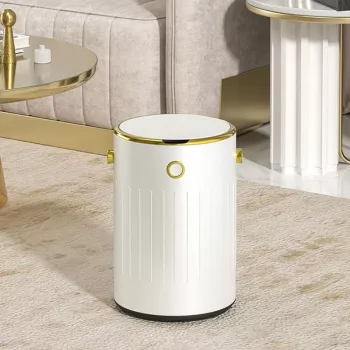
- Automatic Sensor Smart Trash Can with Lid – 9L Metal Garbage Bin: a compact, touch-free bin for tidy, modern rooms
FAQ
How sensitive should the motion sensor be for everyday use?
A moderate sensitivity is usually best because it reduces accidental triggers while still opening quickly when you approach. If the lid opens too often, adjust placement farther from walkways and keep the sensor area unobstructed.
Can a 9L trash can work in a small kitchen?
Yes—especially for light waste or as a secondary bin near a prep area. For frequent cooking or a larger household, pair it with a bigger main kitchen bin to avoid constant bag changes.
How can odors be minimized in a lidded trash can?
Change bags more often when tossing wet waste or food-related trash, and wipe the rim and lid area during swaps. Adding a small baking soda sachet or activated charcoal deodorizer nearby can help absorb lingering smells.












Leave a comment