



Rechargeable Blenders: Worth It for Smoothies on the Go?
Are rechargeable blenders worth buying?
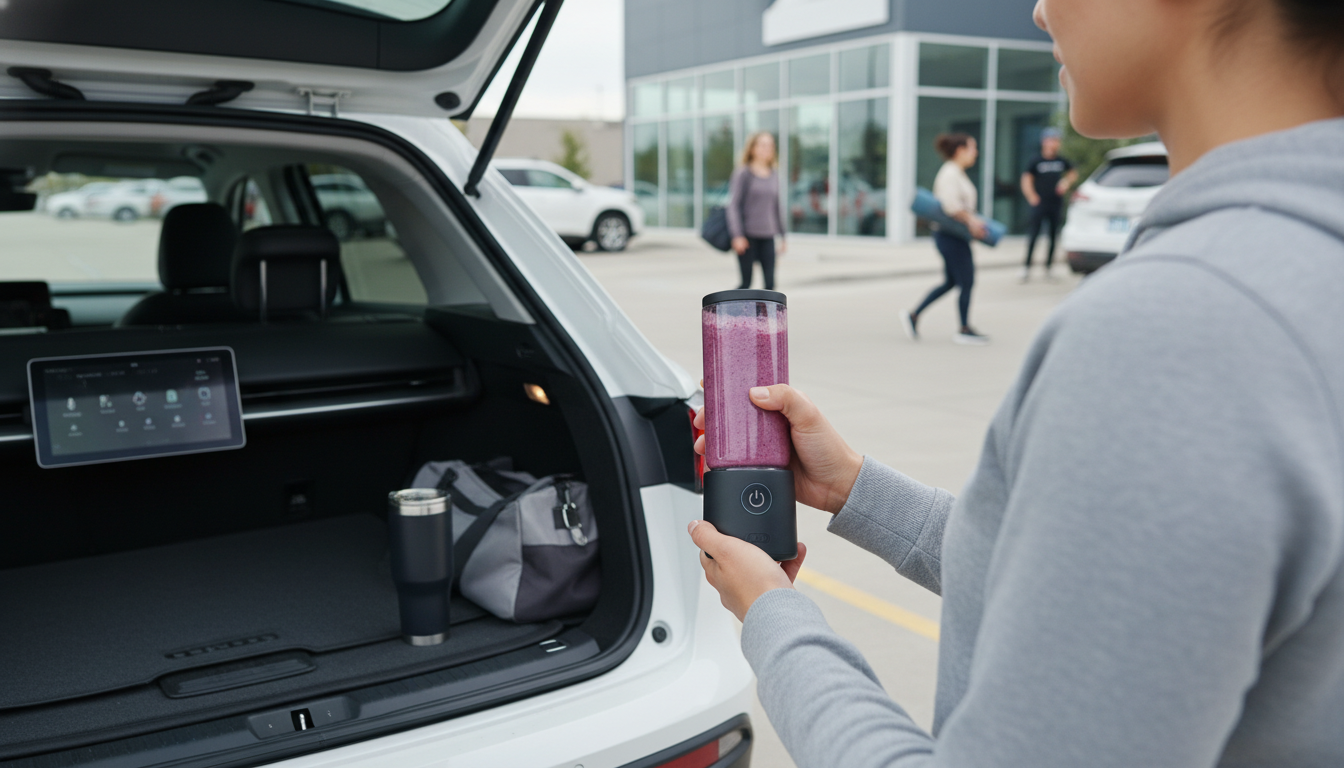
Rechargeable blenders can be worth buying if the priority is quick, single-serve blending without being tied to an outlet. They shine for smoothies on the go, protein shakes at the gym, baby food in a pinch, and small kitchen setups where counter space is limited. For many everyday users, the convenience alone justifies the cost—especially if the blender gets used often.
That said, they’re not a full replacement for a high-powered countertop blender. Most rechargeable models handle soft fruits, yogurt, and ice in small amounts, but they can struggle with frozen chunks, tough greens, thick nut butters, or large batches. If the goal is daily heavy-duty blending, a plug-in unit is usually a better long-term fit.
What makes them a good buy
Portability: USB charging and cordless use make it easy to blend at work, in the car (parked), on trips, or outdoors.
Fast cleanup: Many are designed for rinse-and-go cleaning, and some can “self-clean” with water and a drop of soap.
Right-sized for single servings: If most blends are 8–16 oz, a rechargeable blender is often more practical than hauling out a big appliance.
When they may not be worth it
Power limits: Smaller motors and batteries mean less torque for dense ingredients.
Battery care: Performance can dip if the battery isn’t kept charged, and batteries wear over time.
Capacity constraints: If making smoothies for a family or meal-prepping, you’ll likely want a larger jar and more wattage.
How to decide quickly
If most blends are simple (banana, berries, protein powder, milk), a rechargeable blender is a solid purchase. If blending is a daily “appliance workhorse” task (frozen-heavy recipes, soups, sauces, nut butters), put that money toward a stronger countertop blender instead.
For a deeper look at features like battery life, blade design, cup size, and safety tips, see the full guide: portable USB rechargeable blender guide.
FAQ
How long do portable rechargeable blenders typically last on a charge?
Many run for several blending cycles per charge, depending on battery size and how thick the ingredients are. Cold, dense blends and lots of ice usually reduce the number of uses before recharging.













Leave a comment