



Pet‑Proof Your Home: Daily Safety Sweep + Emergency Kit
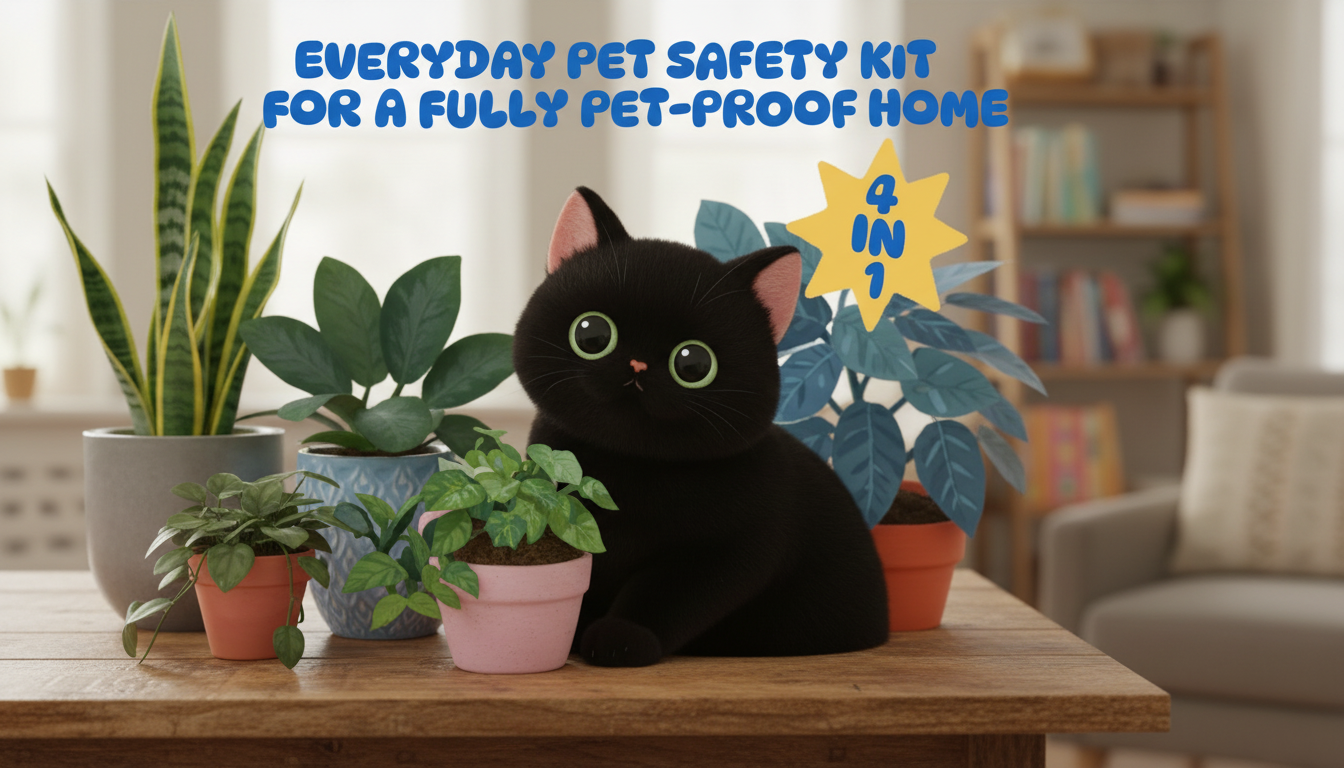
Everyday Pet Safety Kit: A Practical Plan for a Fully Pet‑Proof Home (Guides, eBook, and Checklist Bundle)
A pet‑proof home is built from small, repeatable habits: spotting hazards, securing spaces, and knowing what to do when something goes wrong. This kit-style approach combines room-by-room prevention, everyday routines, and a clear emergency plan—so curious cats, chewers, climbers, and counter-surfing dogs can explore more safely without turning the house into a fortress.
What “pet‑proof” really means day to day
Pet‑proofing isn’t a one-time project or a promise that nothing will ever happen. In real life, it’s a system that reduces common risks and keeps your default environment safer—even when you’re tired, distracted, or hosting company.
- Reduce access to common hazards rather than trying to eliminate all risk.
- Create safe defaults: closed lids, secured cords, latched cabinets, stable furniture, and blocked gaps.
- Use zones: pet-safe rooms, supervised rooms, and off-limits areas.
- Plan for species and life stage differences (puppies vs. seniors, kittens vs. adult cats).
- Pair prevention with readiness: know the nearest emergency vet, keep key numbers handy, and maintain a simple home safety checklist.
Room‑by‑room safety sweep (the fastest way to find hidden risks)
A fast sweep works because it’s concrete: one room, one pass, obvious fixes. Start where pets spend the most time, then expand.
Kitchen
- Lock trash; store food, xylitol products, and medications up high.
- Keep dish soap pods and cleaners in latched cabinets.
- Block access to hot stovetops and open ovens.
Living areas
- Secure cords; anchor top-heavy furniture.
- Remove small swallowable items (kids’ toys, batteries, coins).
- Choose stable plants and place decor out of reach.
Bathroom/laundry
- Keep lids down; store detergents and personal care items securely.
- Block access to razors and floss.
- Close washer/dryer doors to prevent hiding incidents.
Bedroom/office
- Manage charging cables; store supplements safely.
- Prevent chewing on earbuds and pen caps.
- Keep craft supplies (glue, thread, needles) in containers.
Garage/outdoors
- Lock antifreeze, fertilizers, and pesticides.
- Keep tools and sharp objects contained.
- Confirm fencing integrity and gate latches.
Quick home safety sweep checklist
| Area | Common hazard | Simple fix | Frequency to re-check |
|---|---|---|---|
| Kitchen | Trash and food scraps | Lidded can or cabinet pull-out; clear counters | Weekly |
| Living room | Loose cords and small batteries | Cord covers + battery lockbox | Monthly |
| Bathroom | Toilet water and meds | Toilet locks + latched cabinet organizer | Weekly |
| Laundry | Detergent pods and dryer sheets | High shelf + childproof latch | Weekly |
| Bedroom/office | Charging cables and craft items | Cable management box + sealed supply bins | Monthly |
| Garage/outdoors | Antifreeze, pesticides, sharp tools | Locked storage + inventory label | Seasonal |
High‑risk items to secure immediately
If you only have time for a few upgrades today, prioritize items that cause the most urgent emergencies or the most expensive vet visits. Many of these are “small and sneaky”—easy to miss until a pet has already found them.
- Medications and supplements (including vitamins, pain relievers, and chewable gummies).
- Human foods that can trigger emergencies (sweeteners like xylitol, chocolate, grapes/raisins, alcohol).
- Household chemicals: cleaners, detergents, antifreeze, rodenticides, and insecticides.
- Small objects: button batteries, magnets, hair ties, sewing supplies, earplugs, and children’s building pieces.
- Cords, strings, and ribbons—especially in homes with cats and puppies.
- Trash and compost: bones, skewers, coffee grounds, and food packaging.
For toxin concerns and next steps, reliable resources include ASPCA Animal Poison Control and the FDA’s guidance on xylitol and dogs.
Daily and weekly routines that prevent most accidents
The goal is to make safety feel automatic. A few short “resets” can prevent the common scenario where a pet gets into something during a busy moment—right after groceries, during homework, or when guests arrive.
- Reset surfaces: clear counters, coffee tables, and nightstands of food, meds, and small items.
- Two-minute floor scan in high-traffic zones for dropped pills, wrappers, and toys.
- Trash check: confirm lid closed; take out food-heavy waste before bedtime.
- Toy rotation: keep only a few toys out; store the rest to reduce clutter and choking risks.
- Cord check: replace damaged cables and adjust placement if chewing starts.
- Behavior cues: address scavenging, counter surfing, and “grab-and-run” habits with management plus training.
Emergency readiness: what to prepare before you need it
Using a bundled guide + checklist system to stay consistent
Everyday Pet Safety Kit for a Fully Pet‑Proof Home (4‑in‑1 bundle)
If you want a ready-to-follow structure you can repeat, the Everyday Pet Safety Kit for a Fully Pet‑Proof Home – 4‑in‑1 Bundle of Guides, eBook, and Checklist is designed to turn pet‑proofing into a routine rather than a stressful weekend overhaul. It’s especially helpful for new pet parents, multi‑pet households, and anyone who wants a clearer plan for prevention and preparedness.
For homes where “grab-and-run” chewing, counter surfing, or impulse snatching is part of the challenge, pairing safety management with training can tighten the whole system. Consider the Step‑by‑Step Puppy Training Toolkit: A Beginner’s Guide to Dog Training + eBooks & Checklists to support the behavior side of prevention.
FAQ
How long does it take to pet‑proof a home?
A first sweep of the key rooms often takes about 30–60 minutes, then a few short sessions to improve storage, add latches, and manage cords. Weekly mini-checks keep it maintained so you’re not starting over each time.
What are the most common household dangers for dogs and cats?
The most frequent risks include medications/supplements, toxic foods (including xylitol), household chemicals (cleaners and antifreeze), small swallowable objects (button batteries and magnets), cords/strings, and trash/compost with bones or skewers.
Should vomiting be induced if a pet eats something unsafe?
No—don’t induce vomiting unless a veterinarian specifically instructs you to, because it can be dangerous with certain toxins, sharp objects, or caustic substances. Call your vet or an animal poison control resource immediately for the safest next step.












Leave a comment