



5-Minute Sun-Ready Routine: Daily UV Protection Tips
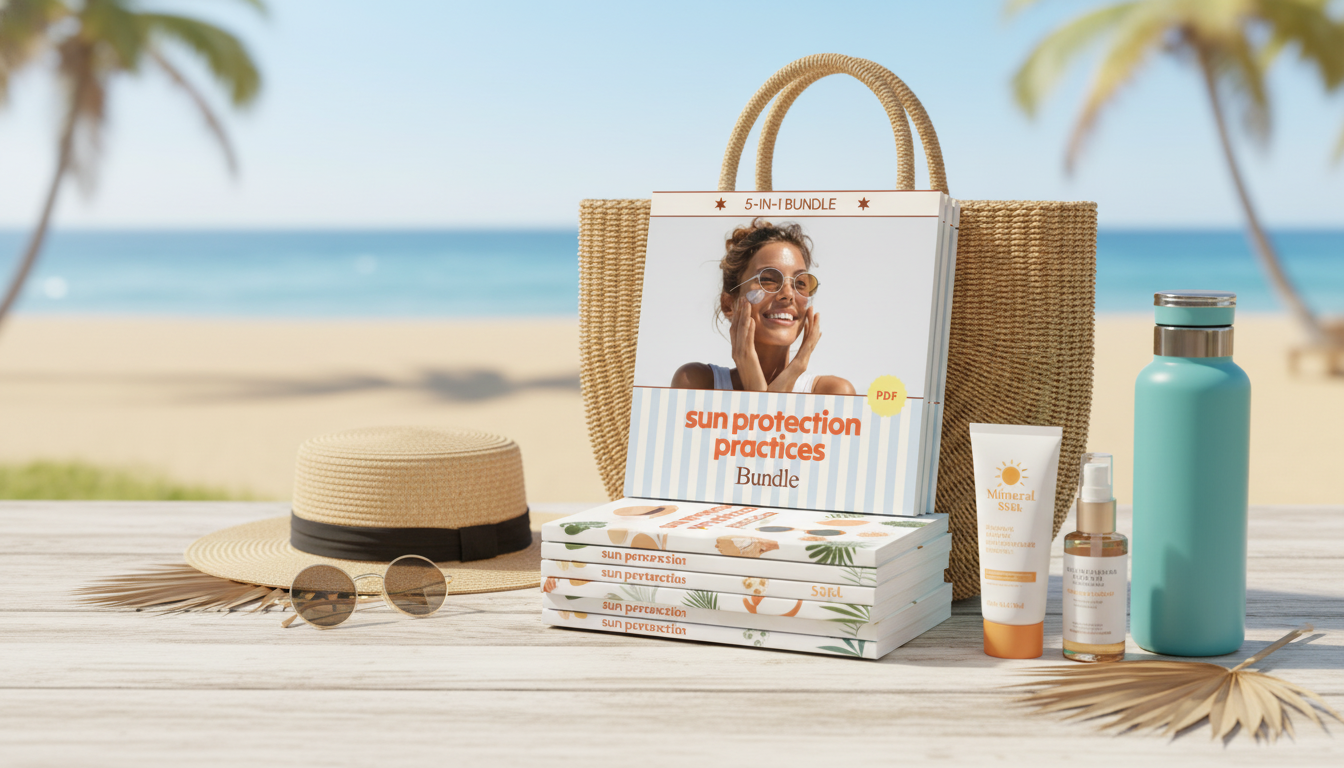
Smart Sun Protection Practices Bundle: Simple Habits for Everyday UV Safety
Sun protection works best when it’s a repeatable routine—something that fits real life, not a “special occasion” plan. Whether you’re commuting, sitting by a sunny window, training outdoors, traveling, or managing kids’ activities, small consistent habits add up. The goal is comfortable, realistic coverage you’ll actually do every day.
Why sun protection is a daily habit (not just a summer thing)
UV exposure isn’t limited to beach days. UVA rays can penetrate clouds and glass, which means incidental exposure can happen during errands, driving, and even time spent near windows. Over time, that cumulative dose can contribute to visible skin aging and uneven tone.
UVB intensity is more variable—it tends to climb with season and midday sun, and it can spike around reflective surfaces like water, sand, snow, and even bright concrete. Sunburn is also a clear warning sign that the skin has been damaged, and long-term UV exposure increases skin cancer risk. More than chasing a “perfect” product lineup, consistency is what changes outcomes: a routine that happens daily beats an ideal plan that only happens sometimes.
Build a “sun-ready” routine in 5 minutes
Think of this as a quick pre-departure checklist you can run through without overthinking:
- Do a morning check: How long will you be outside? What’s the location, altitude, and will you be around reflective surfaces?
- Apply broad-spectrum sunscreen to exposed skin as your last step before leaving (or before makeup). Don’t skip common miss-spots: ears, back of neck, scalp part, tops of feet, backs of hands, and along clothing edges.
- Pair sunscreen with physical barriers: brimmed hat, UV-blocking sunglasses, and tightly woven clothing. For long days outdoors, lean more on clothing and shade instead of relying on sunscreen alone.
- Set a reapplication trigger: every 2 hours when outdoors, and after swimming, heavy sweating, or towel-drying—don’t wait for redness.
- Keep a small “sun kit” by the door or in your bag: travel sunscreen, lip balm with SPF, sunglasses, hat, and a lightweight cover-up.
Quick routine checklist by scenario
| Scenario | Best default plan | Reapply trigger |
|---|---|---|
| Commute + windows | Sunscreen on face/neck/hands; sunglasses | If outdoor lunch/walk exceeds 2 hours total |
| Outdoor workout | Water-resistant sunscreen; cap; UPF shirt | Every 2 hours + after heavy sweating |
| Beach/pool | Water-resistant sunscreen; rash guard; shade breaks | After swimming + every 2 hours |
| Hiking/altitude | Higher coverage clothing; sunscreen; lip SPF | Every 2 hours; more often with sweat |
| Snow/water sports | Sunscreen + goggles/sunglasses; face coverage | Every 2 hours; reflectivity increases exposure |
Getting sunscreen right: amount, coverage, and comfort
Sunscreen only performs as well as it’s applied. Under-application is one of the most common reasons real-world protection falls short, so use a generous amount and cover all exposed areas evenly.
- Choose broad-spectrum to cover UVA + UVB. For sports or water, pick a water-resistant formula.
- Match texture to your day: lotions for body coverage, fluid/gel for oily skin, richer creams for dry skin. Tinted options can be helpful for those concerned about visible light-related darkening.
- Layering with makeup: let sunscreen set before makeup. For reapplication over makeup, sticks or powders can be more practical; for sprays, apply generously and avoid inhalation.
- Sensitive skin: patch test new products; fragrance-free or mineral options can be easier to tolerate for some people.
- Storage matters: replace expired sunscreen and avoid leaving it in hot cars, where heat can degrade performance.
For additional guidance on everyday sunscreen use, refer to the American Academy of Dermatology Association’s sunscreen FAQs.
Smarter coverage: clothing, shade, and timing
Sunscreen is important, but it’s strongest as part of a “coverage system” that also includes clothing, shade, and smarter scheduling.
Checking the daily UV forecast can make planning easier; the EPA UV Index guide explains what the numbers mean and when extra precautions are smart.
Special situations: kids, acne-prone skin, and outdoor jobs
The CDC’s sun safety overview includes practical reminders for daily and occupational exposure.
Make it stick: reminders, packing lists, and habit triggers
What’s included in the Smart Sun Protection Practices Bundle (5 digital guides)
If a consistent routine feels harder than it should, a checklist-based system can make it automatic. The Smart Sun Protection Practices Bundle | Sun Protection Tips 5-in-1 Digital Guides is designed to turn sun protection into everyday habits with clear steps you can reuse across scenarios.
For days when you want a streamlined beauty routine that layers well over sun protection, pair it with Low-Effort Makeup Secrets Pack | Simple Makeup Ideas 4-in-1 Digital Beauty Bundle.
FAQ
How often should sunscreen be reapplied?
Reapply every 2 hours when you’re outdoors, and reapply right after swimming, sweating heavily, or towel-drying. Stronger sun, reflective surfaces, and long exposure can make timely reapplication even more important.
Is sunscreen still needed on cloudy days or indoors near windows?
Yes. UVA can penetrate clouds and glass, so protection can still matter on overcast days and when you spend significant time near bright windows or in direct indoor sun.
What’s the difference between broad-spectrum and SPF?
SPF is primarily a measure of UVB protection (the rays most associated with sunburn), while broad-spectrum means the product protects against both UVA and UVB. For daily use, choose a broad-spectrum sunscreen with an appropriate SPF and apply enough to fully cover exposed skin.












Leave a comment