



10-in-1 Pet Care Bundle for Routines, Safety & Records

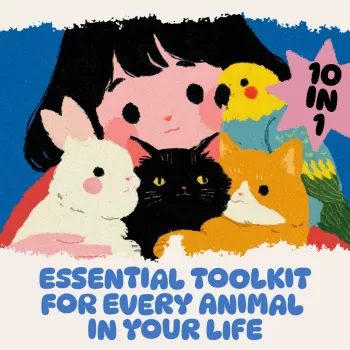
Essential Toolkit for Every Animal in Your Life: 10-in-1 Pet Care Bundle
Caring for multiple animals (or even one with changing needs) gets easier with clear routines, reliable references, and ready-to-use checklists. This 10-in-1 digital bundle organizes daily care, safety planning, and common scenarios into practical guides and printable trackers—so feeding, grooming, enrichment, and vet-ready records stay consistent even on busy weeks.
If you want a single, repeatable system you can share with family members, pet sitters, or a boarding facility, the Essential Toolkit for Every Animal in Your Life – 10-in-1 Bundle of Guides, eBooks, and Checklists for Pet Care is built to function like a home “care hub” you can revisit year-round.
What’s Inside the 10-in-1 Toolkit
- A library-style bundle of guides, eBooks, and checklists designed to be used together or one at a time
- Quick-reference pages for recurring tasks like feeding schedules, grooming routines, and home safety checks
- Trackers to document habits, supplies, and notes that are easy to share with family members, pet sitters, or boarding facilities
- Materials intended to support everyday care organization alongside professional veterinary advice
How the toolkit pieces fit into real-life routines
| Toolkit element | Best used for | When to revisit |
|---|---|---|
| Daily/weekly checklists | Keeping feeding, water, litter/cleanup, walks, and enrichment consistent | Daily and weekly |
| Care guides (how-to) | Step-by-step reminders for grooming, handling, and home setup | At setup, then seasonally |
| Health & notes trackers | Recording appetite, stool changes, energy levels, and questions for the vet | As needed; before appointments |
| Supply and restock lists | Avoiding last-minute runs out of food, litter, meds, or preventives | Monthly |
| Emergency planning pages | Preparing contacts, transport plans, and go-bag contents | Every 6–12 months |
Who This Bundle Helps Most
- Multi-pet households needing a single system for routines and responsibilities
- New pet parents building dependable habits without relying on memory alone
- Busy caregivers who want a quick way to check what’s done (and what’s not)
- Pet sitters, fosters, and family members who step in and need clear instructions
- Caregivers coordinating multiple animals with different feeding, medication, or enrichment needs
Set Up a Simple Pet-Care System in 30 Minutes
- Pick one place for records: a printed binder, a shared folder, or a refrigerator clip-board for daily checklists.
- Start with the minimum viable routine: food/water, potty/litter, movement, and a short enrichment activity.
- Create a weekly reset: refill supplies, wash bowls, clean bedding, and review upcoming appointments.
- Keep a dedicated “vet notes” page: questions, recent changes, current foods/treats, and medications/supplements.
- Assign roles in multi-person homes: one person restocks, another tracks grooming, another schedules preventive care.
For homes with a new puppy, pairing routine checklists with a focused training plan can reduce overwhelm early on. A structured companion option is the Step-by-Step Puppy Training Toolkit: A Beginner’s Guide to Dog Training + eBooks & Checklists.
Daily Care Basics the Toolkit Can Keep Consistent
- Nutrition: measured portions, consistent timing, and treat boundaries to prevent accidental overfeeding.
- Hydration: fresh water availability and bowl hygiene (especially important in warm weather).
- Movement and mental stimulation: short, frequent enrichment beats occasional long sessions for many pets.
- Grooming and hygiene: brushing, nail checks, and ear/teeth routines based on species and coat type.
- Environment checks: safe storage of foods, medications, plants, cords, and small swallowable objects.
For general pet-care guidance you can cross-check against your own routine, reputable references include AVMA pet care resources and ASPCA pet care guidance.
Health, Safety, and Vet-Ready Records
- Log small changes early: appetite shifts, itching, limping, coughing, litter box changes, or behavior differences.
- Maintain a medication and preventive care list: product names, doses, dates given, and refill reminders.
- Prepare an emergency contact sheet: primary vet, emergency clinic, poison control, and a backup caregiver.
- Build a transport plan: carrier readiness, leash/harness checks, and a go-bag with essentials.
- Use notes to support (not replace) professional care: seek veterinary guidance for persistent or severe symptoms.
A good record isn’t just “what happened,” but also “what changed” (new treat, new detergent, schedule shift, guests, weather). That context helps a vet spot patterns faster and can prevent repeating an avoidable trigger.
Training, Behavior, and Enrichment That Fits Real Schedules
Make It Work for Multiple Species and Different Life Stages
Common Mistakes This Toolkit Helps Avoid
Bundle Details and Access
- Product: Essential Toolkit for Every Animal in Your Life – 10-in-1 Bundle of Guides, eBooks, and Checklists for Pet Care
- Format: digital guides and checklists suitable for printing or on-screen use
- Best practice: print the daily/weekly pages, keep the deeper guides saved for quick reference
- Helpful add-on: pair structured care planning with focused dog training resources when starting with a new puppy, such as the Step-by-Step Puppy Training Toolkit: A Beginner’s Guide to Dog Training + eBooks & Checklists
FAQ
Is this bundle suitable for both new and experienced pet owners?
Yes. Beginners can follow the ready-made routines and checklists to build habits quickly, while experienced caregivers can use the trackers for consistency, record-keeping, and easier delegation. It’s designed to support day-to-day organization alongside (not in place of) veterinary guidance.
Can the checklists be used for multiple pets and different species?
Yes—use one set of pages per animal, label them clearly, and keep separate feeding and medication logs to avoid mix-ups. You can also tailor the routine by life stage (young, adult, senior) and species-specific needs while keeping the same overall system.
What should be included in a basic pet emergency plan?
Include emergency contacts (primary vet, emergency clinic, and poison control), carrier/leash readiness, and a go-bag with essentials such as food, water, bowls, and basic supplies. Add a current medication list plus vaccination/medical notes, and identify a backup caregiver who can step in if you’re unavailable.












Leave a comment