



3-in-1 Dog Training Plan: Puppy Play, Teen Focus, Calm
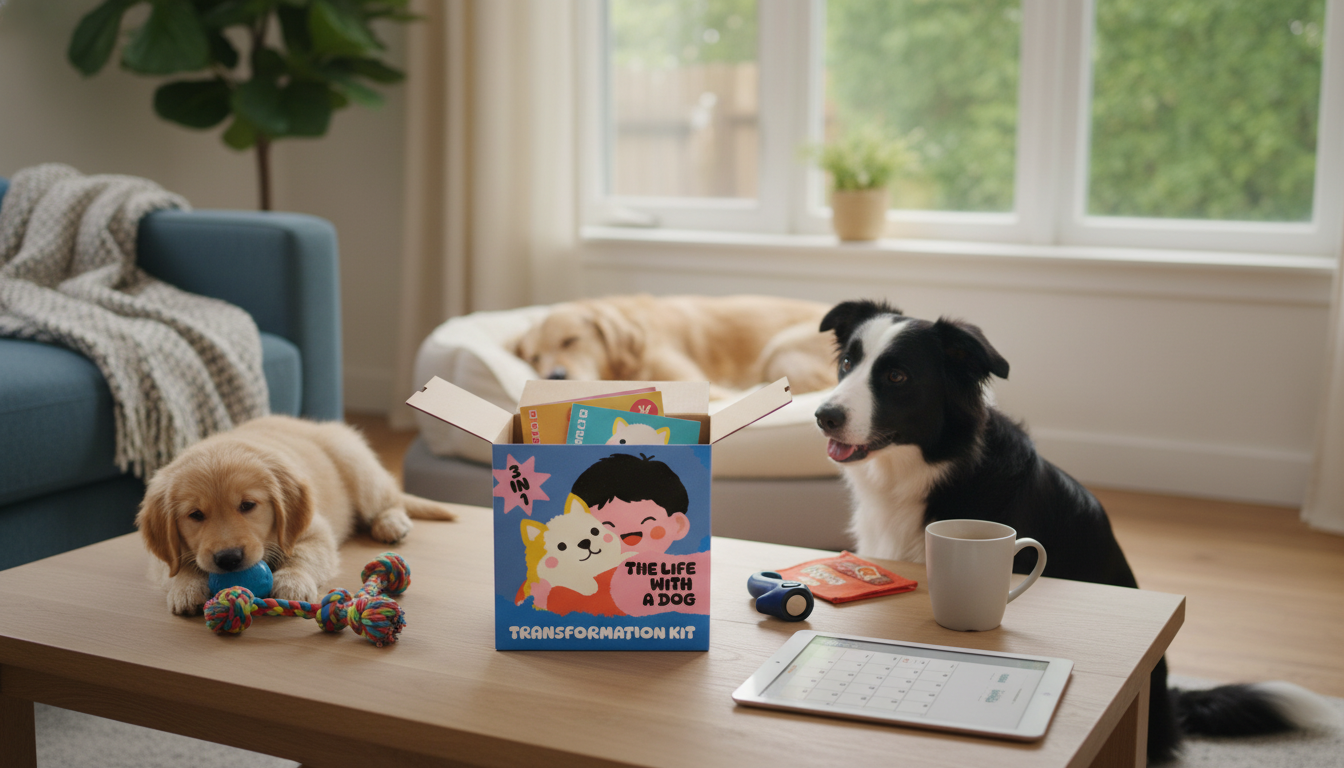
Meet the 3-in-1 approach: puppy playfulness, adolescent focus, adult calm
A dog’s “best self” usually comes from three things working together: training that makes sense, a daily rhythm the dog can predict, and enrichment that matches the life stage you’re in right now. The The Life with a Dog Transformation Kit: Puppy Playfulness, Adult Calm & More – 3-in-1 Bundle is built around that idea—channeling puppy energy into useful habits, shaping adolescent impulse control, and reinforcing calm adult behavior with routines you can repeat even on busy days.
What the 3-in-1 bundle is designed to change
- Replaces guesswork with clear, stage-based routines that fit real schedules.
- Turns playful puppy behavior into training opportunities instead of daily battles.
- Builds calm skills (settling, waiting, polite greetings) without relying on harsh corrections.
- Creates consistency across household members with simple steps and checklists.
Rather than treating “calm” as something that happens only after a dog is exhausted, the transformation model treats calm as a trainable skill—rewarded, practiced, and made easy through the environment you set up.
Who it fits best (and when to start)
- New puppy owners who want a plan for house manners, bite inhibition, and socialization foundations.
- Owners of adolescents needing more structure, impulse control, and reliable cues around distractions.
- Adult dogs that are “good but busy,” where calm behaviors and enrichment prevent nuisance habits.
- Multi-dog households that benefit from predictable routines and individual attention blocks.
Starting early helps, but it’s never “too late” to improve daily behavior. Even adult dogs often calm down faster when the household adds predictable reinforcement for settling and introduces enrichment that prevents boredom-based habits.
How the transformation approach works: play → focus → calm
- Play as reinforcement: using toys, food, and movement to reward the behaviors that matter most.
- Micro-sessions: short training blocks (1–5 minutes) repeated throughout the day for faster learning.
- Environmental management: setting up the home to prevent rehearsal of unwanted behaviors.
- Calm as a trained skill: rewarding settling, mat work, and quiet choices—not just “tiring the dog out.”
- Progression by difficulty: increasing distractions, duration, and distance only after success.
Behavior progression map
| Stage | Primary goal | Daily focus | Common pitfall to avoid |
|---|---|---|---|
| Puppy (8–16+ weeks) | Build trust and basic manners | Potty rhythm, name response, gentle mouth, short social exposure | Too much freedom too soon |
| Adolescent | Impulse control and reliability | Leash skills, recall games, polite greetings, enrichment outlets | Expecting “grown-up” patience |
| Adult | Stable calm and maintenance | Settle on cue, downtime routines, continued practice around triggers | Stopping practice once things improve |
What’s typically included in a stage-based dog bundle
- Step-by-step lessons that build on each other rather than random tips.
- Printable or digital checklists for daily habits and weekly goals.
- Troubleshooting guides for common issues (jumping, mouthing, pulling, barking).
- Enrichment ideas that don’t require expensive gear or long prep time.
- Tracking sheets to spot patterns (sleep, exercise, training minutes, trigger notes).
If you’re starting from scratch with a new puppy and want an even more “foundations-first” option, pair the bundle with the Step-by-Step Puppy Training Toolkit: A Beginner’s Guide to Dog Training + eBooks & Checklists to reinforce early habits like name response, handling, and polite play.
Daily routine examples that support calm behavior
Calm dogs often come from calm patterns. The goal isn’t a rigid schedule—it’s a repeatable flow the dog can learn.
- Morning: quick potty + short sniff walk + 2 minutes of cue practice.
- Midday: enrichment (food puzzle, scatter feeding, sniff game) + short rest period.
- Evening: structured play with rules (start/stop cues) + settle training on a mat.
- Before bed: calm decompression (low-arousal chew, quiet time) instead of intense play.
For many households, the biggest change is adding “intentional rest” to the day. Rewarding a dog for doing nothing—lying down, breathing evenly, choosing a toy quietly—builds a default off-switch you can take anywhere.
Common challenges the bundle can help troubleshoot
- Mouthing and nipping: redirection plans, reinforcing gentle mouth, appropriate chew schedules.
- Jumping on guests: management setups, alternative behaviors, reward timing.
- Leash pulling: choosing the right difficulty level, reinforcing check-ins, preventing “dragging practice.”
- Barking and overexcitement: identifying triggers, adding predictable calm cues, increasing downtime skills.
- Regression phases: how to adjust expectations during teething, fear periods, and adolescence.
These problems often stick around when the dog gets frequent “practice” doing the unwanted thing—jumping works because attention happens, pulling works because the walk continues, barking works because the trigger moves away. Management plus reinforcement flips that pattern.
Getting started: a simple 7-day setup plan
For additional guidance on early social experiences and humane training principles, see the American Veterinary Society of Animal Behavior (AVSAB) position statements and the AKC puppy socialization overview.
Recommended products (in stock)
- The Life with a Dog Transformation Kit: Puppy Playfulness, Adult Calm & More – 3-in-1 Bundle (3-in-1 stage-based plan for play, focus, and calm)
- Step-by-Step Puppy Training Toolkit: A Beginner’s Guide to Dog Training + eBooks & Checklists (extra structure for puppy foundations and household routines)
FAQ
Is this suitable for a puppy and an adult dog in the same home?
Yes. Use shared household rules (access, greeting rules, rest times) while giving each dog their own short training turns and enrichment. Rotating micro-sessions and providing separate settle spots helps both dogs succeed without competing for attention.
How long does it take to see a calmer dog?
Many households notice small wins in a few days—better routine flow, fewer “oops” moments, and more predictable rest. Bigger behavior change usually builds over weeks with consistency, smart management, and frequent reinforcement for calm, and adolescence can temporarily slow progress.
Does this replace working with a professional trainer?
It can provide a structured plan for most families and common behavior challenges. For aggression, severe anxiety, or any safety concern, working with a qualified force-free trainer or behavior professional is the safest next step.










Leave a comment