



Slow Motion Photo Booth Guide: How It Works + Best Uses
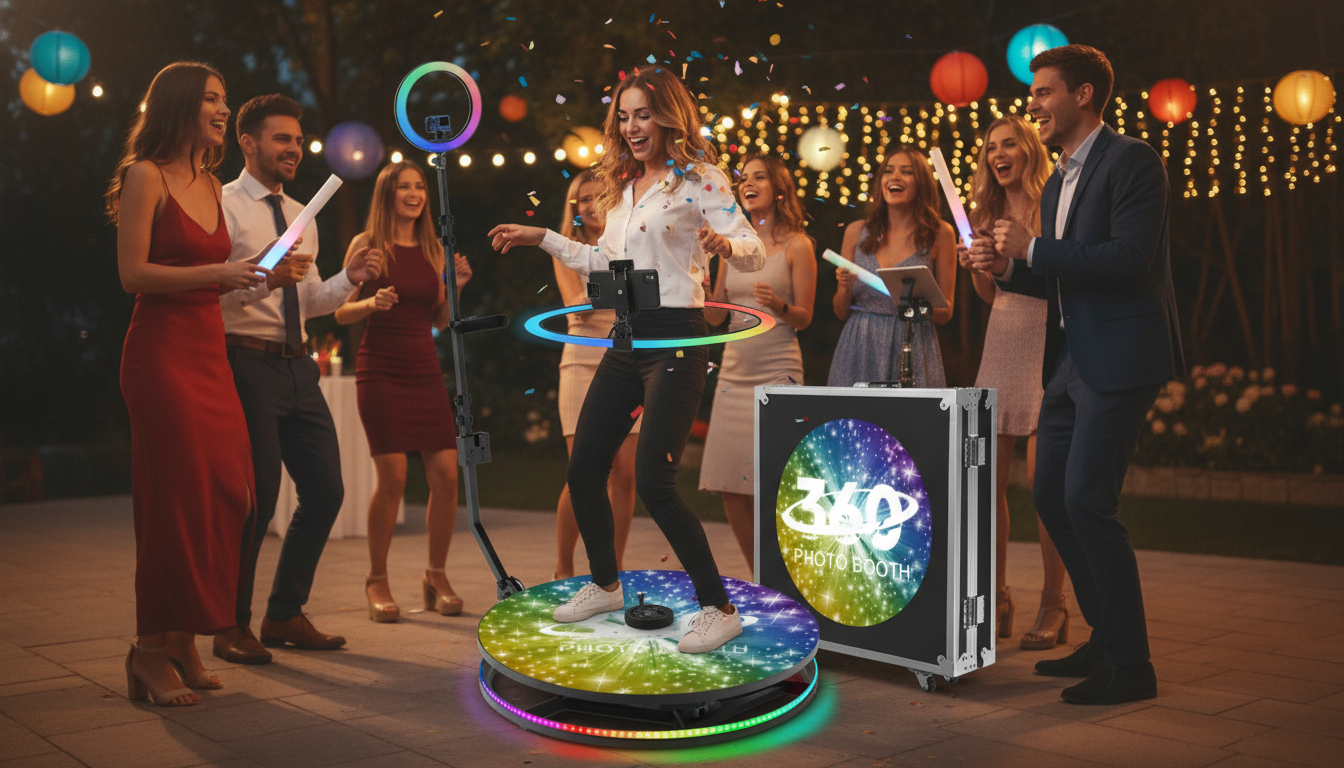
Slow Motion Photo Booth Experiences: What They Are, How They Work, and When to Use Them
A slow motion photo booth turns quick moments—confetti pops, dress swirls, champagne sprays, high-fives—into dramatic, shareable clips. Instead of a single still image, guests get a short video captured at high frame rates and played back smoothly, often with overlays, music, and instant sharing options. The result feels premium, cinematic, and highly engaging for weddings, corporate activations, parties, and brand events. For more guidance, see Amazing 360 Photo Booth Rental – Hudson Valley – Middletown.
What a Slow Motion Photo Booth Captures
At its core, a slow motion booth is a high-speed video setup designed for short, repeatable “micro-scenes” that look bigger than life when played back at normal speed. For further reading, see Social Entrepreneurship Program – Excite All Stars.
- High-frame-rate video (commonly 120–240 fps or more) recorded quickly and played back at standard frame rates for that smooth, slowed look.
- Action-first moments built for impact: confetti/flower tosses, spins, group cheers, props in motion, and product reveals.
- Multiple deliverables depending on the setup: a slow-motion clip, a boomerang-style loop, and optional still frames pulled from the footage.
- Branding and styling such as overlays, event logos, animated frames, themed backgrounds, and a consistent visual “finish.”
For a deeper technical reference on motion capture concepts, high-speed photography is a helpful baseline even though modern event booths lean on digital video workflows (Wikipedia: High-speed photography).
Slow Motion vs 360 Platforms vs Classic Booths
These experiences can look similar on social feeds, but they’re optimized for different kinds of “wow.” Slow motion focuses on time (dramatic playback). 360 platforms focus on movement (a camera orbiting around guests). Classic booths focus on speed (quick stills and prints).
| Booth style | Best for | Typical output | Notes |
|---|---|---|---|
| Slow motion booth | Cinematic moments and reactions | Slow-mo video clip + optional stills | Needs strong lighting and clear action prompts |
| 360 platform booth | Wow-factor angles and group shots | Orbiting video (often with effects) | Requires more floor space and stable setup |
| Classic photo booth | Fast guest flow and printed keepsakes | Photo strips/single prints + digital | Easiest for large crowds and quick sessions |
Throughput matters: video experiences usually take a bit longer per group than a classic booth, but they feel more immersive and tend to get shared more often. The biggest upgrade comes from planning the action—simple “do this now” cues, safe prop choices, and consistent lighting.
Key Features That Shape Video Quality
Slow motion looks expensive when the details are crisp: confetti edges, fabric texture, droplets, and facial expressions. That quality comes from a few non-negotiables.
- Frame rate and shutter speed: Higher fps captures smoother motion; faster shutter speeds reduce blur and keep confetti or spray sharp. For a quick primer on how frame rate impacts playback, see Adobe’s overview of frame rate.
- Lighting design: Bright, even light is essential. Slow motion commonly needs more light than standard video, especially when you want a fast shutter for crisp frames.
- Camera stability and lens choice: A stable mount reduces jitter; a wider lens helps fit small groups without forcing people to stack in rows (while still avoiding extreme distortion).
- Background and set styling: Clean backdrops boost contrast and make branding readable. Color accents, textures, or themed sets make the clip feel intentional rather than “random corner of the venue.”
- Effects and finishing: Overlays, transitions, subtle color grading, and music can turn a raw capture into something that feels like a highlight reel.
For consumer-level capture, most modern phones include built-in slow-mo modes; Apple’s guide is a straightforward example of how high-frame-rate capture is handled on devices (Apple Support: Record slow-motion videos).
Guest Experience: Setup, Flow, and Prompts That Work
The smoothest slow motion booths feel effortless to guests, even though there’s a lot happening behind the scenes. A reliable flow keeps the line moving and the clips consistent.
- Fast, repeatable flow: greet → pose → cue the action → capture → show preview → share via QR delivery.
- Prompts that film well every time: confetti toss, group cheer, slow spin, jacket flip, bouquet shake, product unbox, or a “3-2-1” jump without actual jumping (a coordinated lean-in can look great and be safer).
- Props that read in slow motion: streamers, ribbons, bubbles, safe confetti, lightweight fabric, handheld signs—anything that creates visible motion trails.
- Safety and cleanliness: avoid slippery materials; keep cleanup tools nearby; set boundaries early (for many venues, “no food/drink spray” is a must).
- Accessibility considerations: offer alternatives like a hand wave, a toast/clink, a gentle toss, or seated shots so everyone can participate comfortably.
When a Slow Motion Photo Booth Makes the Most Sense
A Ready-to-Go Option: Slow Motion 360 Photo Booth
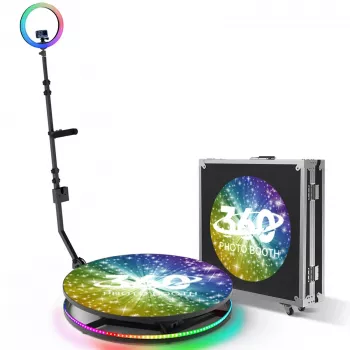
For events that want a true centerpiece, a combined approach can deliver the strongest impact: a moving viewpoint plus dramatic slow-motion playback. The Slow Motion 360 Photo Booth is designed for that “orbiting + slow-mo” look that consistently stops people mid-scroll.
Extra Add-On for Photo-Ready Guests
For weddings, galas, and influencer-style activations, a small glam touch-up area near the booth can improve results and confidence on camera. A digital guide like the Low-Effort Makeup Secrets Pack | Simple Makeup Ideas 4-in-1 Digital Beauty Bundle works well as a prep resource for attendants, brand ambassadors, or anyone running a “touch-up station” before guests step into the lights.
Planning Checklist: Getting the Look Consistently
FAQ
How to slow motion in photos?
True slow motion is a video effect: record high-frame-rate video (like 120–240 fps) and play it back at normal speed to create the slow-down. Many booths (and phones) can also export a slowed clip and pull still frames from the footage, but crisp results depend on strong lighting and a fast shutter to avoid blur.









Leave a comment