



Built-In Tank Smart Toilet: Auto Flush + Remote Control
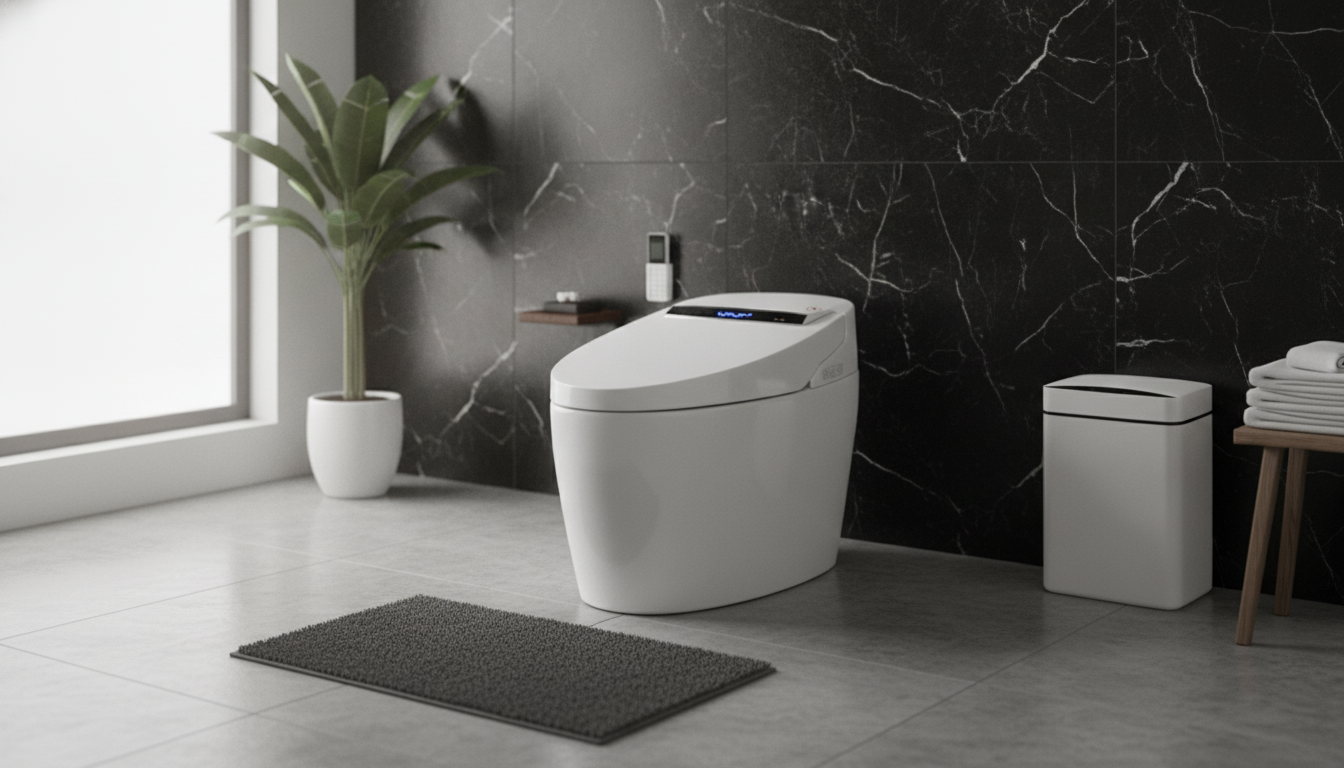
Smart Toilet with Built-in Water Tank, Automatic Flush, and Remote Control
A smart toilet with an integrated water tank brings modern hygiene and comfort into bathrooms where an in-wall tank isn’t practical—or where opening walls simply isn’t part of the plan. With automatic flushing and remote control operation, it can make everyday routines more hands-free and more consistent for families, guests, and multi-generational homes. The built-in tank also offers flexibility in remodels where water pressure, plumbing access, or layout constraints can complicate traditional installation choices.
What a built-in water tank changes
Smart toilets come in a few common formats, but models with a built-in tank are especially appealing when you want a clean look without committing to an in-wall carrier system.
- Supports a cleaner, more streamlined appearance without relying on a separate exposed tank.
- Helps simplify remodel decisions when opening walls for an in-wall tank isn’t planned.
- May support more consistent flushing in homes where line pressure varies (actual results depend on the model and installation).
- Often pairs well with a one-piece body, which can mean fewer seams and easier wipe-downs.
If water efficiency is a priority, it’s also worth reviewing current toilet efficiency guidance from EPA WaterSense for context on performance and conservation goals.
Automatic flush: hands-free convenience and cleaner habits
Automatic flushing can be one of the most appreciated features in day-to-day use—especially in shared bathrooms where touch points add up quickly.
- Reduces contact with flush surfaces, supporting a cleaner routine for families and guest baths.
- Common triggers include seat sensors, timed flush after use, and manual overrides via remote or side control.
- Useful for guests and kids, since it reduces reliance on remembering to flush.
- Look for practical controls: a clear manual flush option matters during power interruptions or occasional sensor misreads.
For households balancing convenience with reliability, a model that combines automatic flush with an obvious manual backup can make the experience feel more predictable.
Remote control: comfort features within easy reach
A remote puts core functions and personal settings in one place, which can be especially helpful for users who prefer simple controls—or need them for accessibility.
- Centralizes controls to make operation easier for people with limited mobility or those recovering from surgery.
- Typical functions can include flush options, seat temperature, wash modes, nozzle position, water temperature, and drying (features vary by configuration).
- A wall-mountable remote reduces countertop clutter and keeps controls accessible.
- Backlit buttons and clear icons can be easier to use in low-light bathrooms.
Small usability details—like readable icons and responsive buttons—can matter just as much as the feature list, particularly in guest baths where first-time users may not want to “figure it out.”
Daily use experience: what to expect
Smart toilets tend to shine in the moments you notice comfort and convenience the most—early mornings, cold nights, and busy households.
- Warm seat comfort can make a noticeable difference in colder climates or bathrooms with tile floors.
- Bidet wash and drying features can reduce reliance on toilet paper and support sensitive skin needs (personal preference varies).
- Deodorization and air circulation (when included) can help keep the room fresher between cleanings.
- Night lighting can improve safety for nighttime visits without switching on bright overhead lights.
For bathroom planning and spacing considerations, the National Kitchen & Bath Association (NKBA) offers widely referenced planning guidance that can help when evaluating comfort clearances.
Installation and bathroom compatibility checks
Before ordering a smart toilet, confirm a few fundamentals so the upgrade feels seamless rather than stressful. Clearances and rough-in measurements are the most common “surprises,” followed closely by power access.
Pre-installation checklist
| Check | Why it matters | What to measure or confirm |
|---|---|---|
| Rough-in distance | Ensures the toilet fits the existing drain location | Measure from the wall (finished surface) to the center of the floor bolts |
| Power access | Enables smart features and remote operation | Dedicated or suitable GFCI outlet within cord reach |
| Water supply/shutoff | Simplifies installation and future servicing | Valve location, hose length, and unobstructed access |
| Bathroom clearance | Improves comfort and maintenance access | Side clearance, front clearance, and door swing conflicts |
If you’re coordinating plumbing with local requirements, standards organizations like IAPMO can be a helpful reference point for code-aligned practices and certifications.
Maintenance and long-term care
When this style of smart toilet is a strong fit
Product options (in stock)
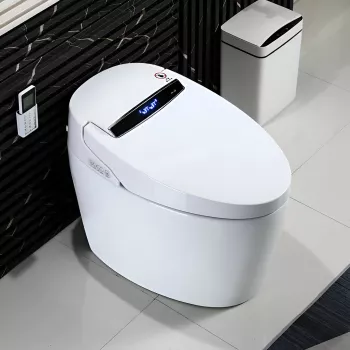
- Smart Toilet with Built-in Water Tank, Automatic Flush, and Remote Control — a single-piece smart toilet designed around an integrated tank, hands-free flushing, and remote operation for everyday comfort.
- Low-Effort Makeup Secrets Pack | Simple Makeup Ideas 4-in-1 Digital Beauty Bundle — a digital bundle focused on streamlined routines and simple, repeatable techniques.
- Step-by-Step Puppy Training Toolkit: A Beginner’s Guide to Dog Training + eBooks & Checklists — a beginner-friendly digital toolkit with guides and checklists for foundational training.
FAQ
Does a smart toilet with a built-in tank work if the home has low water pressure?
Performance varies by model, but an integrated tank can help support more consistent flushing in situations where supply pressure fluctuates. The home’s supply line still matters, so it’s best to confirm the minimum pressure requirements and ensure the shutoff valve and supply line are in good condition.
What happens if the power goes out?
During an outage, smart features like heated seating, washing, drying, and sensors may be unavailable. Check whether the unit provides a manual flush option and follow the manufacturer’s guidance so basic operation remains accessible.
Is professional installation recommended?
Many homeowners can replace an existing toilet if the plumbing and power are already in place, but a licensed professional is recommended when adding a new outlet/GFCI, adjusting rough-in conditions, or addressing leaks and code compliance.












Leave a comment