



Floating Minnows: Best Uses, Retrieves & Cover Tips
What are floating minnows good for?
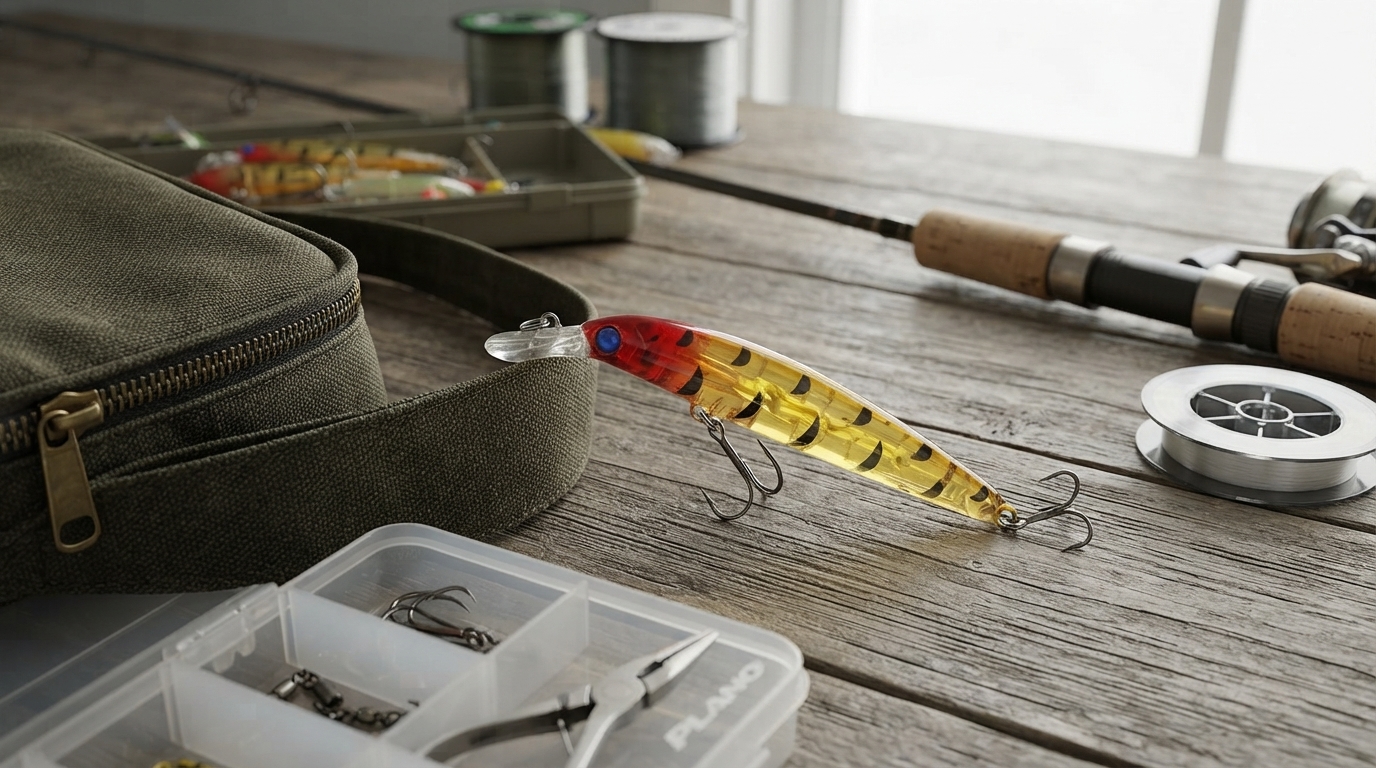
Floating minnows are good for covering shallow water and triggering reaction strikes from predatory fish with a realistic baitfish profile. Because they float at rest and typically dive only when retrieved, they shine around weed tops, laydowns, riprap, and shoreline structure where fish ambush prey. They’re also a dependable choice when you want a lure that can pause safely without immediately sinking into snags.
Shallow to mid-depth searching
A floating minnow hardbait is a practical “search lure” for quickly checking likely holding areas. Cast it parallel to banks, over flats, or across points, then use a steady retrieve to make it track like a fleeing baitfish. When fish are spread out, the built-in wobble and flash help draw attention from a distance.
Pause-and-float triggers
One of the biggest advantages is what happens when you stop reeling: the lure rises. That upward movement can look like an injured minnow trying to recover, which often gets followers to commit. It also lets you work the bait around cover—retrieve to the edge of a stump or weeds, pause to let it float up and clear, then continue the retrieve.
Great around snaggy cover
Floating minnows are good for fishing tight to structure because they’re more forgiving than sinking hardbaits. If you tick a rock or brush, a brief pause can lift the lure away and reduce hang-ups. This makes them especially useful in shallow rivers, ponds, and bank fishing situations where bottom composition changes frequently.
Match size, hooks, and action to the bite
Profile and hardware matter. Smaller floating minnows can imitate young-of-year baitfish and excel when fish are pressured or feeding on small forage. Sharp treble hooks improve hookup rates when strikes are quick or short. For a closer look at a 70mm option and how design details affect performance, see this floating minnow hardbait guide.
FAQ
How do you fish a floating minnow lure?
Use a steady retrieve to make it swim, then mix in twitches and pauses so it darts and rises. Around cover, pause when you feel contact to let it float up and slip free before continuing.














Leave a comment