



Save Like a Pro in 2025: Easy Budget Wins in 30 Days
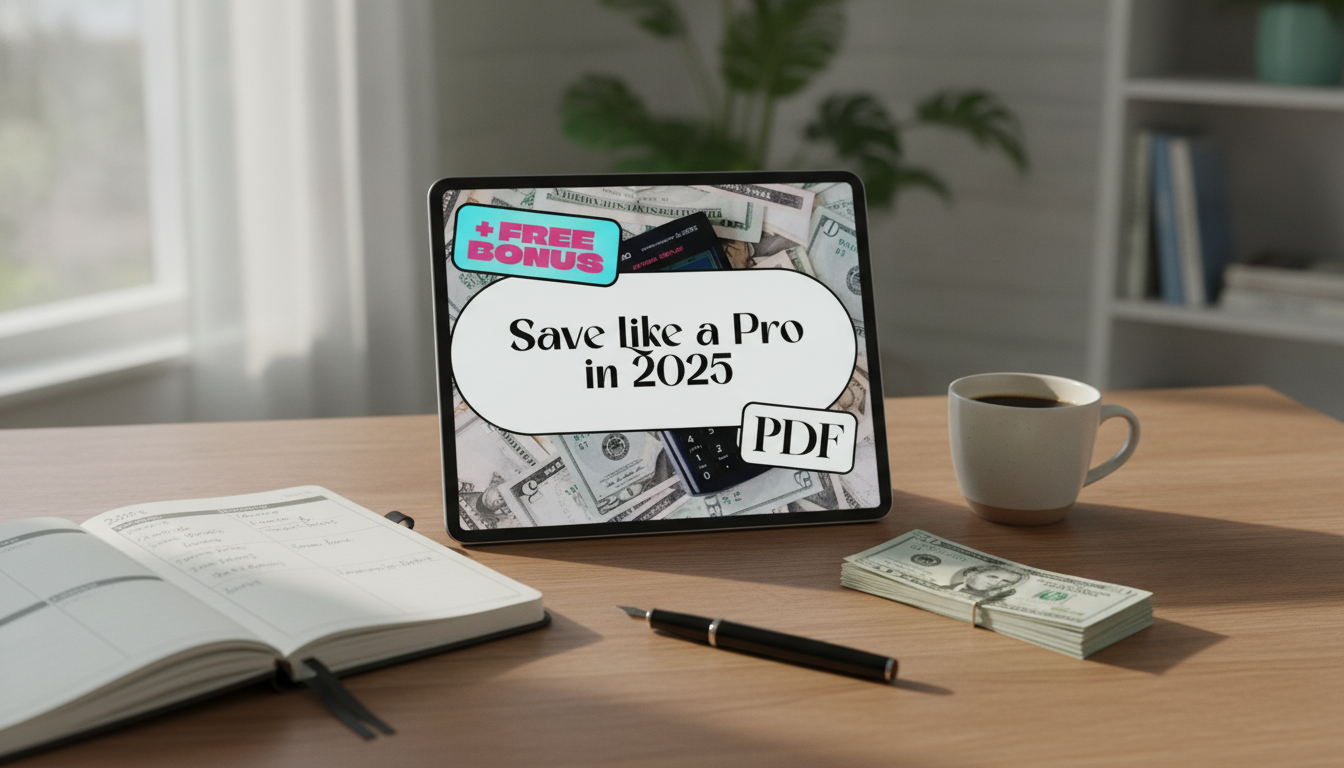
Save Like a Pro in 2025: Smart Strategies for a Wealthier, Wiser You
Saving money gets easier when the plan is simple, repeatable, and built for real life. A strong system doesn’t demand perfection—it creates structure that works on ordinary weeks, busy weeks, and even “surprise expense” weeks. This 2025-focused digital budget guide is designed to help you cut costs without feeling punished, organize spending in a way that’s easy to maintain, and build habits that keep more cash available for what matters most.
What this 2025 savings guide helps you do
- Turn messy spending into clear categories and priorities
- Build a savings system that works even with irregular income
- Reduce “silent” money leaks like subscriptions, fees, and impulse add-ons
- Create a realistic buffer for emergencies and near-term goals
- Set up routines that make saving automatic instead of willpower-based
Start with a fast financial snapshot (30 minutes)
The fastest way to improve saving is to get a clean, honest snapshot—without overcomplicating it. The goal isn’t to judge past spending; it’s to see where your money is going so you can redirect it with minimal friction.
- List all take-home income sources and pay dates (or typical weekly average)
- Pull the last 30–60 days of transactions and sort them into needs, wants, and commitments
- Circle the top 5 categories by total spend to find the biggest opportunities
- Identify “must-pay” bills vs. flexible spending to avoid over-cutting essentials
- Choose one primary savings goal for the next 30 days (emergency buffer, debt cushion, upcoming bill, sinking fund)
Quick snapshot checklist
| Step | What to collect | Outcome |
|---|---|---|
| Income map | Pay stubs or deposit history | Reliable monthly baseline |
| Spending scan | Bank/card transactions | Top categories by cost |
| Fixed vs. flexible | Bills + variable purchases | Safe cut targets |
| Goal pick | One short-term target | Clear focus for the month |
Simple budget frameworks that don’t collapse mid-month
A budget “fails” when it’s too strict, too vague, or too hard to run. The best framework is the one you can repeat. If you’ve tried budgeting before and it fell apart by Week 2, pick one method below and keep it light for the first month.
- Percentage budgeting: pick a needs/wants/savings split that fits current reality, then adjust one category at a time.
- Zero-based budgeting: assign every dollar a job so leftover money doesn’t vanish into “miscellaneous.”
- Cash-flow budgeting: match bills to paydays to prevent overdrafts and late fees.
- Sinking funds: pre-save for predictable expenses like car repairs, annual renewals, gifts, and travel.
- Rule for changes: modify one lever per week (groceries, dining, subscriptions, transport) to avoid burnout.
If you want a helpful foundation to build from, the Consumer Financial Protection Bureau’s budgeting resources are a solid reference for core budgeting concepts and tools: https://www.consumerfinance.gov/consumer-tools/budgeting/.
High-impact cuts that don’t feel like punishment
Saving doesn’t have to mean “no fun.” It works better when you target the biggest leaks first—especially recurring charges and convenience spending that adds up quietly. The goal is to keep your lifestyle enjoyable while removing the costs you don’t truly value.
- Subscriptions: cancel, pause, or rotate monthly—keep only what is used weekly.
- Groceries: plan 8–12 “default meals,” shop from a list, and avoid duplicate convenience items.
- Insurance and utilities: shop rates annually, check discounts, and review plan tiers.
- Fees and interest: set due-date reminders, autopay minimums, and pay extra toward the highest-cost debt.
- Negotiations: ask for promotional rates, remove unnecessary add-ons, and request fee waivers when eligible.
Where savings often hide
| Area | Quick move | Best cadence |
|---|---|---|
| Subscriptions | Audit and rotate services | Monthly |
| Groceries | Default meal plan + list | Weekly |
| Bills | Review plan tiers and add-ons | Quarterly |
| Insurance | Compare quotes/discounts | Yearly |
| Fees/interest | Autopay + targeted extra payments | Every payday |
For extra clarity on subscription “negative option” practices (where charges continue unless you cancel), the Federal Trade Commission provides helpful guidance: https://www.ftc.gov/business-guidance/advertising-marketing/negative-option-marketing.
Make saving automatic (so it happens even on busy weeks)
If you need a basic refresher on building a budget structure, USA.gov’s overview is a reliable starting point: https://www.usa.gov/budgeting.
What’s included in the digital download
At-a-glance product details
| Detail | Info |
|---|---|
| Format | eBook (digital download) |
| Theme | Saving money and budgeting strategies for 2025 |
| Best for | Anyone who wants a step-by-step structure and repeatable routines |
| Availability | In stock |
Recommended digital downloads (in stock)
- Save Like a Pro in 2025: Smart Strategies for a Wealthier, Wiser You (Digital Download)
- Low-Effort Makeup Secrets Pack | Simple Makeup Ideas 4-in-1 Digital Beauty Bundle
- Color Theory Seasons Bundle 10-in-1 | Seasonal Color Analysis Guides & Checklists
A realistic 30-day plan to gain momentum
30-day momentum map
| Timeframe | Primary focus | Simple win |
|---|---|---|
| Days 1–3 | Clarity | One goal + category totals |
| Week 1 | Stop leaks | Subscription audit + auto-transfer |
| Week 2 | Food spending | Default meals + list-only shopping |
| Week 3 | Bills | One bill reduced or optimized |
| Week 4 | Lock it in | Monthly review + next-step plan |
FAQ
Is this eBook suitable for beginners who have never budgeted?
Yes. It starts with a simple snapshot to create clarity quickly, then moves into repeatable steps you can follow even if you’re starting from scratch.
How fast can savings improve with a structured plan?
Many people see progress within the first month by stopping common money leaks and setting up automatic transfers. Results vary based on income, fixed expenses, and how consistently the system is followed.
What’s the best way to stay consistent without feeling deprived?
Rely on automation and category boundaries instead of blanket restriction, and change one lever at a time (like groceries or subscriptions) so the plan feels sustainable rather than exhausting.















Leave a comment