



Fall Winter 2026 Fashion Colors: Mocha, Oxblood, Navy
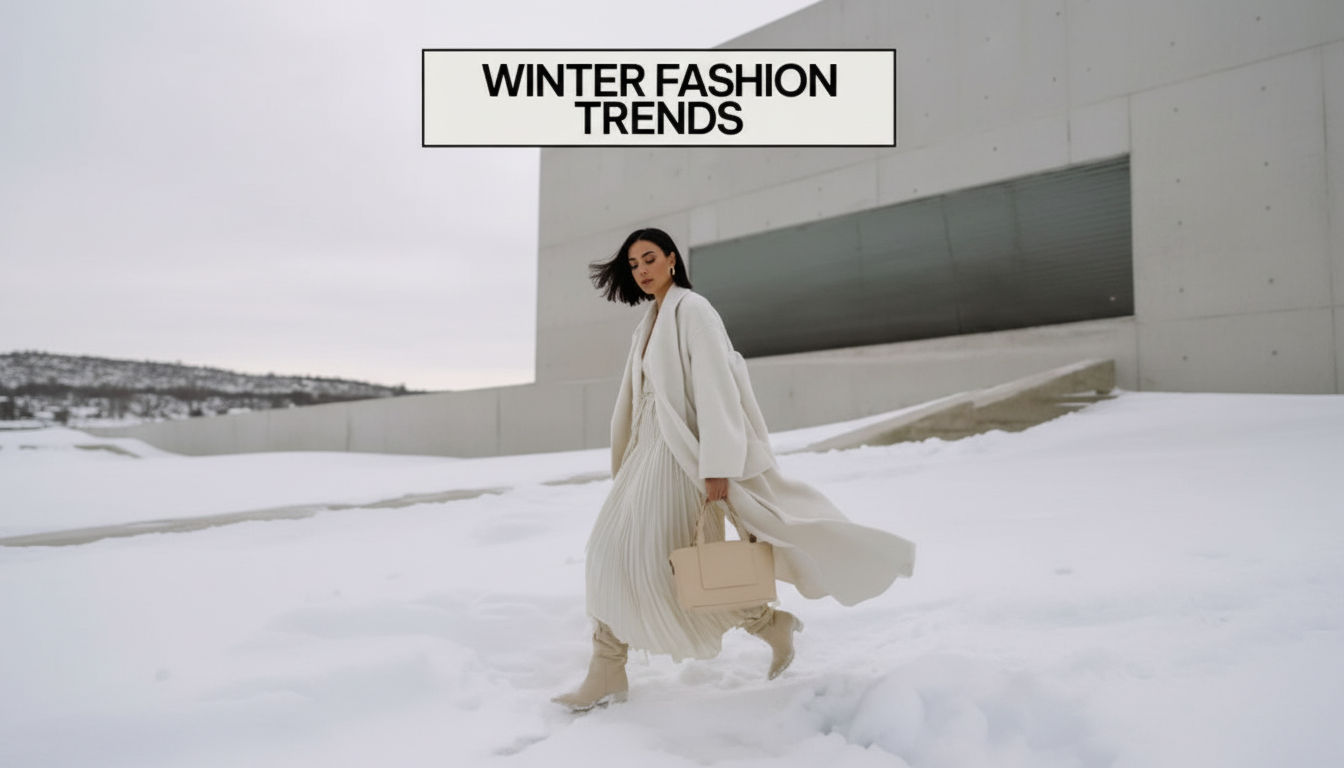
What is the fashion color for fall winter 2026?
For fall winter 2026, the fashion color story is expected to lean into “grounded luxury”: rich, wearable tones that look elevated in everyday outfits and photograph well in low winter light. While runway and retail palettes will vary by brand, the season’s most direction-setting shades are likely to cluster around deep neutrals, warm browns, and moody reds—colors that feel timeless but still fresh when styled with modern silhouettes.
To build a wardrobe that matches the moment, start with a dark, inky base (think near-black navy or charcoal) and add one “hero” shade that brings warmth and depth. This approach works across outerwear, knits, boots, and handbags, and it makes layering easier when temperatures drop.
Key colors to watch
Mocha and espresso browns: Brown continues to read as premium and versatile, especially in leather, suede, and wool. It pairs cleanly with cream, black, and slate, and it softens sharp tailoring.
Oxblood and deep cherry: A darker red feels dramatic without being loud. It’s an easy way to update a black coat-and-boot uniform—try oxblood boots, a bag, or a knit under a structured blazer.
Stormy blue and midnight navy: A cooler alternative to black that still looks sleek. Navy-on-navy layering (coat + knit + denim) is a polished winter formula.
Dusty sage and muted olive: Green shifts calmer and more wearable for cold weather. It looks especially current in puffers, utility-inspired jackets, and chunky knits.
Soft buttercream and winter white: Lighter neutrals brighten heavy outfits. Use them in scarves, sweaters, or wide-leg trousers to lift darker layers.
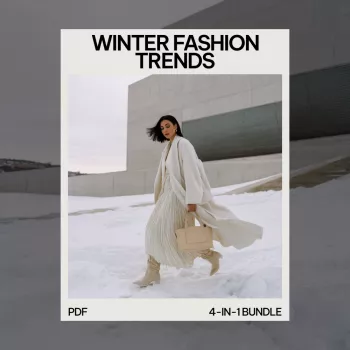
If you want ready-to-wear outfit pairings that make these shades feel effortless, follow the winter outfit formulas and checklists here: Winter Trend Bundle: Outfit Formulas, Guides & Checklists.
FAQ
What colors are flattering for winter outfits?
Deep neutrals (navy, charcoal, espresso) and saturated accents (oxblood, forest, cobalt) tend to look especially polished in winter. Balance them with lighter neutrals like cream to keep outfits from feeling heavy.










Leave a comment