



Signs Your Cat Is Adjusting to a New Home (and Stress Clues)
How do you tell if a cat is adjusting to a new home?
Most cats show their comfort level through small, practical behaviors. In the first days, it’s normal to see hiding and cautious exploring, but the trend should move toward curiosity, routine, and calm interactions. A cat that’s adjusting is still “being a cat”—eating, resting, grooming, and using the litter box—just with fewer stress signals over time.
Signs your cat is settling in well
Steadier appetite and drinking: Skipped meals can happen at first, but you should see consistent eating and normal water intake within a few days. Treats being accepted is often an early good sign.
Reliable litter box use: Regular urination and stools in the box are strong indicators that your cat feels safe and knows where resources are. Sudden accidents after initial success can signal stress or a medical issue.
More confident body language: Look for a tail held neutrally or up, ears forward, slow blinks, relaxed posture, and grooming in the open. These cues usually appear more often as the home starts to feel predictable.
Healthy sleep and play: A cat that naps deeply, stretches out, or engages in short play bursts (even at odd hours) is typically decompressing. Play is especially meaningful because it requires a sense of security.
Gentle social contact (at their pace): Rubbing cheeks on furniture or people, head bunting, sitting nearby, or following you from room to room are common “I’m okay here” behaviors.
Signs they need more time (or a reset)
Persistent hiding with no exploration, frequent hissing or swatting when no one is crowding them, not eating for 24 hours, diarrhea lasting more than a day, or repeated litter box avoidance are reasons to adjust the setup and consider calling a vet. Many cats improve quickly when their world gets simpler and quieter.
How to help the adjustment go faster
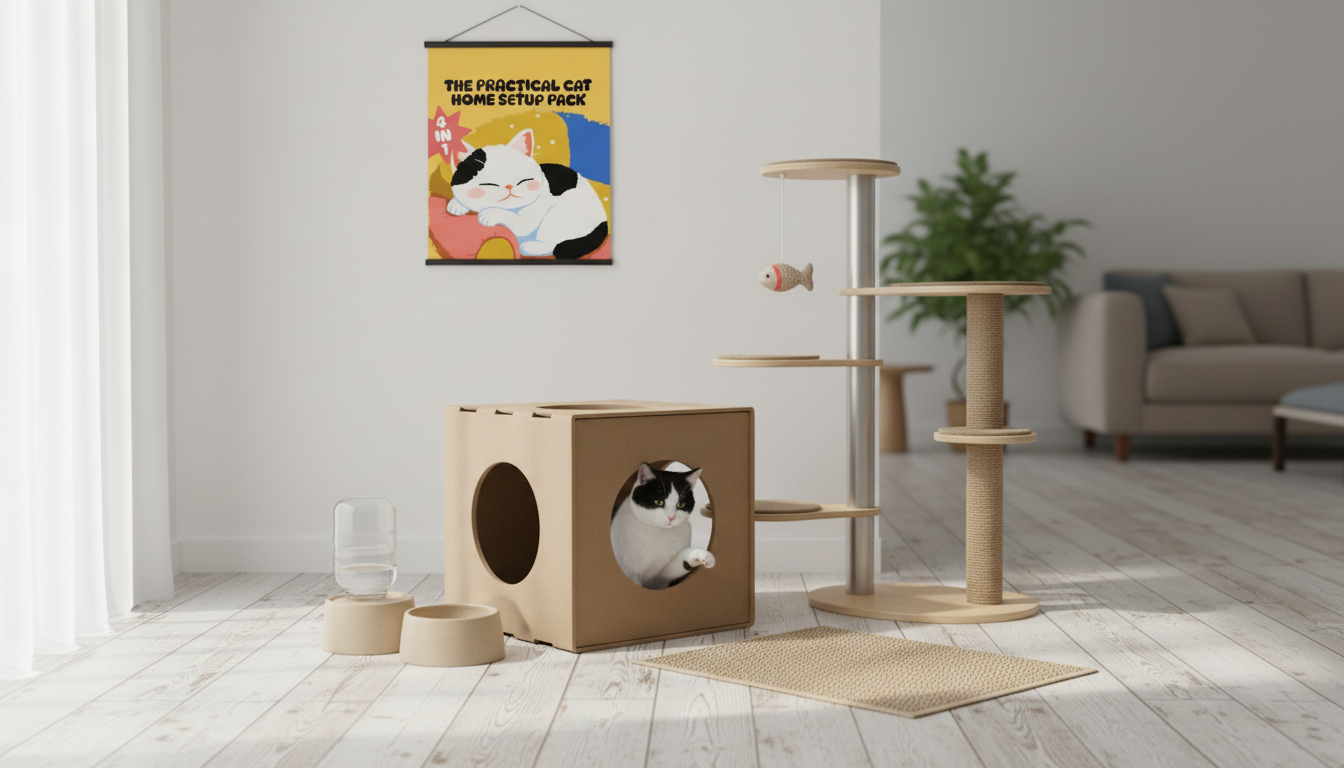
Keep the environment consistent: a quiet “home base” room, a predictable feeding schedule, and easy access to litter, water, and hiding spots. For a step-by-step home setup that supports calmer transitions, visit this cat-friendly home setup guide.
FAQ
How long does it take a cat to feel comfortable in a new home?
Many cats show noticeable improvement within 1–2 weeks, but full comfort can take a month or longer. Shy cats and multi-pet homes often need extra time and a slower introduction pace.















Leave a comment