



Do Cats Struggle Adjusting to a New Home? What to Expect
Do cats have a hard time adjusting to a new home?
Answer
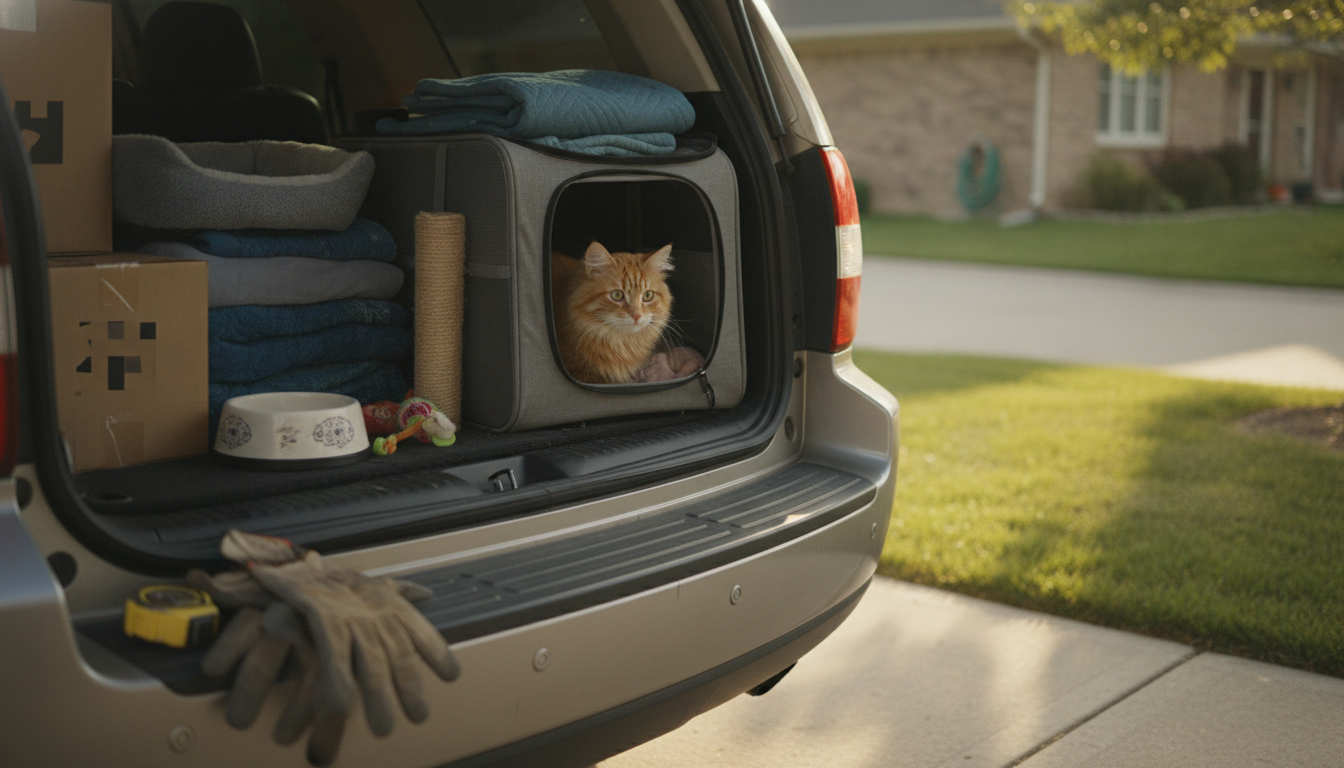
Many cats do have a hard time adjusting to a new home at first. Cats rely on familiar scent, routines, and territory for security, so a move can feel like their whole world changed overnight. Some cats settle in within a few days, while others may need a couple of weeks (or longer) to feel fully relaxed.
Common “adjustment” behaviors include hiding, reduced appetite, extra vocalizing, clinginess, and litter box hesitation. These signs are often temporary, but they’re your cat’s way of coping with uncertainty. A slower, more predictable transition usually helps more than constant reassurance or forcing interaction.
The easiest way to support your cat is to start small and build confidence. Set up a quiet “home base” room with food, water, litter, a cozy hiding spot, and a scratcher. Let your cat explore at their own pace, and keep daily routines (meals, play, bedtime) consistent so they can predict what happens next.
Scent is a powerful tool during transitions. Bring familiar bedding, use the same litter type, and avoid heavy cleaning products in your cat’s initial space so the room can start to smell like “theirs.” If there are other pets or kids, introduce them gradually, and give your cat escape routes and vertical spaces where they can observe without feeling trapped.
If you want a practical, step-by-step setup that reduces stress and helps your cat settle faster, follow the guidance here: cat-friendly home setup guide.
Contact a veterinarian if your cat refuses food for more than 24 hours, has persistent diarrhea/vomiting, or shows ongoing litter box issues—stress can trigger medical problems that look like “behavior.”
FAQ
How can I help my cat feel safe during the first night?
Keep your cat in a single quiet room with the essentials, dim the lights, and avoid late-night visitors or loud noises. Offer a soft hiding spot and a familiar blanket, and let your cat approach you rather than picking them up.














Leave a comment