



Clutter-Free Kitchen: 5 Quick Habits That Stick

How to keep your kitchen clutter-free?
A clutter-free kitchen starts with treating every surface like valuable workspace. When counters stay mostly clear, cooking feels faster, cleanup is easier, and it’s simpler to spot what actually needs to be put away.
1) Reset your countertops (and defend that space)
Pick one “allowed” counter zone—like a coffee corner or a small tray for daily essentials—and keep everything else off the counters. If an item doesn’t earn daily-use status, store it in a cabinet, drawer, or pantry bin. A quick rule: if you can’t wipe the counter in 10 seconds, too much is living there.
2) Assign a home to every category
Clutter builds when items float between spots. Group by category (baking, snacks, lunch prep, food storage, cleaning) and give each group one dedicated area. Use clear bins or labeled zones so anyone can put things back without guessing. If you’re working with a small kitchen, vertical storage (door racks, tiered shelves, stackable bins) helps create “new” space without remodeling.
3) Make drawers work harder
Messy drawers turn into clutter magnets. Add simple dividers so tools don’t pile into a jumble. Keep the most-used utensils in the top drawer near the prep area, and relocate duplicates or specialty tools to a less convenient spot—so daily cooking stays streamlined.
4) Build a 2-minute nightly kitchen reset
Before bed, do a fast loop: clear the sink, wipe the counters, return strays to their homes, and set out anything needed for tomorrow (like a lunch container). This small habit prevents clutter from “compounding” into weekend cleanups.
5) Use space-saving tools designed for tiny kitchens
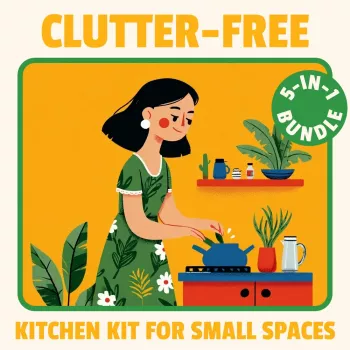
Multi-purpose organizers and compact storage pieces reduce the number of separate gadgets competing for room. For practical, small-space ideas (including an all-in-one approach), visit this clutter-free kitchen kit guide.
FAQ
What are the best storage solutions for a small kitchen?
Prioritize vertical storage like shelf risers, stackable bins, and over-the-door organizers. Use clear containers for pantry items and drawer dividers for tools so every category has a defined home.













Leave a comment