



Full-Body Red Light Therapy Machine Cost Guide
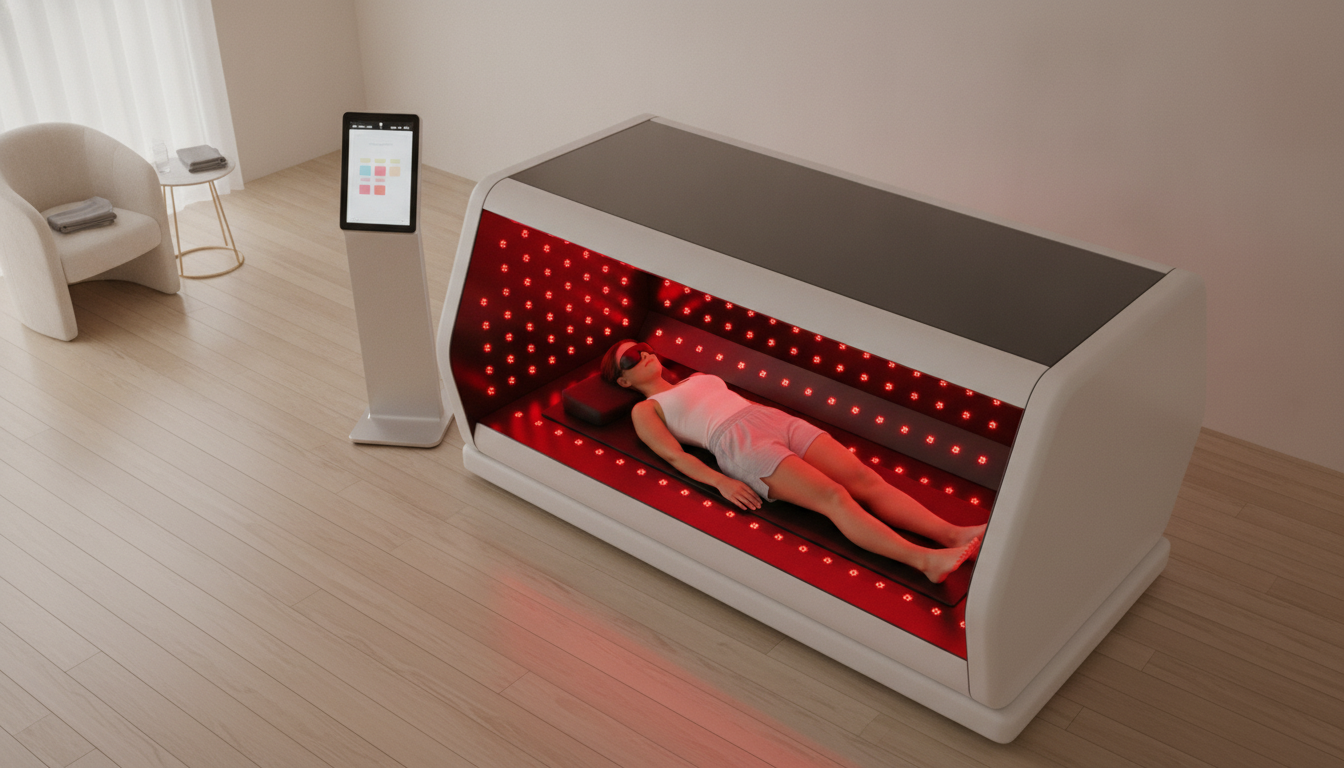
How much does a full body red light therapy machine cost?
Full body red light therapy machines range widely in price, mostly based on panel size, wavelength accuracy, irradiance (power output), safety certifications, and build quality. For most shoppers, the realistic starting point is a large panel setup, while true “full body” beds and medical systems sit at the premium end.
Typical price ranges
Large full-body panels (standing or wall-mounted): about $700–$2,500. This is the most common route for home users because one tall panel (or two stacked panels) can cover most of the body without the cost of a bed.
Modular multi-panel towers (wraparound style): about $2,500–$8,000. These systems use multiple panels to reduce treatment time and improve coverage uniformity.
Full body red light therapy beds: roughly $8,000–$30,000+. Beds are typically built for clinics or high-end home installations and may include cooling, higher total output, and more robust housings.
Clinic-grade/medical systems: often $10,000–$50,000+, depending on whether the device is cleared for specific claims, comes with service contracts, or includes professional training and documentation.
What drives the price up (or down)
Costs climb when a unit delivers higher, well-documented irradiance at treatment distance, offers dual wavelengths (commonly red and near-infrared), uses quality LEDs and drivers for consistent output, and carries recognized electrical and photobiological safety testing. Price also reflects size: full body coverage usually means more LEDs, more heat management, and a sturdier frame.
A practical buying tip
If the goal is full-body coverage on a budget, compare a tall panel plus a simple stand versus a bed. Many people get similar coverage by treating front and back in two short sessions rather than paying a large premium for a bed.
For a related look at lighting options and an LED-focused setup guide, visit this Havencia LED lighting guide.
FAQ
What does Mayo Clinic say about red light therapy?
Mayo Clinic generally describes red light therapy as a developing, noninvasive approach that may help certain skin concerns, while emphasizing that evidence varies by condition and more research is still needed.
What is the best medical grade red light therapy?
The “best” medical grade option depends on the use case, but it typically means a system with strong safety testing, consistent measured output, and professional documentation, often sold through clinical channels and supported with service.
What is considered a medical grade red light?
Medical grade usually refers to devices built to higher manufacturing and safety standards, with verified performance specs and, in some cases, regulatory clearance for specific therapeutic claims.














Leave a comment