



Medical-Grade Red Light: Specs, Safety & Standards

What is considered a medical grade red light?
Answer
A “medical grade” red light typically refers to a red and/or near-infrared (NIR) light therapy device built to clinical-level standards for performance, safety, and consistency. The label isn’t always a regulated marketing category on its own, so the most reliable way to judge “medical grade” is by objective specifications and compliance markers rather than the phrase printed on the box.
From a performance standpoint, medical-grade devices commonly use targeted therapeutic wavelengths, most often in the red range around 630–670 nm and in the NIR range around 810–850 nm. They also provide sufficiently high irradiance (power density) at a stated distance, with published measurement conditions (distance, beam area, and whether readings are averaged). Consistent output matters because dosing is based on time, distance, and power density.
From a safety and build standpoint, medical-grade products usually document electrical and photobiological safety considerations (such as appropriate eye-safety guidance), use stable LEDs and drivers designed for long duty cycles, and include clear operating instructions that align with common clinical dosing practices. Many reputable devices also highlight compliance testing (for example, ETL/UL electrical safety testing) and may carry FDA “cleared” or “registered” positioning when applicable to the product type and claims—though FDA clearance is tied to specific indications and doesn’t automatically mean “best,” just reviewed for that intended use.
Practical signs of a medical-grade approach include: transparent spec sheets (wavelength bins, irradiance at distance, treatment area), quality controls for heat management and durability, and guidance on exposure time and positioning. If those details are missing, it’s harder to verify that the device can deliver repeatable, therapeutic dosing.
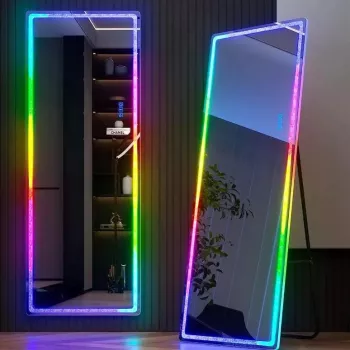
If you’re comparing light therapy setups alongside other wellness-focused home upgrades, see the styling and functionality ideas in this guide: https://havencia.com/guide-crushed-diamond-full-body-led-lighted-mirror/.
FAQ
What wavelengths are best for red light therapy?
Most commonly used ranges are red light around 630–670 nm and near-infrared around 810–850 nm. Red is often used for more surface-focused goals, while NIR tends to penetrate deeper tissues.













Leave a comment