



Tankless Water Heater Drawbacks: 5 Reasons to Skip It
Why avoid a tankless water heater?
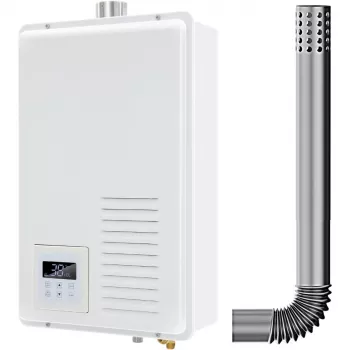
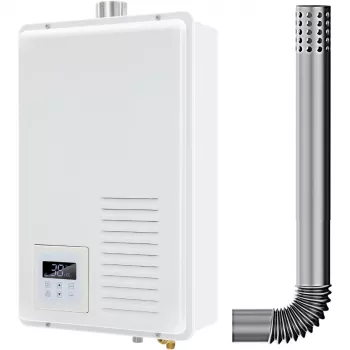
Tankless water heaters can be a great fit, but there are several practical reasons some homeowners choose to avoid them. The biggest issues usually come down to upfront cost, installation complexity, performance expectations, and maintenance requirements.
Common downsides that make tankless a poor match
Higher purchase price and installation costs
Tankless units often cost more than traditional tank-style heaters, and installation can add significantly to the bill. Upgrading gas lines, adding proper venting, or increasing electrical capacity is common—especially when switching from an older tank model.
Hot water “flow rate” limits
Tankless heaters don’t store hot water; they heat it as it passes through. If multiple fixtures run at once (shower, dishwasher, laundry), you can hit the unit’s flow limit and end up with lukewarm water or reduced pressure. This is especially noticeable in colder climates where incoming water is much colder and requires more heating power.
Temperature fluctuations and “cold water sandwich”
Some setups experience brief bursts of cold water between cycles, often called the cold water sandwich. It can happen when a fixture is turned on and off quickly or when the unit re-fires after a pause.
More maintenance in hard-water areas
If your water is hard, mineral scale can build up inside the heat exchanger. Many manufacturers recommend periodic descaling/flush maintenance to preserve performance and warranty coverage—an extra task some households would rather avoid.
Power and ignition dependencies
Many tankless heaters need electricity for controls and ignition. During a power outage, you may lose hot water entirely unless you have battery backup or a generator (model-dependent).
When it can still make sense
If you’re considering a propane model sized for steady indoor use, unit capacity and real-world flow rate matter more than marketing claims. For a deeper look at sizing and expectations, see the detailed guide here: 7.4 GPM Indoor Propane Tankless Water Heater Guide.
FAQ
Do tankless water heaters increase home value?
They can, especially if buyers value efficiency and modern mechanical systems, but the return depends on local market preferences and the quality of the installation.












Leave a comment