



Tankless Water Heaters: Will Your Electric Bill Increase?
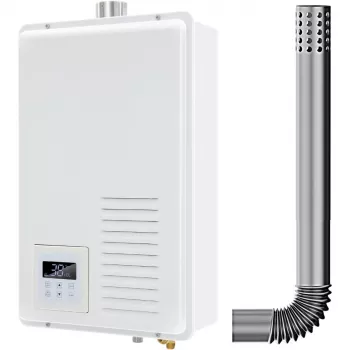
Do tankless water heaters raise your electric bill?
They can, but it depends on the type of tankless unit and how it’s used. An electric tankless water heater typically raises your electric bill because it draws a large amount of power while heating water on demand. A gas or propane tankless heater, however, uses electricity mostly for ignition, controls, and sometimes a fan—so the electric impact is usually small.
Why electric tankless models can cost more to run
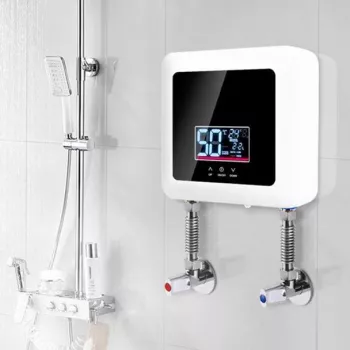
Electric tankless heaters rely on high-wattage heating elements that switch on whenever hot water flows. That means the unit may run often during showers, dishwashing, or laundry, creating noticeable spikes in electricity use. Homes with multiple bathrooms or simultaneous hot-water demands tend to see higher usage because the heater works harder (or multiple units are installed).
Why gas/propane tankless models usually don’t
With propane or natural gas tankless heaters, the fuel does the heavy lifting. Electricity is mainly used to power the control board and ignite the burner, so your electric bill may change only slightly. If the unit is power-vented, the blower can add a bit more electrical use, but it’s still typically modest compared to electric resistance heating.
What really drives cost changes
Bill changes come down to your utility rates, how much hot water your household uses, inlet water temperature (colder water takes more energy to heat), and the unit’s efficiency. In some homes, switching from a traditional electric tank to an electric tankless can lower standby losses but still increase costs if hot water use rises because it feels “endless.”
If you’re comparing propane options—especially for indoor setups and flow-rate sizing—see this guide: 7.4 GPM Indoor Propane Tankless Water Heater Guide.
For Tankless Water Heaters: Will Your Electric Bill Increase?, the best answer depends on fit, material, care instructions, and how the product will be used day to day.
FAQ
Does a tankless water heater save money compared to a tank?
It can, especially with gas/propane models that cut standby heat loss. Savings depend on local energy prices, installation costs, and how much hot water you use daily.












Leave a comment