



Chronograph Watch “Waterproof”: Ratings & Safe Use
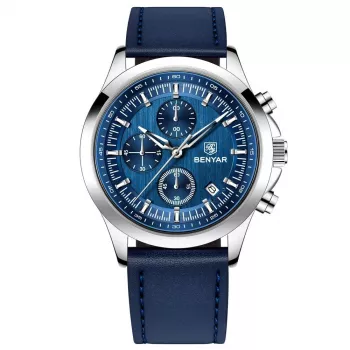
What does “waterproof” mean on a men’s chronograph watch, and what water activities is it safe for?
On most men’s chronograph watches, “waterproof” is used casually, but the practical meaning comes from the watch’s water-resistance rating (often shown as meters, ATM, or bar). In real-world use, no everyday wristwatch is truly “waterproof” forever: seals age, crowns get bumped, and temperature changes can pull moisture past gaskets. Treat “waterproof” as “tested to a specific level of water resistance under controlled conditions.”
A chronograph adds pushers (the start/stop/reset buttons), which are extra openings in the case. Unless the watch is specifically designed for underwater pusher use, pressing chronograph pushers in water can compromise seals and let water in. Always make sure the crown is fully pushed in (or screwed down, if applicable) before any water exposure.
What water activities are typically safe?
Use the rating as a practical guide, then add a safety margin:
- 3 ATM / 30 m: Safe for handwashing, light rain, and everyday splashes. Avoid showering, swimming, or submersion.
- 5 ATM / 50 m: Better splash protection; usually okay for brief exposure like washing a car. Still not ideal for swimming.
- 10 ATM / 100 m: Generally suitable for swimming and surface water sports, provided the crown is secured and pushers aren’t used underwater.
- 20 ATM / 200 m and up: Built for more demanding water use; often appropriate for snorkeling and many dive-adjacent activities (depending on the model’s certification).
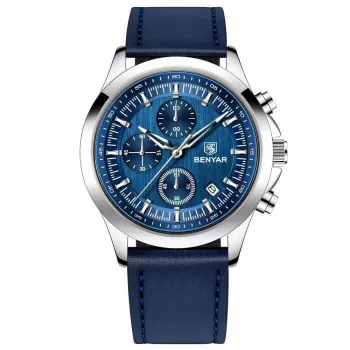
Strap choice matters too. Leather bands can stiffen, crack, or discolor with repeated water exposure, so a water-friendly strap is better for frequent swimming even if the case is rated for it.
For a deeper, watch-specific breakdown of water resistance ratings and chronograph considerations, see the main guide: https://havencia.com/guide-luxury-quartz-chronograph-watch-leather-band-water-resistant/.
FAQ
Can you wear a leather-strap chronograph watch in the shower?
It’s best to avoid it. Hot water, steam, and soaps can weaken seals and quickly damage leather, even if the watch has a water-resistance rating.












Leave a comment