



Fishing a Rapala Floating Minnow: Twitch, Pause, Retrieve
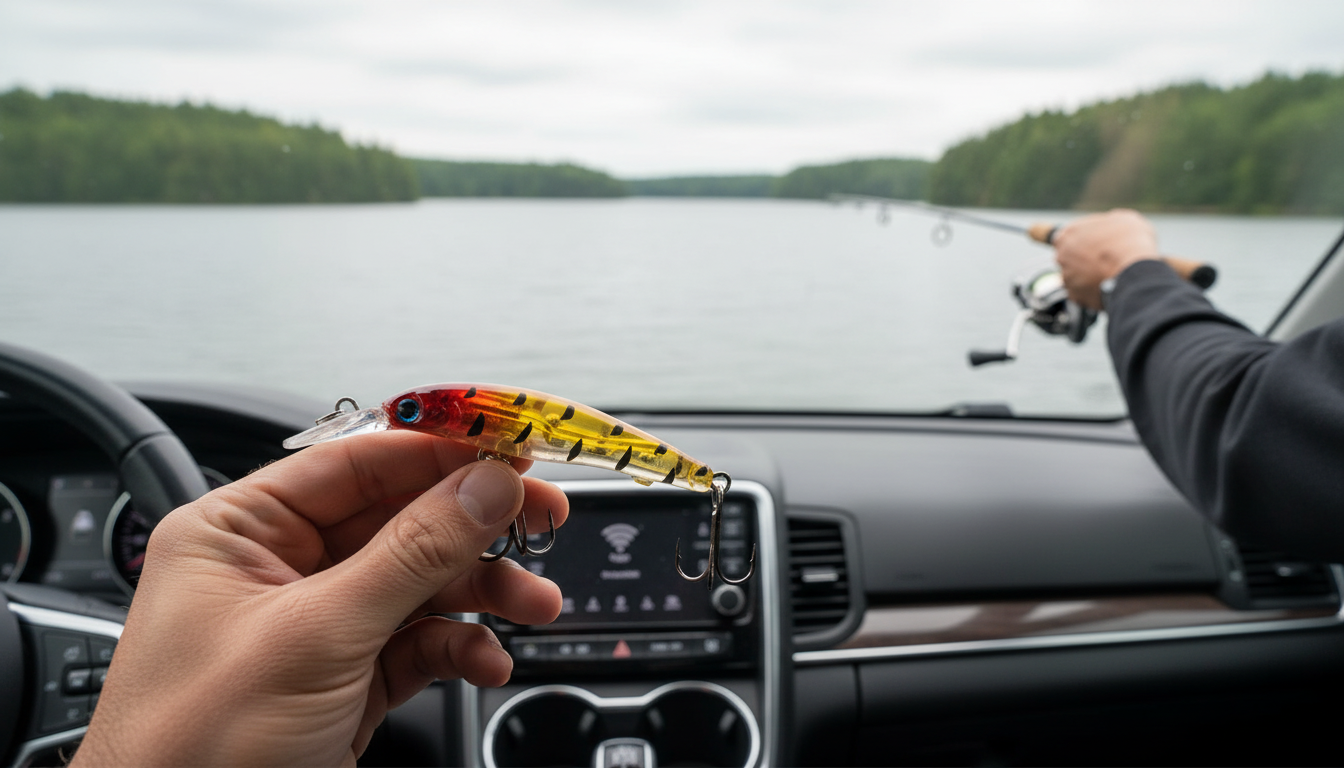
How to fish a Rapala floating minnow?
A Rapala-style floating minnow is built to mimic a small baitfish with a natural wobble, then rise when you pause. That “dive, wiggle, float” cycle is the whole game—especially around shallow cover, edges, and any place predators ambush.
Best ways to work a floating minnow
1) Straight retrieve to find active fish
Cast past the target, point your rod tip slightly down, and reel just fast enough to keep the lure tracking true. If it starts blowing out or rolling, slow down. This simple approach shines along riprap, seawalls, and windy banks where fish are already chasing.
2) Twitch-pause (the classic)
After the lure lands, give it a second to settle, then reel a few turns to get it down. Snap the rod tip with short twitches and pause between them. The pause is often the trigger because the lure rises like a stunned minnow—keep a slight line tension so you can feel the bite before it swims toward you.
3) Stop-and-go for shallow cover
Use a few quick cranks to dive the bait into its working depth, then stop completely. Let it float up and clear grass tops, wood, or rocks, then repeat. This is a clean way to fish tight places without constantly snagging.
Gear, line, and small adjustments that help
A medium to medium-light rod with a responsive tip makes twitching easier and helps keep treble hooks pinned. Many anglers prefer mono or a leader that allows the bait to float naturally; heavier line can reduce depth and action. If fish are slapping at the lure, lengthen pauses and downsize your snaps—subtle changes can turn follows into hookups.
For lure specifics like size, dive behavior, and treble-hook details, see the full guide here: https://havencia.com/guide-70mm-floating-minnow-hardbait-sharp-treble-hooks/.
FAQ
What line is best for a floating minnow hardbait?
Monofilament keeps the bait riding higher and helps preserve the float-up on pauses, while lighter-diameter line generally lets it dive a bit deeper. If you need more sensitivity, braid with a short leader can work, but keep the leader long enough to maintain natural action.












Leave a comment