



Magnetic (Hall Effect) Switches for Gaming: Worth It?

Are magnetic keyboard switches good for gaming?
Yes—magnetic (Hall effect) keyboard switches can be excellent for gaming, especially in fast-paced titles where timing and consistency matter. Instead of relying on physical metal contacts like traditional mechanical switches, they use magnets and sensors to detect key travel. That design can translate into smoother actuation, less wear from contact friction, and performance-focused features that are hard to replicate on standard boards.
Why gamers like magnetic (Hall effect) switches
The biggest advantage is adjustable actuation. Many Hall effect keyboards let you set how far a key must travel before it registers—shallow for rapid inputs or deeper to reduce accidental presses. On compatible models, “rapid trigger” can reset the key the moment you start releasing it, allowing faster repeated inputs for movement, strafing, and quick skill taps.
How they compare to common mechanical switches
Traditional linear, tactile, and clicky mechanical switches have a fixed actuation point and reset distance. Magnetic switches can feel similarly smooth (often like a linear switch), but their sensing can be tuned. For competitive play, that tuning can provide a measurable edge in responsiveness, while for casual play it can simply feel more precise and consistent.
Potential downsides to know
Not every magnetic keyboard is the same. The best experience depends on firmware quality, software stability, and how well the keyboard implements features like per-key actuation and rapid trigger. Some players also need time to adjust—ultra-sensitive settings can cause misinputs until you dial in a comfortable actuation depth. Price can be higher than entry-level mechanical boards, too.
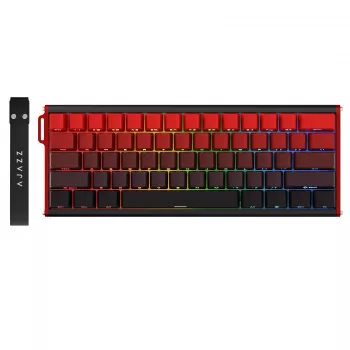
If you’re considering a compact gaming setup, see this deeper guide to Hall effect performance features (including rapid trigger and 60% layouts): https://havencia.com/guide-60-percent-wired-hall-effect-keyboard-rapid-trigger/.
For Magnetic (Hall Effect) Switches for Gaming: Worth It?, the best answer depends on fit, material, care instructions, and how the product will be used day to day.
FAQ
Do Hall effect keyboards need special software?
Many do, especially if you want adjustable actuation or rapid trigger. Basic typing usually works plug-and-play, but fine-tuning performance typically requires the manufacturer’s app.












Leave a comment