



Green Rabbit Ceramic Cat Bowl: Floral, Non-Slip Angle
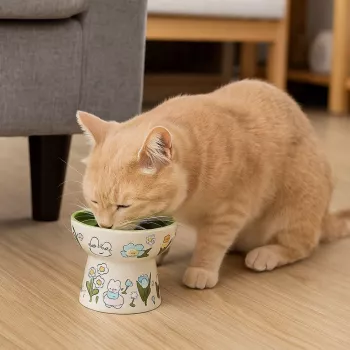
Green Rabbit Ceramic Cat Bowl with Flower Pattern and Non-Slip Diagonal Design
A cat bowl can be more than a dish on the floor—shape, weight, and surface finish all influence comfort, cleanliness, and daily routine. The Green Rabbit Ceramic Cat Bowl with Flower Pattern and Non-Slip Diagonal Design blends a playful rabbit accent with a floral motif, plus a diagonal, non-slip design intended to reduce sliding and help keep feeding areas tidier. For homes where the feeding station sits in plain view (kitchens, dining nooks, pet corners), the decorative look matters just as much as everyday practicality.
Quick look: what makes this bowl different
- Ceramic construction adds weight for stability and a smooth surface for easier cleaning.
- Rabbit detail and flower pattern bring a decorative touch that suits visible feeding stations.
- Diagonal, non-slip design aims to reduce bowl movement on smooth floors.
- Versatile use for dry food, wet food, or water depending on routine and portion size.
- Helpful for “pushers”—cats that nudge or scoot dishes while eating.
Design and comfort at mealtime
Many cats approach meals with enthusiasm, and a lightweight bowl can quickly become a moving target. A bowl that stays put helps reduce “chasing the dish,” which can cut down on scattered kibble, tipped water, and frantic eating behavior that sometimes shows up when food slides away with every bite.
The diagonal, non-slip feature is designed to improve grip against common surfaces like tile, sealed wood, and laminate. While no bowl is truly spill-proof in every scenario, added traction and a steadier footprint can make everyday feeding feel calmer—especially for cats that hook food with their teeth and pull backward.
Comfort also comes down to geometry. A slightly angled profile can make it easier for some cats to reach the last bits of food without pushing their face deep into the bowl. Whisker sensitivity varies from cat to cat, but a design that doesn’t force constant whisker contact against steep sides can be a nice quality-of-life upgrade in daily routines.
Material benefits: why ceramic is a popular choice
Ceramic remains a favorite for cat bowls because it balances sturdiness, hygiene, and ease of care. When properly glazed, non-porous ceramic can help resist odor retention compared to some plastics, and it’s typically straightforward to wash thoroughly after wet food meals.
- Stability from weight: Heavier bowls tend to stay in place and are less likely to tip during energetic meals.
- Smooth, glazed finish: Often easier to rinse clean and less likely to hang on to residue.
- Hygiene support: A cleanable surface matters for water bowls and wet food, where buildup can happen quickly.
- Temperature feel: Ceramic can help keep food cooler for a bit longer in warm rooms compared with very thin materials (results vary by environment).
As with any ceramic dish, it’s smart to inspect periodically for chips or cracks. If the glaze is compromised, replace the bowl to avoid sharp edges and to keep sanitation simple.
Care, cleaning, and placement tips
A great-looking bowl still needs easy upkeep. Consistent cleaning reduces residue, odors, and the “sticky ring” that can form under bowls in busy feeding areas.
- Wash frequently: Daily for water bowls, and after each wet-food meal to reduce buildup.
- Use mild soap: Warm water and a gentle dish soap work well; rinse thoroughly to remove any soap film.
- Dry before refilling: Drying helps prevent slick moisture under the bowl and keeps the area neater.
- Use a washable mat: Especially on carpet or near baseboards to catch crumbs and splashes.
- Replace if damaged: Avoid using a chipped bowl; cracks can harbor residue and may worsen over time.
For broader food safety habits—like keeping scoops clean and storing pet food properly—refer to the FDA’s guidance on safe handling of pet food and treats.
Choosing the right bowl for your cat (and your home)
Bowl features and who they help most
| Feature | Best for | What to look for |
|---|---|---|
| Non-slip base/shape | Cats that slide bowls around | Grip that holds on smooth floors; stable footprint |
| Ceramic weight | Messy eaters and tip-prone setups | A bowl that feels sturdy when nudged |
| Smooth glazed surface | Wet food and water use | Easy rinse; no lingering odors after washing |
| Wide eating area | Cats that dislike whisker pressure | More open top and gentle side walls |
If you’re fine-tuning your overall cat care routine (hydration, nutrition, and stress reduction), reputable references like the American Veterinary Medical Association (AVMA) pet owner resources and the ASPCA pet care guidance can be helpful for general best practices.
Product details and where to get it
The Green Rabbit Ceramic Cat Bowl with Flower Pattern and Non-Slip Diagonal Design is suited for daily meals, treat servings, or water depending on your household routine. Its rabbit accent and flower pattern pair naturally with bright kitchens, plant-themed décor, or playful pet corners—so the feeding spot can look intentional instead of cluttered.
More in-stock finds for pet-friendly spaces
- elegant-art-deco-inspired-crystal-branch-chandelier-for-dining-room (a style-forward option for dining areas where pet stations are visible)
- Vintage Leather Bracelet for Men with Stainless Steel Magnetic Clasp – Trendy Bangle for Fashion & Parties (an easy gift pick for a devoted pet parent)
- Men’s Luxury Chronograph Quartz Watch with Leather Band & Waterproof Features (a durable, everyday accessory option)
FAQ
Can rabbits and cats love together?
Yes, some can coexist peacefully with careful introductions, supervision, and separate safe spaces. Compatibility depends on the individual animals’ temperaments and the cat’s prey drive, so slow, controlled interactions are essential.
Can a rabbit and a cat have children?
No. Cats and rabbits are different species and cannot produce offspring together.
What is a cat rabbit called?
It’s usually a playful nickname (sometimes “cabbit”), not a real biological hybrid. In reality, a cat and a rabbit cannot create a true mixed-species offspring.










Leave a comment