



Drying Station for Knives & Utensils: Cleaner Counters
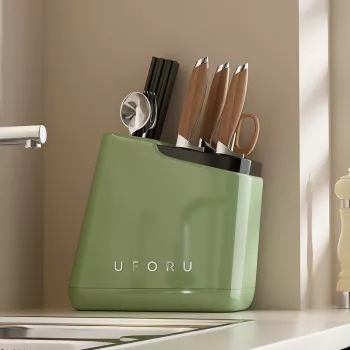
Cleaner Counters, Safer Tools: Why a Multi-Functional Drying Station Helps
A compact drying station can make a noticeable difference in everyday kitchen flow. Instead of spreading wet utensils across the counter—or dropping sharp knives into a crowded dish rack—a multi-functional rack that combines knife slots, utensil compartments, and a draining base creates one consistent “landing zone” from wash to dry to put-away. The result is less clutter near the sink, fewer accidental nicks from loose blades, and a routine that’s easier to reset after each meal, especially in smaller kitchens.
Why a combined knife-and-utensil drying rack changes daily workflow
- Keeps frequently used tools in one place: knives, spoons, spatulas, tongs, and small gadgets.
- Encourages air-drying after washing, helping reduce towel use and lingering moisture on counters.
- Creates a defined “clean tools zone” that’s easy to reset after cooking.
- Supports safer storage by separating blades from loose utensils and reducing accidental contact.
- Useful for apartments, dorm-style kitchens, RVs, and any setup with limited drawer space.
When your cleaning area has a clear endpoint (rinse, place in rack, let air-dry), it’s easier to keep the sink clear and avoid the “wet pile” that slows down the next step of cooking.
What to look for in a multi-functional drying rack (features that matter)
- Drainage design: A sloped base or drip tray that channels water away from tools and off the counter.
- Knife slot spacing: Enough separation to prevent blades from touching and to fit different knife widths.
- Utensil capacity: Deep compartments that keep long handles upright without tipping.
- Ventilation: Open sides or gaps that allow airflow to speed drying and reduce odor buildup.
- Non-slip stability: Grippy feet or a wide base to prevent sliding when removing knives.
- Easy-to-clean parts: A removable drip tray or base that can be rinsed quickly.
- Material considerations: Corrosion-resistant surfaces and smooth edges that don’t trap residue.
Good racks are designed to manage water as much as they manage tools. If the base catches drips but is hard to clean, it can become the very mess you were trying to avoid.
At-a-glance comparison: single-purpose holders vs. multi-functional drying racks
Many kitchens rely on a mix of containers—knife blocks, utensil crocks, and a dish rack near the sink. That setup can work, but it often spreads wet tools across multiple spots and leaves gaps in safety (like a sharp knife resting loosely in a dish rack). A combined rack streamlines the “wash and dry” step without requiring extra counter space.
Common storage options and practical trade-offs
| Option | Best for | Limitations |
|---|---|---|
| Knife block | Storing knives dry and protected | Doesn’t organize wet utensils or capture drips |
| Utensil crock/canister | Quick access to cooking tools | Can trap moisture at the bottom; blades may mix with handles |
| Standard dish rack | Air-drying plates, bowls, and cups | Knife storage may be awkward or unsafe; utensils can scatter |
| Multi-functional knife & utensil drying rack | Drying and organizing knives plus utensils in one station | Needs occasional tray cleaning; capacity varies by model |
Using the rack day to day: placement, loading, and drying habits
- Place it with intention: Keep it near the sink for easy loading, but away from heavy splashes that can re-wet tools or fill the drip area too quickly.
- Maintain airflow: Leave a little clearance around the rack so moisture can evaporate efficiently.
- Load knives safely: Use the slots as intended. If the rack is designed for blade-down loading, keep handles accessible and make sure each knife is stable before letting go.
- Separate sharps: Keep sharp knives in their own slots and utensils in compartments to reduce accidental cuts when unloading.
- Avoid tight stacking: Spacing tools helps them dry faster and prevents trapped water between surfaces.
- Use compartments strategically: Reserve one section for small tools (peelers, shears, measuring spoons) so they don’t get lost among long-handled utensils.
Cleaning and hygiene: keeping moisture under control
For broader kitchen hygiene practices—especially around cleaning and sanitizing food-contact areas—reference guidance from the USDA Food Safety and Inspection Service and the CDC’s cleaning recommendations. Keeping moisture and residue under control is a practical way to prevent buildup and keep your sink area feeling fresh.
Making a kitchen more functional with smart zones (prep, cook, clean)
Even with a small counter, zoning helps you move efficiently between tasks. Kitchen planning resources like the National Kitchen & Bath Association (NKBA) guidelines emphasize designing around workflow—your countertop setup can follow the same logic.
Product spotlight: Multi-Functional Kitchen Knife & Utensil Drying Rack
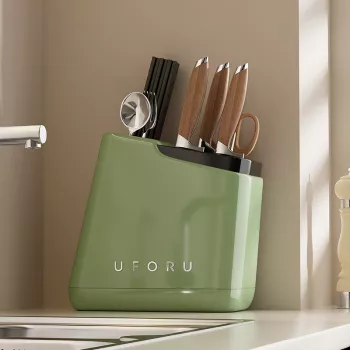
If you want one station that handles both sharp tools and everyday utensils after washing, the Multi-Functional Kitchen Knife & Utensil Drying Rack is designed to consolidate storage and support air-drying in a single footprint. It’s especially useful when drawers are limited, when knives need safer separation, or when you’re trying to keep the sink area clear for the next round of prep.
More home upgrades to complement a cleaner, calmer space
- elegant-art-deco-inspired-crystal-branch-chandelier-for-dining-room
- Men’s Luxury Chronograph Quartz Watch with Leather Band & Waterproof Features
FAQ
What is considered a functional kitchen?
A functional kitchen supports easy movement and clear zones for prep, cooking, and cleaning, with storage placed near where items are used. Good lighting, accessible surfaces, and organizers that reduce clutter all help the kitchen feel simpler to use and easier to maintain.
What is the most functional kitchen design?
The most functional design depends on your space and how you cook, but efficient layouts typically keep the sink, prep area, and cooktop in a convenient flow. Galley, L-shape, and U-shape kitchens can all work well when storage and work surfaces are positioned near their point of use.











Leave a comment