



Isamu Noguchi & the Iconic Japanese Coffee Table
Who is the famous Japanese designer coffee table?
The most famous Japanese designer associated with an iconic coffee table is Isamu Noguchi. His celebrated Noguchi Coffee Table (often called the “Noguchi table”) is a mid-century modern staple recognized for its sculptural, organic shape and minimalist elegance.
Why Isamu Noguchi’s coffee table is so well known
Noguchi approached furniture like sculpture. The classic design pairs a thick glass top with a curved wooden base that locks together to create a balanced, floating look. It’s instantly recognizable, works with a wide range of interiors, and feels both artistic and functional—one reason it has stayed relevant for decades.
Because the silhouette is so distinctive, many brands and makers have produced look-alikes over the years. Authentic versions are prized not only for their design pedigree, but also for their materials, craftsmanship, and collectibility.
How it compares to other statement coffee-table styles
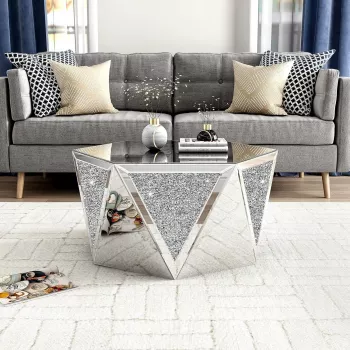
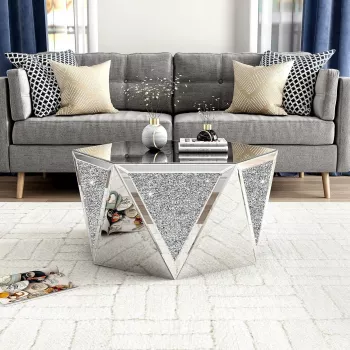
If the Noguchi table is known for softness and organic curves, other standout coffee-table trends lean into geometry and reflectivity. Hexagon mirrored coffee tables, for example, create a faceted, light-catching centerpiece that feels glamorous and architectural—especially when paired with crystal-like inlays or mirrored panels.
For a deeper look at that style, including what to consider when choosing a mirrored, geometric statement table, visit this guide: https://havencia.com/blog/guide-hexagon-mirrored-coffee-table-crystal-inlay/.
What to look for when shopping a “Noguchi-style” coffee table
If the original is out of reach, many shoppers choose a Noguchi-inspired table for the same airy profile. Pay attention to the thickness and clarity of the glass, the stability of the base, and the smoothness of the wood finish. Even small differences in curvature and joinery can change how refined the piece looks in a room.
FAQ
How to tell a real Noguchi coffee table?
Check for authentic manufacturer markings and documentation, and compare the base shape, wood finish, and glass thickness to verified examples. Originals typically show precise joinery, consistent proportions, and high-quality materials that feel stable and carefully finished.









Leave a comment