



Stop Snoring Tonight: 7-Night Reset for Quieter Sleep
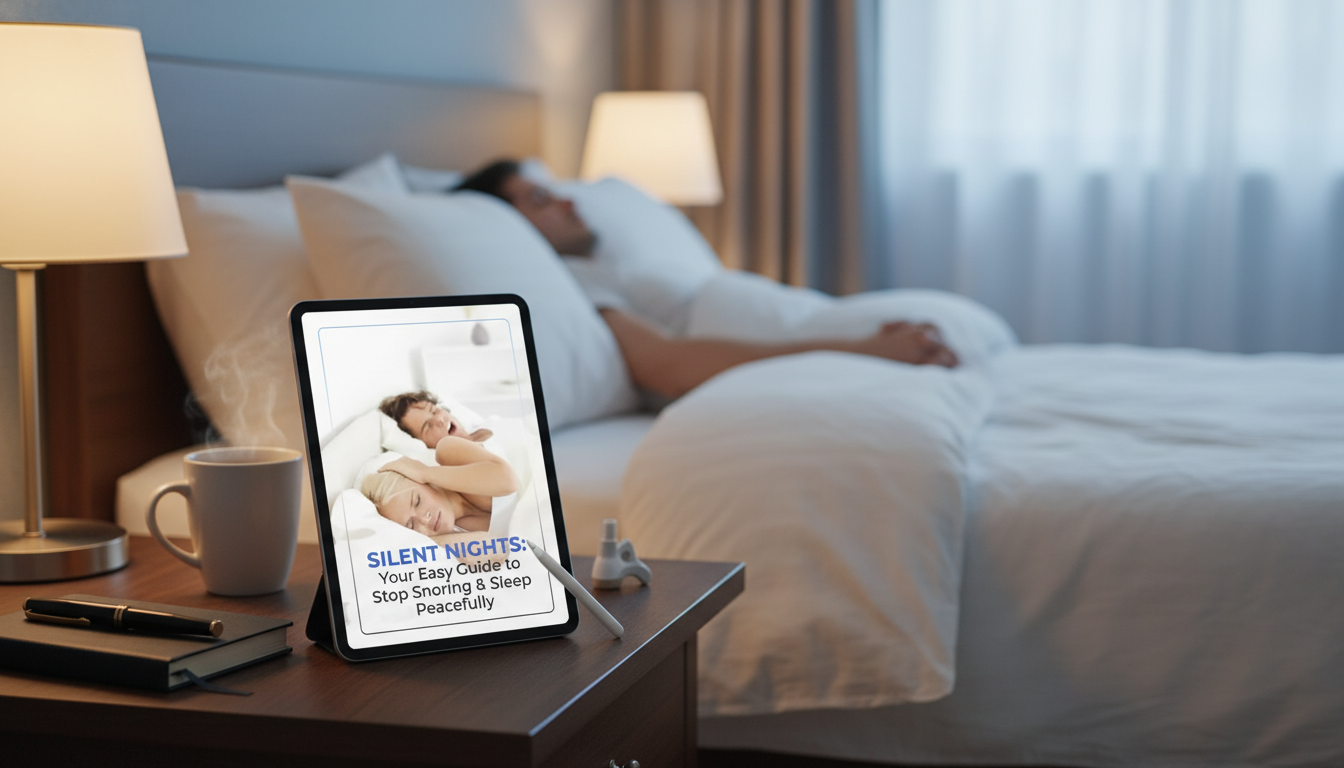
Silent Nights: A Practical Plan to Stop Snoring and Sleep Peacefully
Snoring can come from blocked nasal airflow, relaxed throat tissues, sleep position, alcohol, allergies, or underlying conditions that deserve medical attention. The goal isn’t just a quieter room—it’s steadier breathing, deeper sleep, and a routine that’s easy to stick with. Below is a clear, step-by-step approach to identify likely causes, try safe at-home adjustments, and know when it’s time to talk with a clinician.
What Snoring Really Is (and Why It Gets Loud)
Snoring happens when airflow is partially blocked and soft tissues in the nose or throat vibrate during sleep. That vibration can get louder when the airway gets narrower—think congestion, a relaxed tongue, or throat tissues that “flop” more when you’re deeply asleep.
Common contributors include nasal congestion, a deviated septum, enlarged tonsils, relaxed tongue/throat muscles, sleeping on the back, alcohol or sedatives, and weight changes. Occasional snoring is common; frequent, disruptive snoring can be a sign of sleep-disordered breathing and is worth taking seriously.
A Quick Self-Check: When to Get Medical Help
Home adjustments can help many people, but certain patterns deserve prompt evaluation. Seek medical guidance if you notice pauses in breathing, choking or gasping, morning headaches, high blood pressure, extreme daytime sleepiness, or snoring that worsens quickly.
If a partner notices repeated breathing stops, it can help to record a short audio clip and note your sleep position, alcohol intake, and congestion level that night. Children who snore regularly should be assessed by a pediatric clinician, especially if there are behavioral, attention, or school-performance changes.
Rule of thumb: if snoring affects safety (like drowsy driving) or health (poor sleep, irritability, mood changes), don’t rely on home fixes alone. For more background on causes and treatment options, see Mayo Clinic’s overview of snoring and the American Academy of Sleep Medicine’s information on obstructive sleep apnea.
Common Triggers and Practical Fixes (Fast Wins)
Many snoring triggers have “tonight” solutions that are low-risk and easy to test:
- Nasal blockage: Try a saline rinse, a warm shower or steam before bed, allergy control, and bedroom humidity that’s comfortable (not damp).
- Dry air and mouth breathing: Hydrate earlier in the day, practice nasal breathing while awake, and address congestion rather than forcing your mouth closed overnight.
- Alcohol close to bedtime: Reduce or avoid alcohol within 3–4 hours of sleep; it relaxes airway muscles and can increase vibration.
- Sleep deprivation: Keep a consistent schedule. When you’re overtired, muscles can relax more deeply and snoring can worsen.
- Back sleeping: Side-sleeping reduces airway collapse for many people.
Snoring triggers and what to try tonight
| Trigger | What it can do | Try this first | If it keeps happening |
|---|---|---|---|
| Stuffy nose/allergies | Narrows nasal airflow and increases turbulence | Saline rinse + allergen reduction in bedroom | Discuss allergy treatment or structural issues with a clinician |
| Back sleeping | Tongue and soft palate fall back, narrowing the airway | Side-sleep setup (pillow support, positional techniques) | Consider evaluation if loud snoring persists in any position |
| Alcohol/sedatives | Further relaxes throat muscles | Move last drink earlier or skip | Talk with a clinician if medication timing or dosing may affect breathing |
| Weight change | Can increase tissue around the airway | Gentle, sustainable plan (activity, nutrition, sleep schedule) | Request screening if symptoms suggest sleep apnea |
| Late heavy meals/reflux | Can irritate airway and disrupt breathing | Earlier lighter dinner; elevate head slightly | Ask about reflux management if frequent |
A 7-Night Reset Plan (Simple, Trackable, Repeatable)
This one-week reset is designed to be realistic: small changes, added in layers, so you can tell what actually helps.
- Night 1–2: Set a consistent sleep and wake time. Reduce late alcohol. Do 5 minutes of nasal clearing (saline rinse or warm shower/steam).
- Night 3–4: Commit to side sleeping. Use a pillow behind your back or a body pillow to keep your position stable.
- Night 5: Do a quick bedroom check: cool, dark, quiet, and allergen-aware (wash bedding hot; keep pets out if needed).
- Night 6: Add a wind-down routine (screen dimming, gentle breathwork, low light) to reduce arousals that can worsen snoring.
- Night 7: Review what changed—position, congestion, alcohol timing, bedtime consistency. Keep the top two habits that made the biggest difference.
Breathing, Mouth, and Throat Habits That Support Quieter Sleep
Snoring often has a mechanical component—how air flows and how well airway muscles hold their shape. Helpful habits include:
Making the Bedroom Snore-Resistant (Without Overhauling Everything)
Silent Nights Digital Guide: A Clear Routine for Fewer Noisy Nights
Silent Nights: Your Easy Guide to Stop Snoring and Sleep Peacefully (Digital Guide) is built for people who want a structured, practical approach rather than random tips. It focuses on identifying likely triggers, applying step-by-step changes, and keeping what works.
How to Use the Guide for the Best Results
More Digital Downloads Available
- Spot AI Hallucinations Fast Checklist | Digital Download Guide
- The Anxiety-Sensitive Motivation Checklist: 15 Gentle Power Moves for Parents of Teens
FAQ
Why do some people snore only when sleeping on their back?
When you sleep on your back, gravity can pull the tongue and soft palate backward, narrowing the airway and increasing vibration. Side-sleeping plus supportive pillows to stabilize your position reduces snoring for many people.
Can allergies or a stuffy nose make snoring worse?
Yes—nasal congestion narrows airflow and increases turbulence, which can make snoring louder and more frequent. Saline rinses and allergen control can help, and persistent congestion is worth discussing with a clinician.
When is snoring a sign of sleep apnea?
Red flags include breathing pauses, choking or gasping, severe daytime sleepiness, morning headaches, and high blood pressure. If these occur, get screened and don’t rely on home tips alone.













Leave a comment