



Measure Your Pet for the Perfect Bed Size & Shape
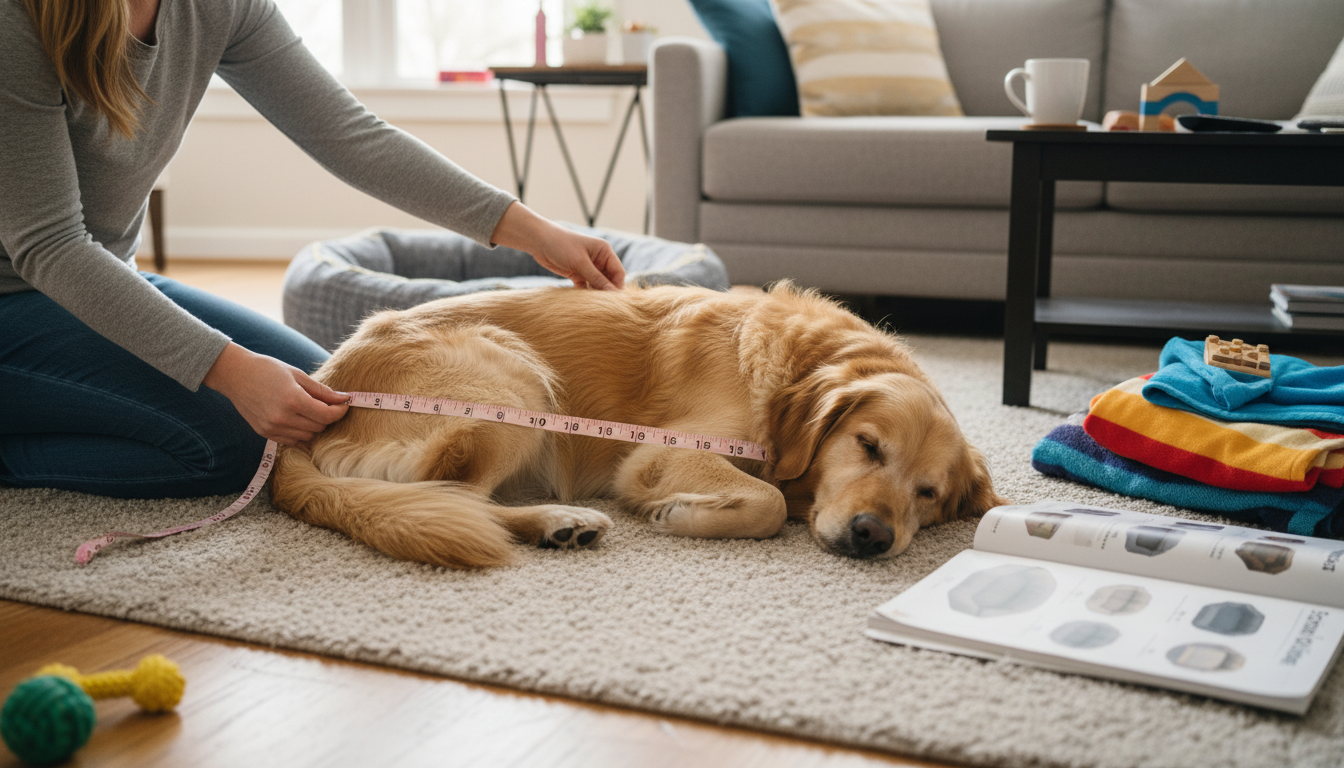
How do I measure my pet to choose the right bed size and shape?
Answer
Getting the right bed size starts with measuring your pet the way they actually rest—then comparing those numbers to the bed’s interior sleeping area (not just the outside dimensions). Grab a soft tape measure (or a string plus a ruler) and measure when your pet is calm, standing naturally, or resting in a familiar spot.
1) Measure your pet’s length
Measure from the tip of the nose to the base of the tail (where the tail meets the body). If your pet often sleeps fully stretched out, also note the nose-to-tail-tip length so you can choose a bed that won’t feel cramped.
2) Measure your pet’s “sleeping width”
For pets that curl up, measure across the widest point of their body while they’re in a relaxed curl (often shoulders/hips). For pets that sprawl, estimate the space they take up from side to side in their most common lounging pose.
3) Add comfort room (not too much)
Add about 4–8 inches to the length measurement for most pets so they can shift positions without ending up on the edge. If your pet loves to curl tightly, you can stay closer to the lower end; if they stretch out, lean toward the higher end.
4) Match measurements to bed shape
Choose the shape based on posture: round or oval beds tend to suit curlers, while rectangular beds usually work better for stretchers. If the bed has bolsters/raised sides, check the listed interior dimensions—bolsters reduce usable space and may require sizing up.
5) Double-check height and entry
If your pet is small, older, or hesitant with tall edges, make sure the entry is low enough for easy step-in. Also confirm the bed’s weight rating (if provided) so it stays supportive and stable.
For additional tips on choosing a cozy, plush option and what to look for in materials and design, see this guide: https://havencia.com/guide-fluffy-plush-pet-bed-cats-small-dogs-buying-tips/.
FAQ
Should I size up if my pet is between sizes?
Yes—if your pet is between sizes, sizing up is usually safer, especially for pets that sprawl or change positions often. Check the interior sleeping area to ensure the larger size won’t feel too tight once bolsters or padding are factored in.











Leave a comment