



Fluffy Plush Pet Bed for Cats & Small Dogs: Buying Tips
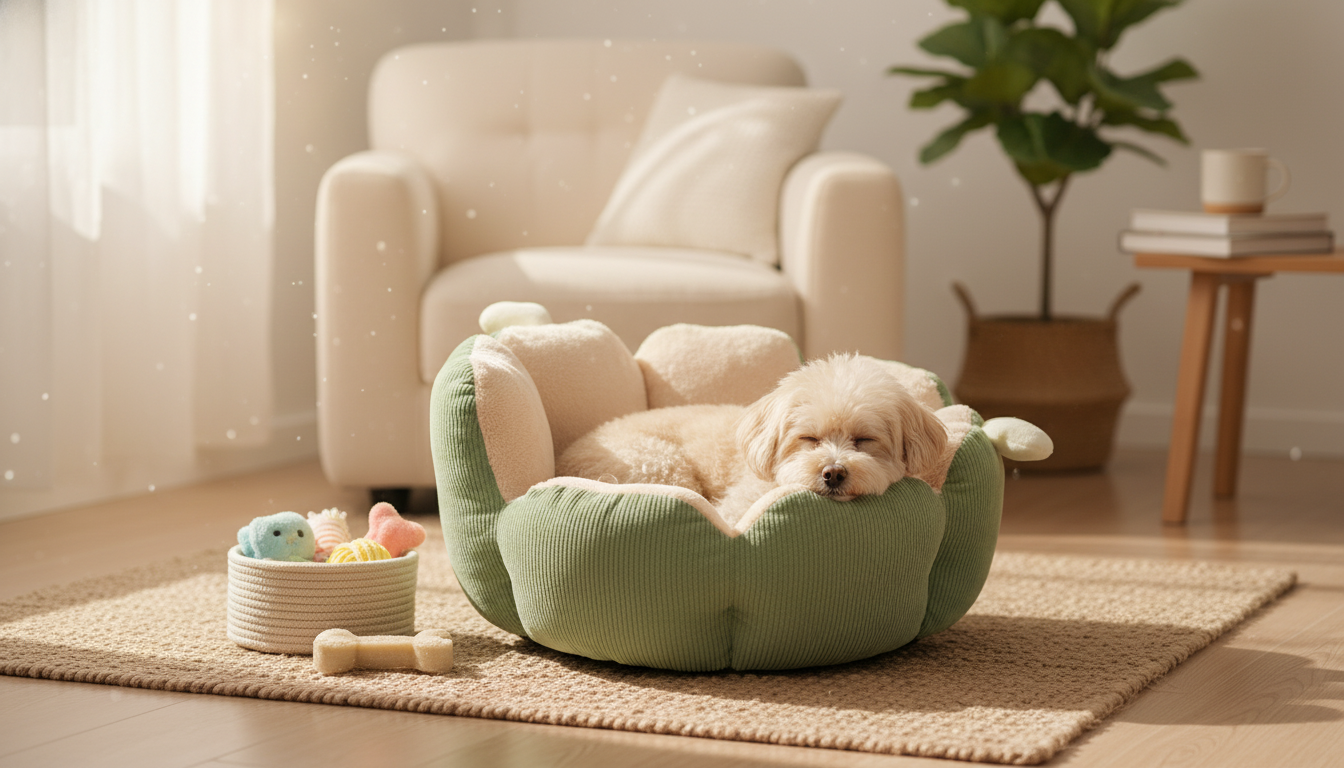
Fluffy Plush Pet Bed for Cats and Small Dogs: A Cozy Spot for Better Rest
Soft, supportive bedding can make a noticeable difference in day-to-day comfort—especially for cats and small dogs that nap often or seek warm, enclosed spaces. A fluffy, plush bed offers an inviting surface, a bit of insulation from cool floors, and a familiar place to settle when the home feels busy. Below are practical tips for choosing the right style and fit, plus simple ways to keep a plush bed clean and fresh.
Why a Plush, Fluffy Bed Helps Cats and Small Dogs Settle Faster
Many pets relax more quickly when their resting spot feels warm and secure. Plush textures encourage them to stay put, which can be especially helpful for easily startled pets or those adjusting to a new routine.
- Warmth and softness: A cozy pile helps pets unwind and encourages longer, calmer naps.
- Raised edges: Bolsters can create a den-like feel for curlers and “tuck-the-nose” sleepers.
- A consistent resting place: A dedicated bed can reduce couch/bed takeovers and support a calmer daily rhythm.
- Gentle cushioning: Plush loft adds comfort during colder months or in air-conditioned rooms.
Highlights to Look For in a Fluffy Plush Bed
Not all fluffy beds feel the same once a pet settles in. A few construction details can make the difference between a bed that gets used daily and one that gets ignored.
- Plush sleep surface: Look for a soft pile that feels inviting and helps retain warmth.
- Supportive fill: Enough loft to cushion without feeling like the pet “bottoms out.”
- Bolstered perimeter: A comfortable rim can work as a headrest and add a sense of security.
- Stable base: Less sliding on smooth floors; if needed, place the bed on a rug for extra grip.
- Easy-care design: Simple cleaning helps keep odors, dander, and fur under control.
Sizing and Fit: Getting the Right Bed for Your Pet’s Sleep Style
Fit influences whether a bed feels safe and cozy or awkward and exposed. Start with a quick measurement, then match size to how your pet naturally rests.
- Measure while lying down: Measure from nose to base of tail; add a few inches for pets who stretch.
- Match the posture: Curlers often prefer a snug bed with supportive sides, while sprawlers do better with more inner space.
- If between sizes: Go larger for pets that sprawl; go snugger for cats that prefer a “nest.”
- Consider entry style: Older pets may prefer a slightly lower rim or an easy step-in design.
Quick sizing checklist
| Pet profile | Typical sleep posture | What to prioritize | Common fit mistake |
|---|---|---|---|
| Small cat | Curled with head tucked | Snug nest + raised rim | Choosing too large so it feels exposed |
| Small dog (compact) | Curled or half-sprawl | Balanced rim + roomy center | Bed too small for turning around |
| Small dog (sprawler) | Full sprawl | Wider inner cushion | High rim that crowds the sleep surface |
| Anxious pet | Burrow/curl | Enclosed feel + plush warmth | Open, flat mat that doesn’t feel secure |
Where to Place the Bed for the Most Use
Even the coziest bed may get skipped if it’s in a drafty or noisy area. Placement can help the bed become a go-to spot instead of an occasional perch.
- Pick a quiet corner: Keep it away from heavy foot traffic and loud appliances.
- Stay near the action (if preferred): Some pets rest best near family spaces, as long as they won’t be disturbed.
- Avoid direct drafts: Keep it away from vents and exterior doors so the bed stays comfortably warm.
- Multi-pet homes: Offer separate resting spots to reduce tension and protect personal space.
For broader home-safety and comfort tips, see the ASPCA guidance on creating supportive pet spaces: https://www.aspca.org/pet-care/general-pet-care.
Care and Cleaning: Keeping Plush Beds Fresh
Plush fibers can trap hair and dander, so a small routine goes a long way. Regular upkeep also helps the bed stay inviting instead of developing lingering odors.
Who This Style of Bed Tends to Suit Best
If you’re still deciding what fits your household best, the AVMA offers a helpful overview of pet considerations and care planning: https://www.avma.org/resources-tools/pet-owners/petcare/selecting-pet.
Product Options
- Fluffy Plush Pet Bed for Cats and Small Dogs — a soft, cozy resting spot designed for pets that enjoy plush warmth and a nest-like feel.
- Cute Korean Dog Hoodie – Three Little Bears Fleece Pet Sweatshirt — a warm fleece layer that can be useful in cooler rooms, especially for pets that like to stay cozy while lounging nearby.
FAQ
How do pets usually adjust to a new bed?
Most pets adjust best when the bed is placed in a familiar, quiet spot. Adding a favorite blanket or a worn T-shirt with a familiar scent can help, and it’s usually more effective to reward calm investigation than to force use.
Is a fluffy bed a good choice for pets that shed a lot?
Yes, as long as you plan for easy upkeep. Brush the surface frequently, use a washable blanket on top, and remove hair between washes so the plush stays inviting.
What if my pet chews bedding?
Supervise early use and remove loose accessories that could be torn off and swallowed. Provide appropriate chew toys and consider switching to a more chew-resistant option if chewing continues; consult a vet or trainer if the behavior seems persistent or compulsive.











Leave a comment