



Slow Motion Effects in Photos: Freeze or Blur Action
How to slow motion in photos?
A single photo can’t truly be “slow motion” the way a video can, but it can deliver the same feel: time stretched, movement emphasized, and action isolated. The trick is choosing a method that fits the moment—either turning motion into a crisp frozen instant or creating artistic blur that suggests movement across time.
1) Freeze action with a fast shutter speed
If the goal is a sharp, dramatic “paused-in-time” look (think confetti mid-air or hair flips), use a faster shutter speed. On a camera, start around 1/500 for moderate action and 1/1000 or faster for fast movement. Add light (or raise ISO) to keep the image bright. Many smartphone “Sports” or “Action” modes do this automatically.
2) Create motion trails with a slow shutter speed
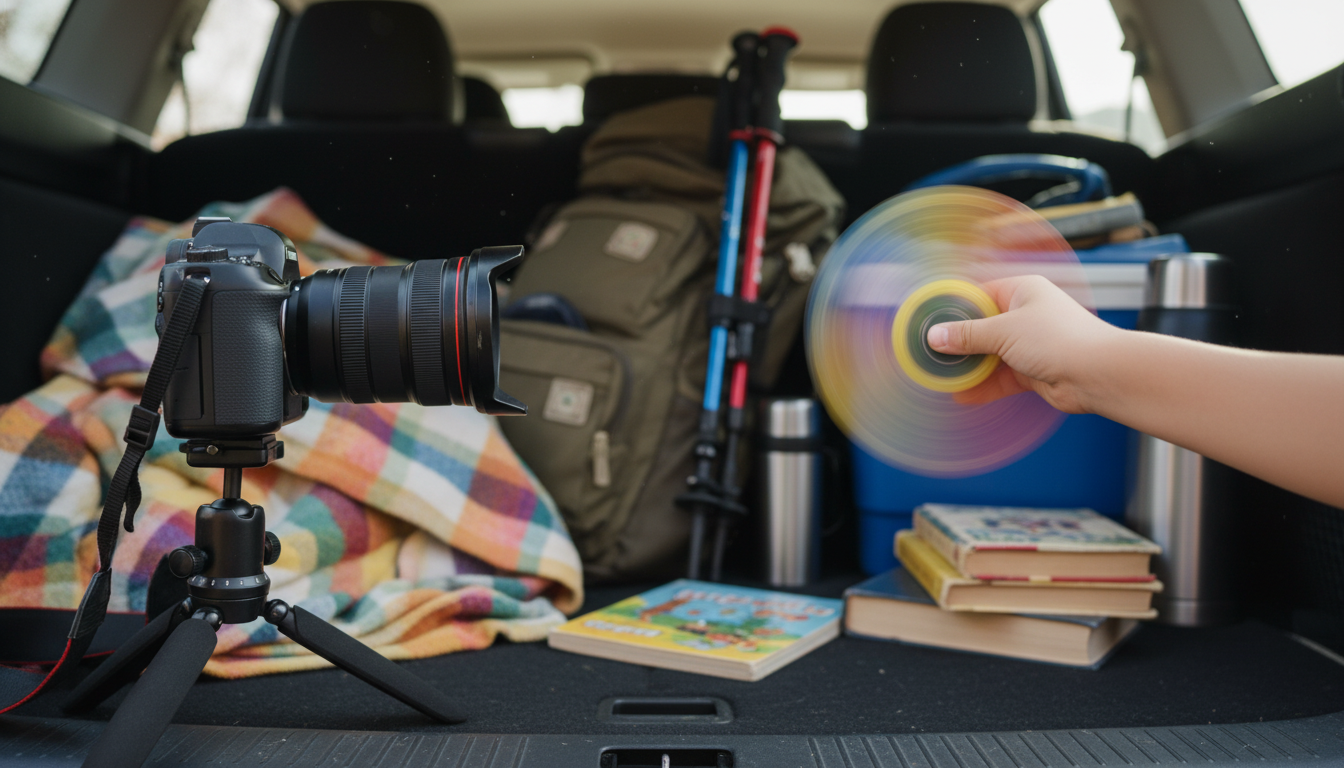
If “slow motion” means showing a sweep of movement—glowing light trails, blurred hands, swirling dresses—use a slower shutter speed like 1/15 to 1 second. Stabilize the camera with a tripod (or steady surface). For a subject that stays sharp while the background blurs, try panning: follow the moving subject during the exposure.
3) Use burst/Live Photo and pick the best moment
Burst mode (or Live Photos on iPhone) captures a rapid sequence of frames. You can select the frame where motion looks most “stretched” or cinematic—like the peak of a jump—without needing perfect timing. It’s an easy way to get that slow-motion vibe from a single standout frame.
4) Convert short video to “slow-motion style” stills
When timing is tough, record a short clip (regular or slow-mo), then export a frame as a photo. This is especially helpful for fast actions like spins, pops, sprays, or product reveals.
5) Try a slow-motion photo booth experience
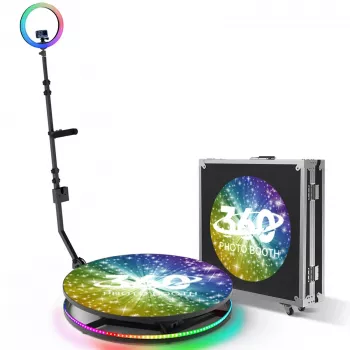
For events and branded moments, slow-motion photo booths capture high-frame-rate clips designed for dramatic playback, then deliver shareable outputs. For a deeper breakdown of how it works and when it shines, see this slow-motion photo booth guide.
FAQ
What shutter speed should I use to capture motion blur on purpose?
Start around 1/15 to 1/4 second for people-moving blur and adjust from there. Use a tripod, then lengthen the exposure until the blur looks intentional rather than shaky.











Leave a comment