



No-Fuss One-Pan Comfort Pack for Cozy Weeknight Dinners
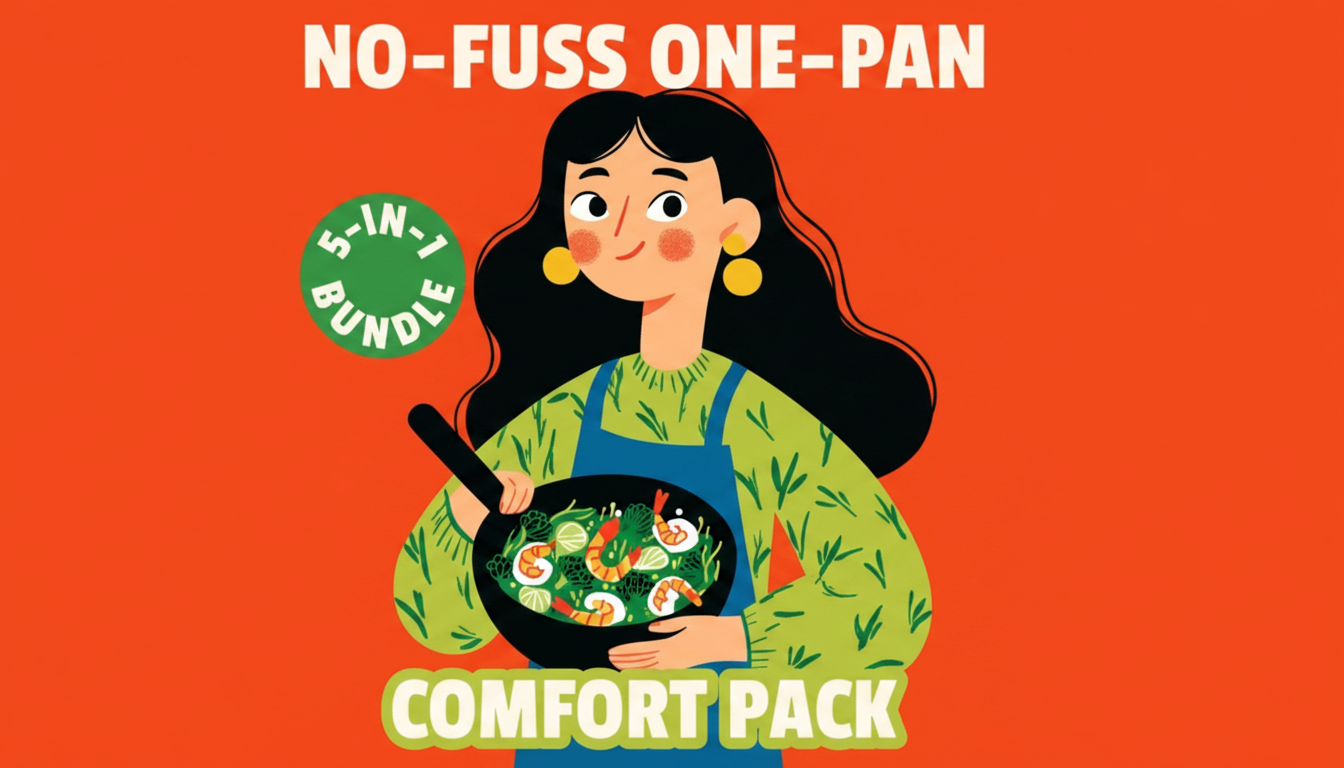
No-Fuss One-Pan Comfort Pack: Cozy Dinners With Minimal Cleanup
Cozy dinners don’t have to mean a sink full of dishes or a complicated plan. A one-pan routine keeps prep simple, flavors layered, and cleanup quick—ideal for busy weeknights, chilly evenings, and anyone who wants comforting meals without hovering over multiple burners. With the right pan, a dependable formula, and a few “finish strong” tricks, you can pull off meals that taste slow-cooked even when your schedule isn’t.
What the No-Fuss One-Pan Comfort Pack Is
A no-fuss one-pan approach is built around the idea that dinner should move from prep to plating with minimal transfers. Instead of juggling multiple pots, you choose one main vessel—sheet pan, skillet, Dutch oven, or roasting pan—then let everything finish together.
- A bundled set built around one-pan cooking to streamline dinner from prep to plating
- Designed for cozy, hearty results with fewer tools and fewer steps
- Best suited to sheet-pan, skillet, Dutch oven, or roasting-pan meals where everything finishes together
- Helpful for building a repeatable dinner rhythm: protein + vegetable + starch + sauce/seasoning
If you want a ready-to-use solution that leans into this routine, the No-Fuss One-Pan Comfort Pack: 5-in-1 Bundle for Cozy, Easy Dinners is designed to keep decision-making low and comfort high—perfect when you’d rather cook once than clean twice.
Who It’s For (and When It Helps Most)
- Busy schedules: quick assembly meals that don’t require constant attention
- Beginner-friendly cooking: fewer moving parts reduces timing mistakes
- Cold-weather cravings: roasts, bakes, and braises that taste like they took longer
- Small households: easy scaling up or down and straightforward leftovers
- Anyone aiming to cut dishwashing while still eating real, satisfying dinners
One-pan cooking also plays nicely with routine: you can rotate a few reliable flavors and formats (roast, skillet, braise) so weeknights feel handled even when the week doesn’t.
How One-Pan Dinners Stay Cozy Without Getting Complicated
- Layer flavor in phases: start with aromatics or a quick sear, then add the rest to finish together
- Use “timing tiers”: ingredients that take longest go in first; delicate items join later
- Choose a sauce or seasoning profile early (garlic-herb, smoky paprika, lemony, creamy) to keep shopping simple
- Balance textures: something tender (chicken thighs, beans), something crisp (roasted edges), something saucy (pan drippings or quick gravy)
- Finish with a bright element (lemon, vinegar, fresh herbs) to keep comfort food from tasting heavy
For richness without fuss, pick a good cooking fat and stick with it for the week—olive oil is a popular all-around option. Harvard’s overview of healthy cooking oils can help you choose what fits your flavor and nutrition goals.
One-Pan Setup: Tools, Pan Types, and Heat Basics
- Sheet pan: best for high-heat roasting and crisp edges; line for faster cleanup
- Skillet: best for sear-to-sauce meals; choose oven-safe when finishing under heat
- Dutch oven: best for braises and stews; steady heat for tender results
- Roasting pan: best for bigger batches and deeper drippings for gravy
- Heat strategy: high heat for browning, moderate heat for even cooking, low heat for simmering and tenderness
Pan choice guide for common cozy dinners
| Meal style | Best pan | Why it works | Typical temperature |
|---|---|---|---|
| Roasted chicken + vegetables | Sheet pan | Even browning, crisp edges | 400–450°F |
| Sear + creamy sauce (chicken, mushrooms) | Oven-safe skillet | Build sauce in the same pan | 350–425°F |
| Braise (stew, pot roast, beans) | Dutch oven | Moist heat for tenderness | 300–350°F |
| Sausage + peppers + potatoes | Sheet pan or roasting pan | Hands-off cooking, easy scaling | 400–425°F |
| Baked pasta-style skillet | Oven-safe skillet | Melty top, minimal transfers | 375–425°F |
A Simple One-Pan Formula for Weeknights
When energy is low, a repeatable “build” keeps dinner moving. Use this as a default template and swap ingredients based on what’s in the fridge.
Safety and Doneness: Keep It Cozy and Confident
For exact internal temperatures, rely on the USDA’s official chart: USDA Food Safety and Inspection Service — Safe Minimum Internal Temperature Chart. For storage basics (especially if you’re intentionally cooking for leftovers), the FDA’s consumer guidance is a helpful refresher: FDA — Food Storage (Cold Food Storage Charts).
Making It Work for Dietary Preferences
What’s Included and How to Use the Bundle Smoothly
If your goal is to streamline more than dinner, pairing simple routines can make busy weeks feel lighter. Two other in-stock bundles that support “less fuss, more done” habits are the Low-Effort Makeup Secrets Pack | Simple Makeup Ideas 4-in-1 Digital Beauty Bundle for quick everyday looks and the Step-by-Step Puppy Training Toolkit: A Beginner’s Guide to Dog Training + eBooks & Checklists for creating an easier home routine alongside your mealtime rhythm.
Quick Serving Ideas for a “Comfort” Finish
FAQ
What counts as a true one-pan dinner?
A true one-pan dinner cooks in one main pan (sheet pan, skillet, or Dutch oven) with minimal transfers—everything shares the same cooking timeline. Small extras like a cutting board or a measuring spoon don’t change the “one-pan” spirit; the key is cooking and finishing in the same vessel.
How do you keep one-pan meals from turning soggy?
Give ingredients space so they roast instead of steam, use higher heat when browning is the goal, and pat proteins/veg dry before cooking. Add watery vegetables later and finish uncovered for a few minutes to evaporate excess moisture.
What’s the easiest one-pan meal for beginners?
Sheet-pan chicken sausage with vegetables (or chicken thighs with potatoes) is hard to mess up: the timing is forgiving, seasoning can be simple, and doneness is easy to confirm. Start with one spice blend, roast at 400–425°F, and rotate the pan once for even browning.












Leave a comment