



Pet Travel Checklist: Safe Packing for Dogs & Cats
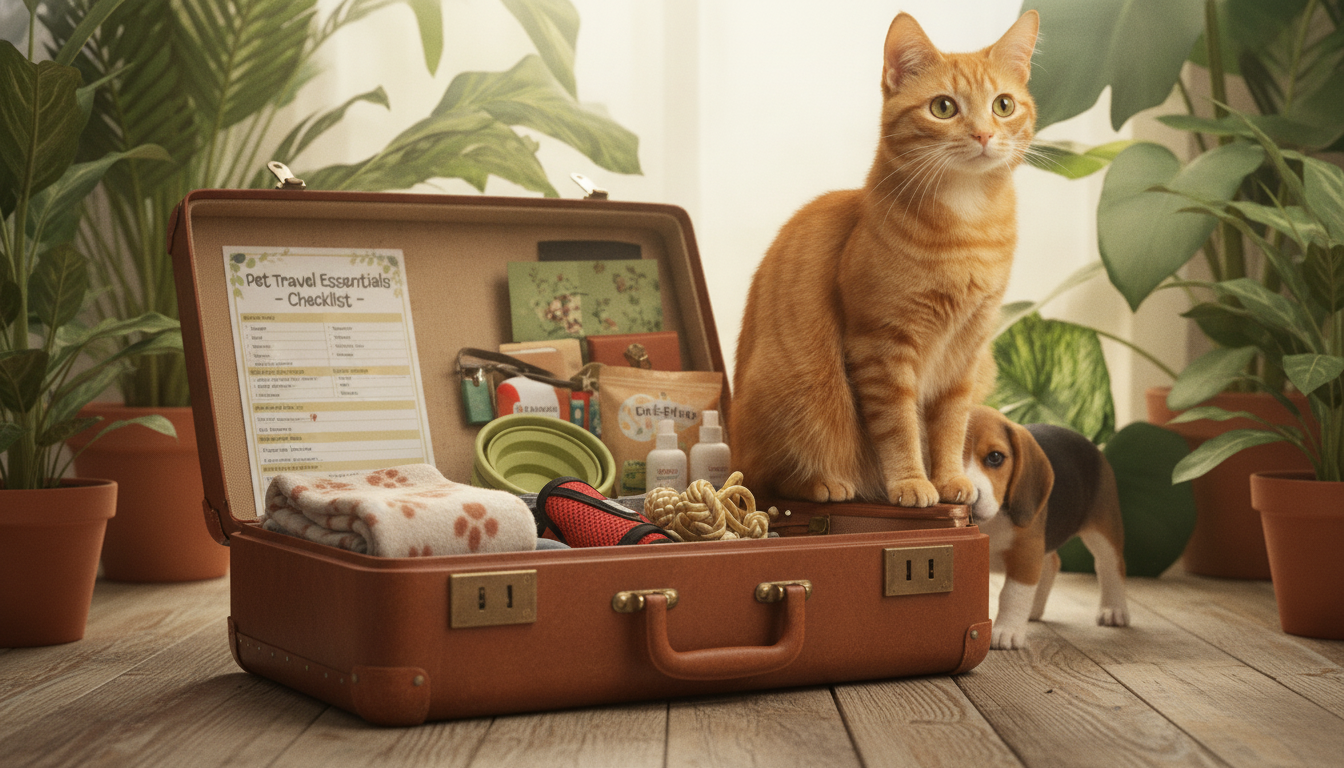
Pet Travel Essentials Checklist for Safe, Smooth Trips With Dogs and Cats
A well-planned pet trip is safer, calmer, and easier on everyone. The simplest way to pack is to use a repeatable system that covers identification, health needs, comfort, feeding, cleanup, and emergency backup—then tailor it to your trip style (road trip, hotel stay, camping, or flight). If you travel more than once a year, a dedicated “pet go-bag” saves time and prevents last-minute omissions.
Start With the Basics: ID, Paperwork, and Proof of Health
If a pet slips a collar, bolts from a hotel room, or gets separated during a travel delay, fast identification is what turns panic into a quick reunion.
- Confirm ID: collar tag with a current phone number, microchip registration updated, and a recent photo of your pet saved on your phone.
- Pack travel documents: rabies/vaccination records, any required health certificate, and a medication list with dosages.
- Save key contacts: primary veterinarian, a 24/7 emergency clinic near your destination, and pet poison control info.
- For crossing borders or flying: verify carrier rules, destination entry requirements, and timelines for certificates and parasite prevention.
For U.S. and international guidance, review the CDC’s Traveling with Pets and the USDA APHIS pet travel requirements before booking.
Quick document checklist by trip type
| Item | Road trip | Hotel/stay | Air travel | Cross-border |
|---|---|---|---|---|
| Rabies/vaccination record | Recommended | Often requested | Commonly required | Required |
| Health certificate | Optional | Optional | Often required | Usually required |
| Microchip/ID info | Required | Required | Required | Required |
| Recent pet photo | Recommended | Recommended | Recommended | Recommended |
| Vet + emergency clinic numbers | Required | Required | Required | Required |
Comfort and Containment: Carrier, Harness, and Safe Space
Secure containment is both a safety tool and a stress-reducer. Pets relax faster when they have a predictable “zone” that travels with them.
- Choose secure containment: a crash-tested crate (when possible) or a well-fitted harness with a seat-belt tether for dogs; a sturdy, well-ventilated carrier for cats.
- Bring a familiar sleeping setup: a bed or blanket that smells like home to reduce stress.
- Include climate and noise comfort: a lightweight carrier cover, plus a cooling mat or extra towel depending on season.
- Add calm aids only with veterinary approval: pheromone wipes/sprays, an anxiety wrap, or prescribed medication for severe travel stress.
For additional safety guidance, the AVMA’s traveling with your pet page is a reliable reference for planning and handling common issues on the road.
Food, Water, and Feeding Routine on the Go
Upset stomachs happen most often when routines change all at once. Keep meals boring and consistent, and plan for unexpected delays.
- Pack measured meals plus 1–2 extra days to cover late check-ins, weather, or detours.
- Bring a spill-resistant water bowl and a dedicated travel water bottle so you’re not relying on unfamiliar bowls or shared fountains.
- Keep routine steady: feed smaller portions if nausea is common; avoid large meals right before long drives.
- Add essentials: treats for positive reinforcement, a slow-feeder or lick mat for downtime, and any supplements used at home.
Hygiene and Cleanup: Make the Car, Carrier, and Room Easy to Maintain
Cleanups are easier when supplies are accessible (not buried). A small “cleanup caddy” prevents accidents from turning into a bigger mess.
- Waste supplies: poop bags, small trash bags, a scoop, and disposable gloves if needed.
- Wipes and towels: pet-safe wipes, paper towels, a microfiber towel, and enzyme cleaner for accidents.
- Litter travel kit for cats: compact litter box or disposable tray, scoop, litter in a sealed bag, and a mat to reduce tracking.
- Grooming basics: brush/comb, paw wipes for salt/sand, and a nail clipper for longer trips.
Health and First Aid: Prepare for Minor Issues and Unexpected Delays
A travel kit doesn’t replace a vet, but it can bridge the gap until you reach professional care—especially if you’re camping or driving long distances.
- Medications: pack in original containers; set reminders for dosing across time zones.
- First-aid basics: bandage material, antiseptic wipes, tweezers, a tick remover, and a digital thermometer (use only with pet-safe guidance).
- Motion sickness and stomach care: vet-approved options, bland diet backup, and hydration support.
- Parasite protection: flea/tick prevention and heartworm meds aligned to the trip schedule.
Road Trip Safety: Stops, Temperature, and Secure Travel
Most travel mishaps come from preventable moments: a hot car, an unsecured leash at a gas station, or gear shifting during braking.
Lodging and Destination Setup: Create a Predictable Mini-Home
Printable Planner: Turn the Checklist Into a Repeatable Packing System
If you want a ready-to-print system that’s easy to reuse, see Pet Travel Essentials Checklist for Safe Trips | Printable Pet Travel Planner | Road Trip & Vacation Packing List for Dogs & Cats. For new dog owners building better behavior before their first big getaway, pair it with Step-by-Step Puppy Training Toolkit: A Beginner’s Guide to Dog Training + eBooks & Checklists.
FAQ
What should always be packed for traveling with a dog or cat?
Always pack identification, proof of vaccinations/health information, a secure restraint or carrier, food and water supplies, waste cleanup items, medications, and a small first-aid kit. Add one or two comfort items (like a familiar blanket) to reduce stress.
How often should pets take breaks on a road trip?
A practical target is every 2–3 hours for water, a short leashed walk, and a quick check for overheating, anxiety, or paw irritation. Puppies, seniors, and pets with medical needs may require more frequent stops.
Is it safe for pets to fly in the cabin or cargo?
Safety depends on airline policies, your pet’s health, and travel conditions; a veterinarian can help you decide what’s appropriate. When eligible, in-cabin travel with an airline-approved carrier is typically preferred, and it’s important to avoid extreme temperatures and follow documentation rules exactly.














Leave a comment