



Dressing Your Dog for Winter: Fit, Layers & Paw Care
How do I dress my dog for winter?
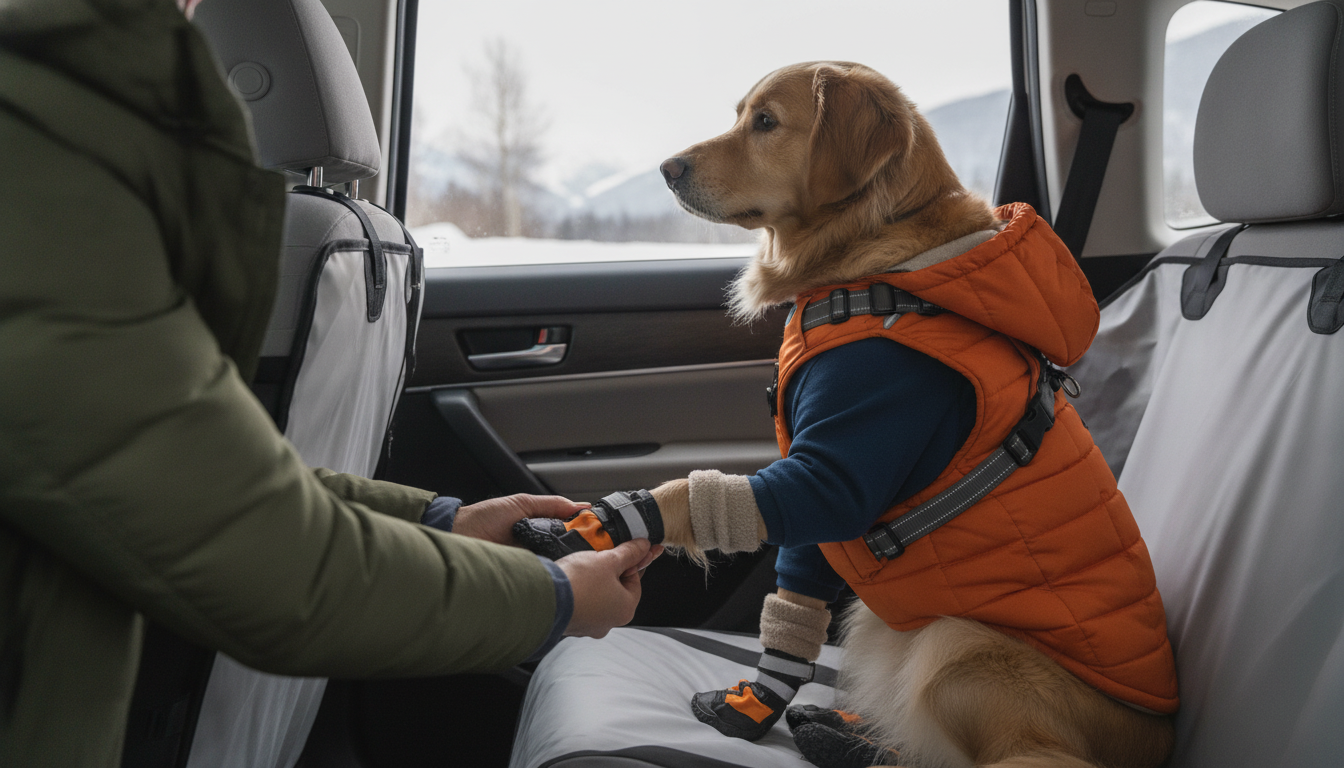
Start by matching your dog’s winter outfit to the weather, your dog’s coat type, and how long you’ll be outside. Most dogs don’t need “fashion” layers—what helps is warmth without restricting movement, plus dry coverage when it’s wet or windy.
Pick the right winter gear for the conditions
For cold, dry days, a fleece or insulated jacket that covers the chest and back is usually enough. For rain, sleet, or wet snow, choose a water-resistant outer layer to keep the coat from soaking through (a wet coat pulls heat from the body fast). In high wind, a coat with a higher neck or a snug collar area helps reduce heat loss.
Prioritize fit, comfort, and safety
A good winter coat should sit smoothly along the back, allow full shoulder movement, and stay in place without twisting. Look for adjustable closures (Velcro or buckles) that don’t rub the armpits. Avoid dangling straps, loose hoods, or anything your dog can chew. Reflective trim is helpful for early sunsets and low-visibility walks.
Layer only when it’s truly needed
If your dog shivers, lifts paws repeatedly, slows down, or tries to head back inside, add warmth—either a thicker coat or a light base layer under a shell. Keep layers breathable so your dog doesn’t overheat while moving. If your dog is panting heavily in cold weather or feels hot under the coat, remove a layer and reassess.
Protect paws and keep the outfit dry
Ice melt and salt can irritate paws. If your dog tolerates them, boots prevent cracking and chemical burns. If not, wipe paws and belly after walks and consider a paw balm. Always remove wet clothing as soon as you’re indoors and dry your dog thoroughly.
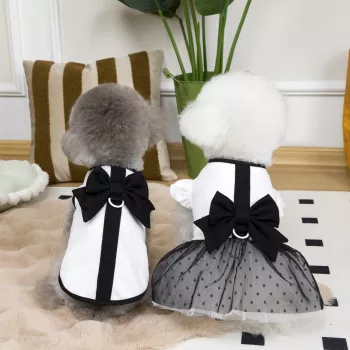
For a practical approach to dog clothing fit and comfort (especially for lightweight dresses and how they should sit on the body), see this guide: https://havencia.com/guide-summer-lace-dog-dress-with-bow-fit-care-heat-tips/.
FAQ
How can I tell if my dog is too cold on a walk?
Common signs include shivering, whining, tucked tail, repeatedly lifting paws, or trying to turn back toward home. If you notice these, shorten the walk and add a warmer or more weatherproof layer next time.














Leave a comment