



Why Cat Trees Matter: Climb, Scratch, Rest, and Play

What is the purpose of a cat tree?
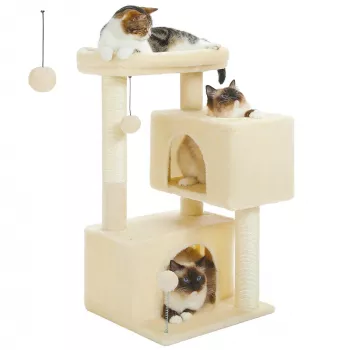
A cat tree is designed to meet several everyday feline needs in one dedicated, cat-friendly space. Its main purpose is to give your cat safe places to climb, perch, scratch, and rest—activities that help them feel secure, entertained, and comfortably “in control” of their environment.
Climbing and vertical territory
Cats naturally seek height. A cat tree creates vertical territory that lets them move upward without jumping onto countertops, shelves, or fragile furniture. Elevated platforms and perches also give cats a vantage point to observe the room, which can reduce stress and help them settle into a home more confidently.
Scratching that protects your furniture
Scratching is a normal behavior that helps cats maintain healthy claws, stretch their shoulders and back, and mark territory. A cat tree’s scratching posts provide an appropriate, repeatable outlet so your cat is less likely to target sofas, rugs, or doorframes. Consistent access to a sturdy scratch surface can make training easier because the “yes” option is always nearby.
Resting, hiding, and feeling secure
Many cat trees include condos or enclosed cubbies. These small hideaways give cats a private spot to nap and decompress, especially in busy households. Having both open perches and covered spaces lets your cat choose what feels safest at the moment—high and visible or tucked away and quiet.
Play and enrichment for indoor cats
Cat trees often include dangling toys, ramps, or multiple levels that encourage play and light exercise. This type of daily enrichment supports healthy weight, helps burn off excess energy, and can reduce boredom-related behaviors like nighttime zoomies or persistent attention-seeking.
If you’re comparing features like perches, condos, and built-in toys, see the full guide here: https://havencia.com/guide-82cm-cat-tree-detachable-perch-two-condos-hanging-toy/.
FAQ
Where should you place a cat tree in your home?
Put it near a window for viewing and sunbathing, or in a room where your cat already likes to spend time. Choose a stable spot away from heavy foot traffic so your cat can climb and nap without being startled.














Leave a comment