



7.4 GPM Indoor Propane Tankless Heater: What to Expect
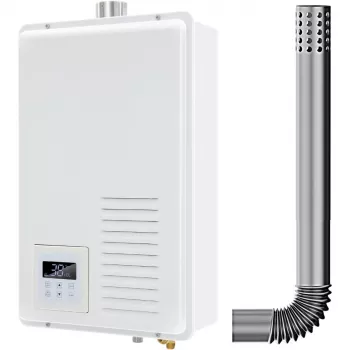
Propane Tankless Water Heater (7.4 GPM) for Indoor Use: Instant Hot Water Without the Tank
A propane tankless water heater can deliver continuous hot water while freeing up floor space compared with a traditional storage tank. A “7.4 GPM” rating sounds straightforward, but the real-world experience depends on incoming water temperature, your hot-water setpoint, and how many fixtures run at once. Below is a practical guide to what 7.4 GPM means in everyday use, what “instant” hot water realistically looks like, and the key indoor installation checkpoints—venting, propane supply, and safety—worth confirming before ordering.
What “7.4 GPM” Means for Daily Hot Water Use
GPM (gallons per minute) is a flow-rate measure, but it’s not a promise that you’ll always get 7.4 gallons of fully heated water every minute in every season. Tankless heaters are rated at a target “temperature rise”—the difference between your incoming cold water temperature and your desired outlet temperature.
If you live where winter groundwater is very cold, the heater must work harder to raise temperature, and the available GPM drops. In milder climates (or in summer), warmer incoming water means more usable flow for simultaneous fixtures.
As quick reference points, many showers run about 1.5–2.5 GPM, faucets around 0.5–1.5 GPM, and dishwashers/clothes washers typically draw intermittently rather than continuously. A 7.4 GPM class unit is commonly chosen for small-to-mid households that want the convenience of multiple draws at once—understanding that the “headline” number changes with temperature rise.
To stretch capacity, low-flow fixtures and a realistic setpoint (often 120°F for many homes, subject to local codes and household needs) can help balance comfort, safety, and performance. For water-efficiency benchmarks, the EPA WaterSense program provides helpful flow-rate guidance for showerheads and fixtures: https://www.epa.gov/watersense/showerheads.
Quick Sizing Guide: Matching GPM to Showers, Faucets, and Appliances
A practical sizing method is to add up the hot-water uses that are most likely to happen at the same time, then add a margin for winter conditions. If two showers may run together, prioritize extra headroom so the temperature stays steady when someone opens a faucet or a washer starts a fill.
Also look for stable modulation—the ability for the burner to ramp up and down smoothly—since that can reduce temperature swings when flow changes (for example, when a faucet cycles on/off).
| Scenario | Estimated hot-water demand (GPM) | What to watch for |
|---|---|---|
| 1 shower + 1 bathroom faucet | 2.0–3.5 | Stable temperature when faucet cycles on/off |
| 2 showers at once | 3.0–5.0 | Winter performance if incoming water is very cold |
| Shower + kitchen sink use | 2.0–4.0 | Pressure/flow changes from aerators and spray heads |
| Shower + laundry fill (intermittent) | 2.5–5.5 | Short bursts can cause brief temp fluctuations |
| Whole-home peak (2 showers + sink) | 4.0–6.5+ | May require higher capacity in colder climates |
Indoor Installation Essentials: Venting, Air Supply, and Condensate
Indoor propane tankless heaters must be vented correctly. Start by verifying whether the model is direct vent (sealed combustion) or uses indoor air for combustion. Sealed combustion is often preferred for indoor installs because it isolates the burn process from indoor air and helps reduce backdraft risks when properly installed.
Because any fuel-burning indoor appliance carries carbon monoxide risk if installed incorrectly, follow manufacturer instructions and local code for CO alarms and keep any required combustion air openings unobstructed. For gas safety code context, the National Fuel Gas Code (NFPA 54) is the widely used reference in the U.S.: https://www.nfpa.org/codes-and-standards/all-codes-and-standards/list-of-codes-and-standards/detail?code=54.
Propane Supply Requirements and Gas Line Considerations
What “Instant Hot Water” Actually Looks Like
For a deeper overview of how demand-type heaters work and where savings can come from, the U.S. Department of Energy has a clear primer: https://www.energy.gov/energysaver/tankless-or-demand-type-water-heaters.
Maintenance and Longevity: Keeping Performance Consistent
Product Spotlight: 7.4 GPM Indoor Propane Tankless Water Heater
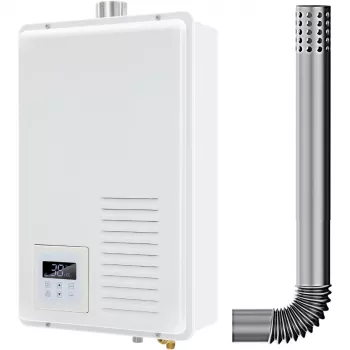
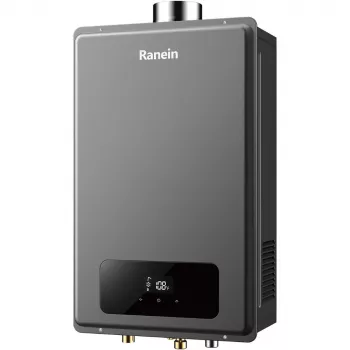
Propane Tankless Water Heater, 7.4 GPM, Indoor Use, Instant Hot Water is designed for indoor installation and on-demand heating, with real-world performance driven by your temperature rise and how many fixtures run at the same time. Before buying, verify venting type, required clearances, and any electrical needs (ignition and controls) so the install is straightforward.
Other in-stock picks on the site include digital bundles such as Low-Effort Makeup Secrets Pack | Simple Makeup Ideas 4-in-1 Digital Beauty Bundle and Step-by-Step Puppy Training Toolkit: A Beginner’s Guide to Dog Training + eBooks & Checklists.
FAQ
Can you have instant hot water with a tankless water heater?
Tankless heaters provide hot water on demand, but not truly zero-wait hot water at the tap because the heated water still has to travel through the pipes. To reduce wait time, homeowners often use insulated hot-water lines, shorter plumbing runs, or a compatible recirculation setup.
How many gpm should I get for a tankless water heater?
Add up the hot-water fixtures you expect to run at the same time (for example, two showers plus a faucet) and then add margin for winter’s colder incoming water. If two showers may run together regularly, choosing a higher-GPM class (or ensuring your 7.4 GPM unit is adequate for your temperature rise) helps keep temperatures steady.
Why don’t plumbers like tankless water heaters?
Most complaints come from problem installs: undersized gas lines, incorrect venting, unrealistic expectations about “instant” delivery, and skipped descaling maintenance. When the unit is sized correctly and installed to spec, many plumbers do like tankless heaters for efficiency, space savings, and continuous hot-water capability.












Leave a comment