



Tankless Water Heaters: Is Hot Water Really Instant?
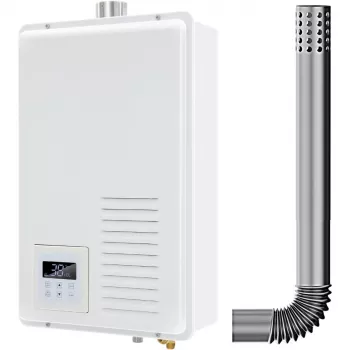
Can you have instant hot water with a tankless water heater?
A tankless water heater can deliver hot water on demand, but it usually isn’t truly “instant” at the faucet. The unit heats water as it flows through a heat exchanger, so there’s still a short wait while water travels from the heater to the tap and while the system ramps to your set temperature.
In many homes, the biggest delay comes from plumbing distance and pipe volume. A bathroom far from the heater may take longer to feel hot than a nearby sink, even if the heater is working perfectly. Cold water sitting in the line must clear out first, and that timing depends on flow rate, pipe size, and how your home is laid out.
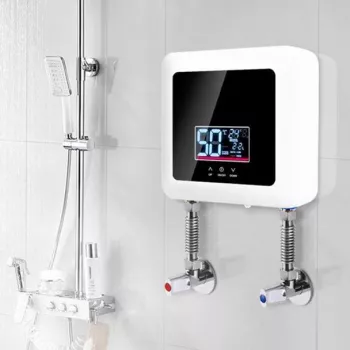
To get closer to instant hot water, consider pairing a tankless heater with a hot water recirculation setup (where compatible) or point-of-use solutions for far fixtures. Proper sizing also matters: a unit that matches your household’s flow needs can maintain steady temperature without the “cold sandwich” effect that can happen with intermittent draws.
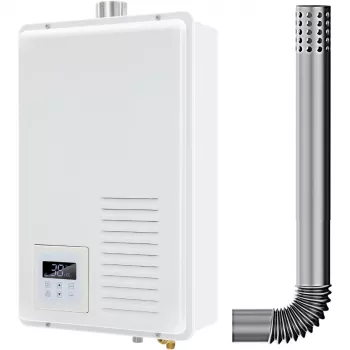
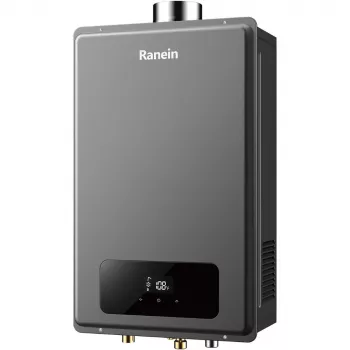
Choosing the right propane model is especially important if you want strong performance for showers and multiple fixtures. For a deeper sizing breakdown and what to look for in an indoor propane unit, see this guide: 7.4 GPM Indoor Propane Tankless Water Heater Guide.
FAQ
Can a tankless water heater run two showers at the same time?
Sometimes. It depends on the heater’s maximum flow rate at your incoming water temperature and how high you set the outlet temperature. Two showers often require around 4–6+ GPM combined, so the unit must be sized for that demand.
Do tankless water heaters raise your electric bill?
Typically, they don’t raise it much, but many units use electricity for ignition, controls, and sometimes fans. Electric tankless models can increase electric usage significantly, while gas/propane tankless units usually add only a modest electrical load.
Why avoid a tankless water heater?
Avoid one if upfront cost, installation complexity (venting, gas line upgrades), or simultaneous high hot-water demand is a poor fit for your home. In some cases, you may also notice a brief delay for hot water at distant fixtures without a recirculation solution.












Leave a comment