



Why Some Plumbers Avoid Tankless Water Heaters
Why don’t plumbers like tankless water heaters?
Many plumbers actually do like tankless water heaters, but some prefer not to install or service them because the job can be more time-consuming, more finicky, and easier to get blamed for when the home’s plumbing or fuel setup isn’t ideal. Tankless units aren’t “drop-in” replacements for tanks in a lot of houses, so the install often includes upgrades beyond the heater itself.
They can require more involved installation
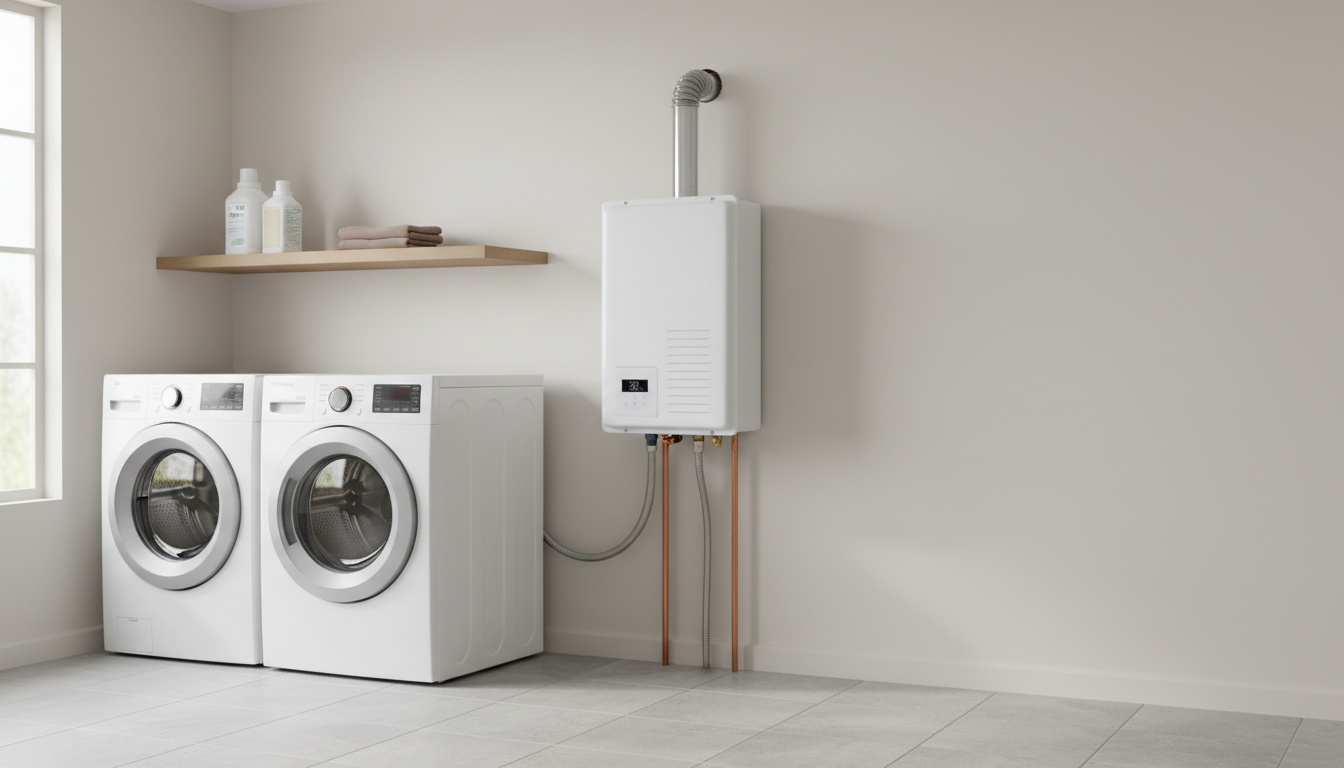
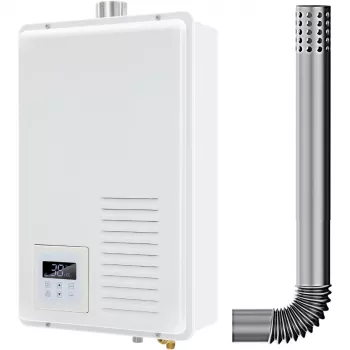
Tankless heaters may need larger gas lines, dedicated electrical circuits, specific venting, condensate drainage (for condensing models), and careful placement to meet clearance and code rules. If any of that is missing, the plumber either has to upsell extra work or walk away—neither option is popular with customers who expected a simple swap.
Flow-rate and temperature expectations create complaints
Tankless performance is tied to incoming water temperature and how many fixtures run at once. If a household tries to run multiple showers, laundry, and a dishwasher simultaneously, the unit may not keep up the way a large storage tank can in short bursts. When someone experiences lukewarm water or “cold sandwich” temperature swings, the installer is often the first call, even if the unit is operating within its specs.
Maintenance is real—and often ignored
Hard water scaling can reduce efficiency and cause overheating or error codes, so periodic descaling/flush service matters. When homeowners skip maintenance, the next service visit can be more complicated, and some plumbers would rather avoid becoming the ongoing “maintenance plan” for a system the customer doesn’t want to maintain.
More troubleshooting complexity
Tankless systems use sensors, control boards, fan assemblies, and safety interlocks. Diagnosing issues can take longer than with a basic tank-style heater, and parts availability varies by brand. That extra time can make flat-rate pricing harder and callbacks more likely.
If you’re considering a propane model and want a realistic sense of capacity, installation considerations, and what to expect from a 7.4 GPM indoor unit, see the main guide here: https://havencia.com/guide-7-4-gpm-indoor-propane-tankless-water-heater-guide/.
FAQ
Do tankless water heaters work well with propane?
Yes—propane tankless heaters can perform very well when the gas line sizing, regulator, and venting are correct. Consistent fuel delivery is critical because tankless units draw high BTUs during operation.












Leave a comment