



Tankless Heater: Can It Power Two Hot Showers?
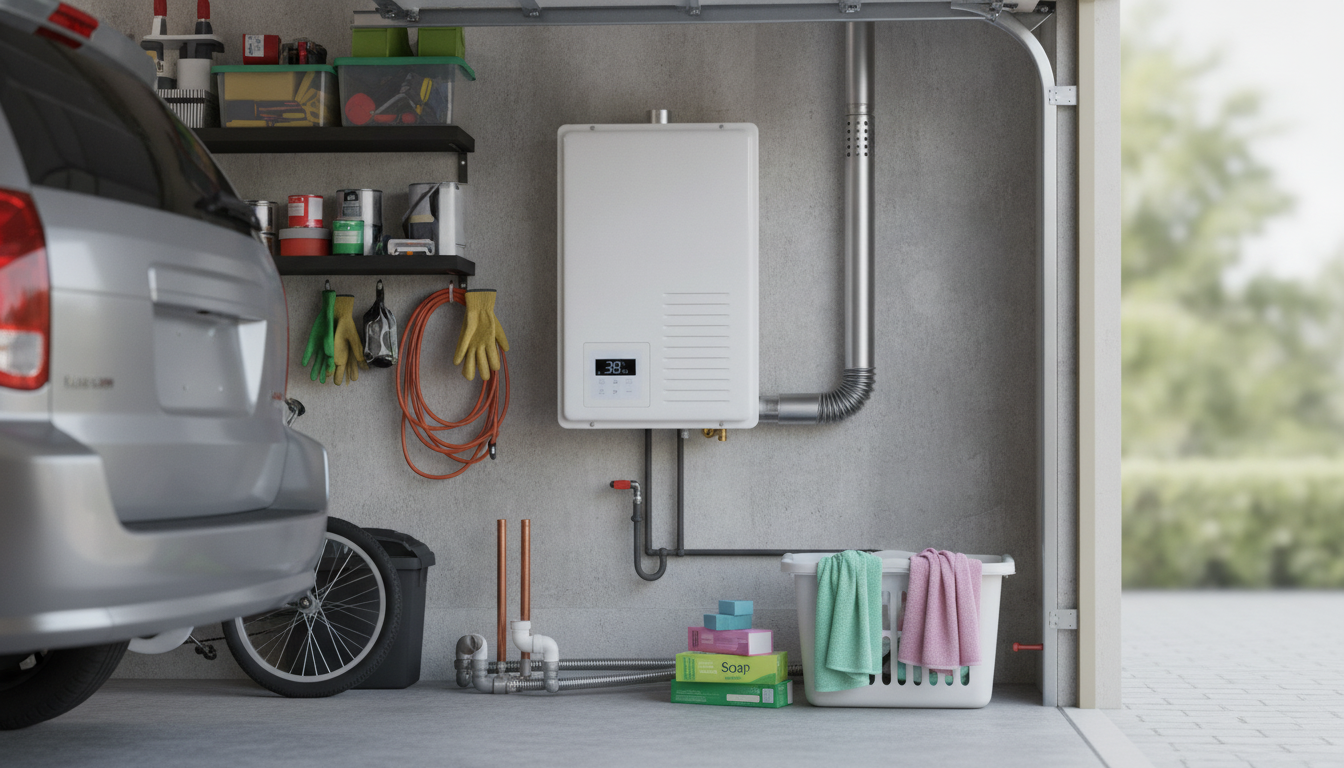
Can a tankless water heater run two showers at the same time?
Yes—if the unit can deliver enough hot-water flow (GPM) at your home’s incoming water temperature. A tankless heater doesn’t “store” hot water; it heats on demand. That means two showers can run simultaneously as long as the combined hot-water demand stays within the heater’s real-world capacity.
What determines whether two showers will stay hot?
The biggest factor is temperature rise: how much the heater must raise incoming cold water to reach your set temperature. In warmer climates, incoming water might be 60–70°F, so a tankless unit can often provide more hot-water flow. In colder regions where incoming water may be 40–50°F, the same model produces fewer usable hot gallons per minute.
Two typical showers together often need roughly 3.5–5.0 GPM of mixed water, but only part of that is hot. If both showers are set very warm, the hot-water share increases—and so does the demand on the heater. Low-flow showerheads and slightly lower shower temperatures make it much easier for one tankless unit to handle two showers.
What if the heater is “7.4 GPM”?
A listed flow rate is usually at a smaller temperature rise. In real use, a 7.4 GPM tankless heater may deliver less if your incoming water is cold or if you’re running other fixtures. If you want two showers consistently, it’s smart to compare the heater’s GPM at your expected temperature rise and plan for additional loads like a sink, dishwasher, or washing machine.
For a practical sizing walkthrough and what to look for in an indoor propane model, see the full guide here: 7.4 GPM Indoor Propane Tankless Water Heater Guide.
FAQ
How many GPM do I need for a tankless water heater?
Add up the hot-water GPM of fixtures you want to run at the same time, then confirm the heater can meet that flow at your home’s temperature rise (incoming water to set temperature).












Leave a comment