



3-in-1 Total Dog Care Kit: Daily Habit Guides & Checklists
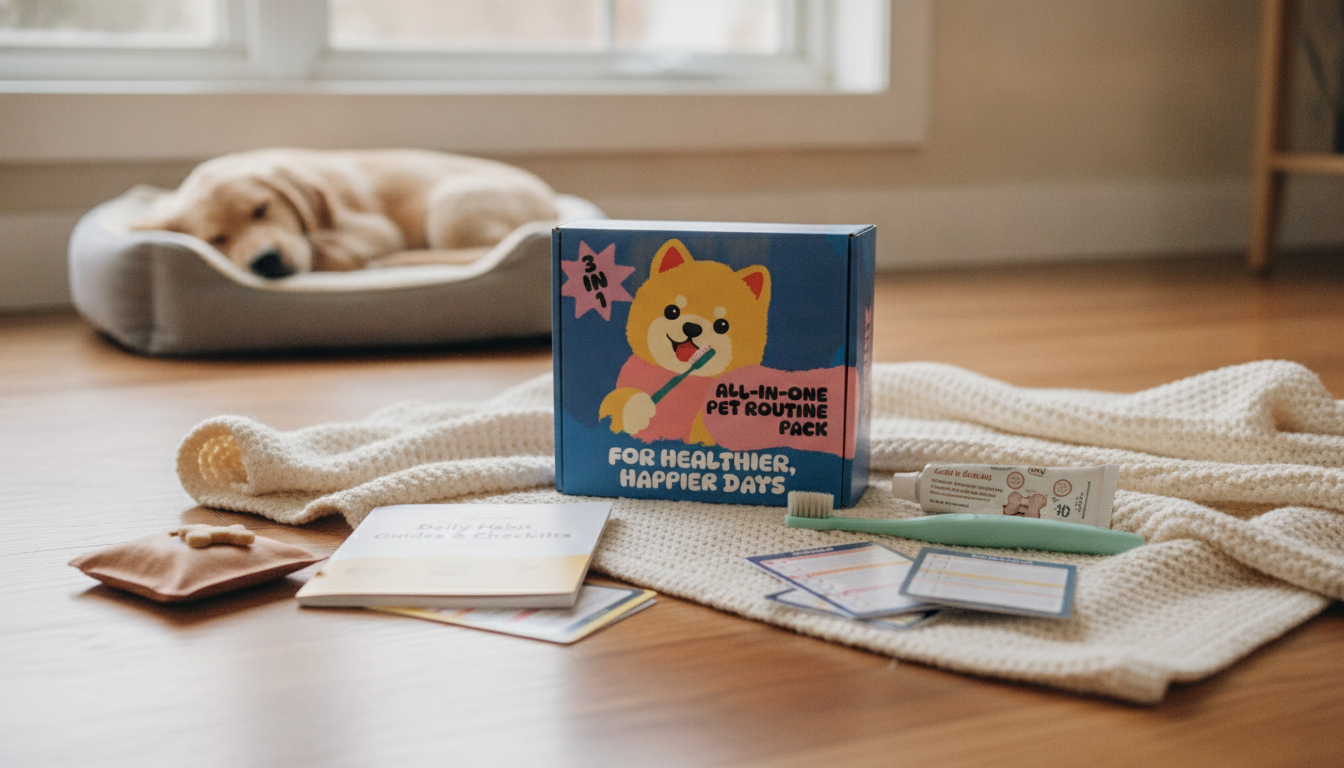
Total Dog Care Kit for Building Better Daily Habits – 3-in-1 Bundle of Guides & Checklists
Consistent daily routines are often the difference between “mostly fine” and truly thriving when it comes to dog health, behavior, and home life. A habit-first approach simplifies decisions, reduces missed care tasks, and makes progress visible—especially for busy households, first-time dog parents, and anyone managing multiple responsibilities. This 3-in-1 bundle is designed around repeatable actions: clear guides to explain what to do, checklists to make it easy to follow through, and a simple structure that turns care into a predictable rhythm rather than an occasional scramble.
What “better daily habits” looks like for dogs
“Better habits” don’t mean doing more and more. They mean making the essentials so consistent that your dog can rely on them—and you can notice small changes before they become big problems.
- Predictable routines support calmer behavior by reducing uncertainty around meals, walks, training, and rest.
- Small, repeatable actions (hydration checks, brief training reps, quick grooming) compound into noticeable improvements over weeks.
- A routine-based system helps spot early changes in appetite, energy, stool, skin, or mood—useful for timely veterinary conversations.
- Habits are easier to maintain when they are tied to existing household cues (after coffee, after school pickup, before bedtime).
For general care guidance and safety basics, reputable references like the American Veterinary Medical Association (AVMA) and the CDC Healthy Pets resources can help reinforce what “normal” looks like and when it’s time to call your vet.
What’s included in the 3-in-1 bundle of guides & checklists
The Total Dog Care Kit for Building Better Daily Habits – 3-in-1 Bundle of Guides & Checklists focuses on follow-through. You get structure without turning dog care into a complicated project.
- Quick-start guides that break down essential care areas into practical steps (what to do, when to do it, and what to watch for).
- Printable or reusable checklists that turn care tasks into an easy “done/not yet” system—ideal for shared households.
- A routine framework that helps align feeding, potty breaks, exercise, enrichment, grooming, and health checks without overcomplicating the day.
- Designed for flexibility: works for puppies, adult dogs, and seniors with adjustments for energy level and health needs.
Common habit areas the kit helps organize
| Habit area | Examples of tasks | How checklists help |
|---|---|---|
| Nutrition & hydration | Meals, water refresh, treat boundaries | Prevents overfeeding and missed water changes |
| Potty & exercise | Walks, potty breaks, sniff time | Reduces accidents and supports steady energy |
| Training & enrichment | 5-minute cues, puzzle toys, calm settling | Builds consistency without long sessions |
| Grooming & hygiene | Brushing, paw checks, dental care | Catches mats, irritation, or tartar earlier |
| Health & home safety | Tick checks, medication reminders, hazard scans | Encourages quick daily observations |
A simple daily rhythm to start with (and then personalize)
The easiest routines are the ones that match how life already works. Start with a basic rhythm, then adjust based on your dog’s age, energy level, and any vet recommendations.
- Morning: water refresh, potty break, meal (if applicable), a short walk or backyard movement, then a 2–5 minute training mini-session.
- Midday: quick potty break, brief enrichment (snuffle mat, scatter feeding, chew), and a fast body scan (ears, eyes, paws).
- Evening: longer walk or play window, grooming touchpoint (brush or wipe-down), calm-down routine (settle on mat), final potty break.
- Personalize by energy level: high-drive dogs may need more structured exercise; low-energy or senior dogs may benefit from shorter, gentler movement with more sniffing.
Daily habit planner (example)
| Time of day | Core needs | Optional add-ons | What to note |
|---|---|---|---|
| Morning | Potty + water + movement | Short training reps | Appetite, energy on walk |
| Midday | Potty + enrichment | Grooming touchpoint | Stool quality, itching/licking |
| Evening | Exercise + calm-down routine | Dental care | Any limping, ear odor, mood changes |
How to use checklists without feeling overwhelmed
A checklist should reduce mental load, not create pressure. The goal is consistency, not perfection.
Building habits that support training, not fight it
If you want a more structured training companion, consider the Step-by-Step Puppy Training Toolkit: A Beginner’s Guide to Dog Training + eBooks & Checklists to keep cues, rewards, and practice sessions as organized as the care routine. For additional training best practices and age-appropriate guidance, the American Kennel Club (AKC) expert advice library is a helpful reference.
Who this kit tends to help most
Getting started in 15 minutes
When you’re ready to formalize the system, start with the Total Dog Care Kit for Building Better Daily Habits – 3-in-1 Bundle of Guides & Checklists and treat it as your “home base” for routines, shared accountability, and quick notes that make patterns easier to spot.
FAQ
Is this bundle suitable for puppies and adult dogs?
Yes. The structure works for all ages—puppies typically need more frequent potty breaks and shorter training sessions, while adult and senior dogs may need adjusted exercise intensity and more emphasis on daily health observations.
How long does it take each day to follow the routines?
It’s flexible. Daily essentials can be handled in short blocks (often just a few minutes at a time), then scaled up with longer walks, extra enrichment, or more grooming when the schedule allows.
Can multiple family members use the same checklists?
Yes. Shared checklists make responsibilities clear and reduce mix-ups like double-feeding or missed potty breaks; many households assign ownership by time of day (morning vs. evening) or by category (feeding vs. walks).















Leave a comment