



Build Calm Confidence With Women: 7-Day Practice Plan
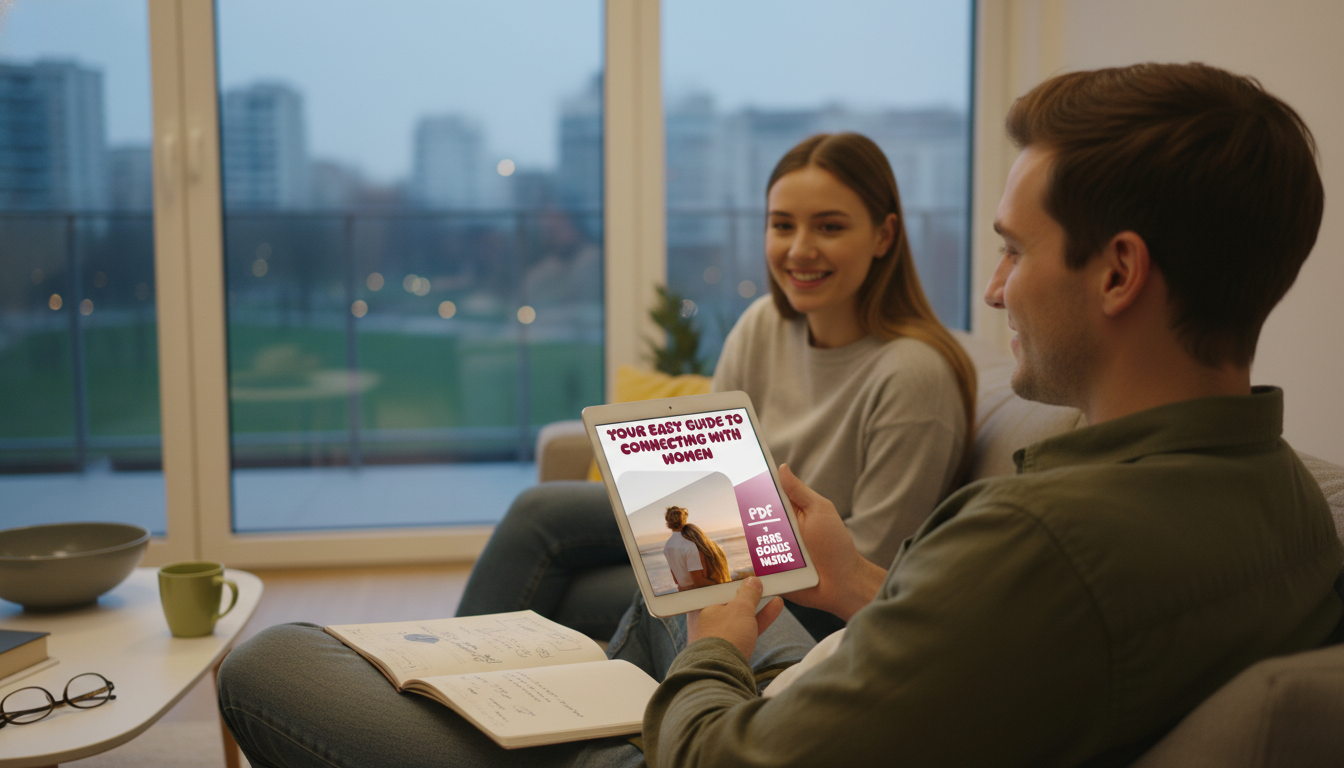
Confidence Unlocked: An Easy, Practical Guide to Connecting with Women
Confidence with women is less about memorizing lines and more about building calm, grounded social skills that hold up in real moments. The goal is simple: show up with steady energy, talk like a real person, and follow through with clarity and respect. Below is a practical breakdown—mindset, body language, conversation, and follow-through—plus a 7-day plan you can repeat until it feels natural.
What “Confidence” Looks Like in Real Conversations
- Clarity: knowing what to say next because attention stays on the moment, not on self-judgment.
- Warmth: friendly energy that signals safety and respect without overperforming.
- Composure: handling awkward pauses, rejection, or mixed signals without spiraling.
- Initiative: starting small interactions consistently instead of waiting for perfect conditions.
- Consistency: showing up similarly across settings (dating apps, social events, everyday errands).
That last point matters more than it sounds. “Confidence” often isn’t a big transformation—it’s the same steady version of you showing up in different places.
Reset the Internal Script: From Approval-Seeking to Curiosity
If your internal monologue is “Do I look nervous?” or “Was that a dumb thing to say?”, your attention is turned inward—where anxiety grows. Curiosity turns attention outward, where connection happens.
- Swap “How am I doing?” for “What can I learn about her?” to reduce performance pressure.
- Use a simple pre-chat mantra: “Be kind, be clear, be present.”
- Redefine success as starting the interaction and staying respectful—not “getting” a number or date.
- Practice micro-exposures: one small, friendly interaction daily to normalize initiating.
- Build a “rejection is information” reflex: treat a no as filtering, not failure.
For tools that support calm regulation under pressure, basic stress-management skills can make a real difference over time. The American Psychological Association offers practical guidance on relaxation and stress skills here: https://www.apa.org/topics/stress.
Confidence Body Language: Calm Signals That Don’t Try Too Hard
- Posture: tall spine, relaxed shoulders; avoid leaning in too fast.
- Eye contact: steady but soft; break naturally while thinking.
- Pace: slightly slower speaking rate and fewer filler words communicates ease.
- Hands: visible, relaxed gestures; avoid fidgeting with phone/keys.
- Space: respect personal boundaries; read cues and match her comfort level.
A helpful checkpoint: if you’re “trying to look confident,” you’ll often look tense. If you’re aiming to be present and respectful, confidence tends to show up on its own.
Conversation That Flows: Simple Frameworks for Any Setting
Good conversations usually follow a simple pattern: connect to the moment, invite her perspective, go one layer deeper, share a little about yourself, and exit cleanly. That’s it.
- Start with context: comment on what’s happening around both people (event, café, shared situation).
- Use openers that invite opinions: “What brought you here?” “How do you know the host?”
- Follow the thread: ask one deeper question before changing topics.
- Balance: share small personal details so it’s not an interview.
- Exit gracefully: end on a positive note to build momentum and leave a good impression.
Quick Conversation Tools for Building Confidence
| Situation | Low-Pressure Opener | Follow-Up Question | Smooth Exit Line |
|---|---|---|---|
| Coffee shop / errands | “That looks like a good order—have you tried it before?” | “What’s your go-to place around here?” | “Nice talking—enjoy your day.” |
| Party / social event | “How do you know everyone here?” | “What’s been the best part of the night so far?” | “I’m going to say hi to a friend—catch you later.” |
| Class / hobby group | “How long have you been doing this?” | “What got you into it in the first place?” | “I’ll let you get back to it—see you next time.” |
| Dating app message | “Your profile made me curious about (specific detail)—what’s the story?” | “What’s a perfect weekend look like for you?” | “Want to continue this over coffee sometime?” |
Handling Nerves in the Moment (Without Waiting to Feel Ready)
Nerves aren’t a sign you’re doing something wrong; they’re a sign something matters to you. The win is learning to act kindly and clearly while your body is a little activated.
- Use a 10-second grounding check: feel feet on the floor, slow exhale, relax jaw.
- Aim for “good enough” instead of “smooth” to prevent overthinking.
- If your mind goes blank, name it calmly: “I lost my train of thought—anyway…”
- Treat silence as normal: short pauses often increase presence, not awkwardness.
- After each attempt, write one win and one tweak to reinforce learning.
If anxiety or low mood feels persistent beyond everyday nerves, it can help to review mental health basics and support options from a reliable source like the National Institute of Mental Health: https://www.nimh.nih.gov/health/topics/caring-for-your-mental-health.
Respectful Intent: Flirting, Clarity, and Boundaries
- Flirting works best when it’s light and optional—playful, not pressuring.
- Compliments: focus on specific choices (style, taste, energy) over body-focused comments early on.
- Escalation: match her engagement level; if she pulls back, reduce intensity immediately.
- Ask directly when appropriate: “Would you like to grab a drink this week?”
- Accept no with grace: “Totally understand—nice meeting you.”
Clear and respectful is attractive because it’s safe. If you’re unsure, default to less intensity and more curiosity.
A Simple 7-Day Confidence Practice Plan
Digital Download Guide: “Confidence Unlocked”
- Confidence Unlocked: Your Easy Guide to Connecting with Women – How to Build Confidence with Women | Digital Download Guide (Digital Download)
- The Anxiety-Sensitive Motivation Checklist: 15 Gentle Power Moves for Parents of Teens | Digital Download (Helpful frameworks for gentle, consistent action when anxiety is in the mix)
FAQ
How to build confidence and self-esteem
Keep small daily promises (sleep, movement, grooming, and brief social practice), track what you did well, and replace harsh self-talk with specific, fair feedback. Self-esteem tends to rise as you collect evidence that you can act consistently—even when you feel nervous.













Leave a comment