



Large Round Wall Mirror Placement, Size & Styling Guide
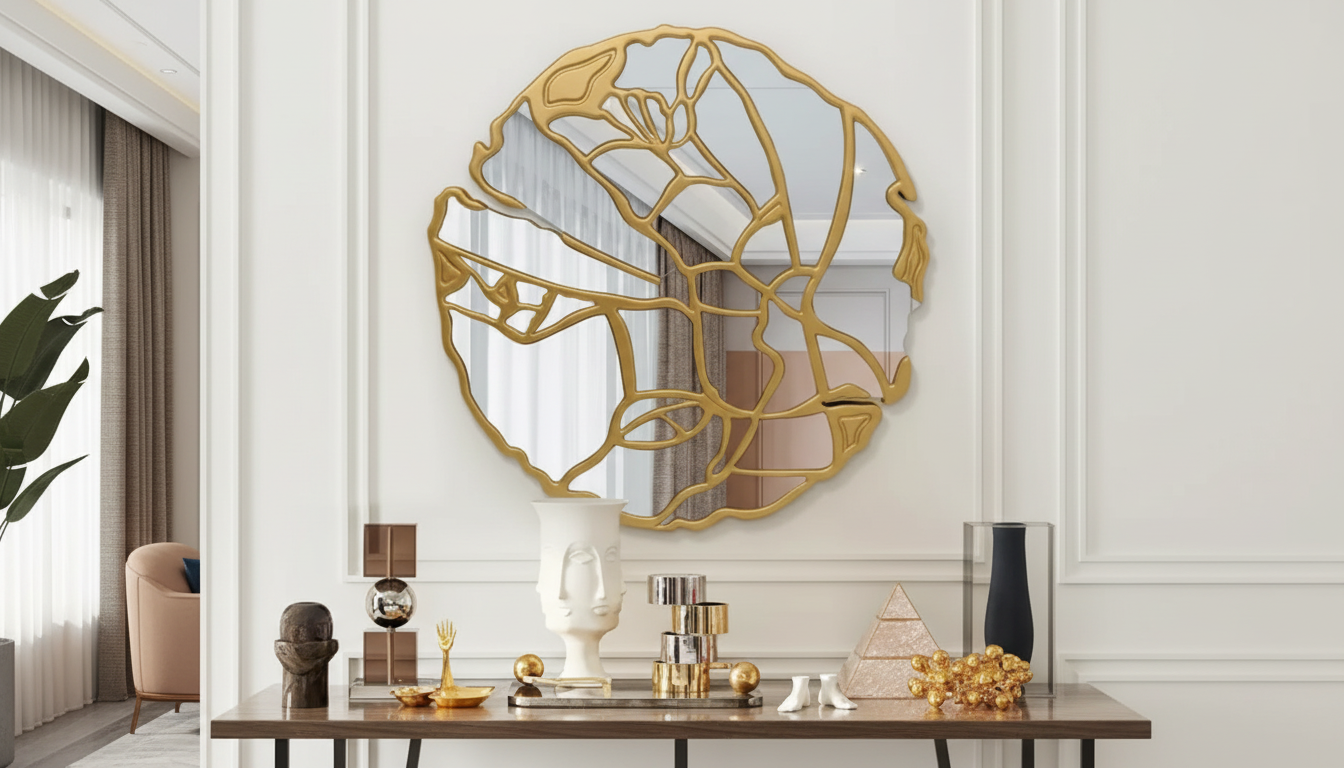
Large Round Decorative Wall Mirror: A Statement Piece That Brightens Any Room
A large round decorative wall mirror can make a room feel more open, reflect natural light, and create a clean focal point without adding visual clutter. The circular shape softens sharp edges, while the reflective surface helps even a modest lamp feel like it’s working harder. Below are the best places to use one, the measurements that prevent “almost-right” hanging, styling ideas that feel finished, and simple care tips that protect the mirror over time.
Why a Large Round Mirror Changes the Feel of a Space
Round mirrors do more than show a reflection—they adjust how a room reads at first glance. Because so many household elements are rectangular (sofas, cabinets, doorways, TVs), a circle adds instant balance.
- Softens hard lines: The round silhouette offsets boxy furniture and straight architectural angles for a calmer, more layered look.
- Bounces daylight: Positioned well, it pushes natural light deeper into the room and helps dim corners feel less flat.
- Creates a decor-forward focal point: Even when nobody is using it, a large mirror reads like wall art—especially with a distinctive frame.
- Makes small spaces feel larger: Extended sightlines and reflected depth can help a tight entry or narrow hallway feel more breathable.
Best Placements by Room
The “right” spot depends on what you want most: brightness, function, or a strong design anchor. These placements tend to look intentional across modern, transitional, and minimalist rooms.
| Room | Ideal spot | What it adds | Quick tip |
|---|---|---|---|
| Entryway | Above console table | Brightness + practical check | Leave 6–10 in. between console and mirror bottom |
| Living room | Above mantel/sofa | Focal point + depth | Align to the centerline of furniture below |
| Dining room | Main wall | Glow + dimension | Aim to reflect a light fixture or candles |
| Bedroom | Above dresser/opposite window | Function + light | Keep at eye level for daily use |
| Hallway | Long wall | Opens narrow spaces | Pair with sconces for even reflections |
Entryway
Hang a large round mirror above a console to create a welcoming “landing zone.” It’s useful for a last look before leaving, and it helps an entry feel finished even if the footprint is small.
Living room
Over a mantel, the round shape breaks up the straight line of the fireplace surround. Over a sofa, it anchors the seating area and can reflect lamplight in the evening for a softer, brighter feel.
Dining room
A centered mirror on a main wall adds sparkle and depth—especially when it reflects candles or a chandelier. If your dining room feels formal, a round mirror can make it feel more approachable without losing polish.
Bedroom
Over a dresser, it’s functional and decorative. Opposite a window, it can brighten the room without adding more objects on surfaces—helpful in smaller bedrooms where clutter shows fast.
Bathroom
A large round mirror can work as a vanity mirror if the size fits and the hardware is appropriate for humidity. Good ventilation also matters; the EPA highlights ventilation as a key factor in indoor air quality and moisture control (EPA: Indoor Air Quality).
Sizing and Hanging: What to Measure First
- Pick a proportional diameter: A reliable guideline is keeping the mirror about 2/3 to 3/4 the width of the furniture beneath it (console, dresser, mantel).
- Mark the centerline: Find the midpoint of the wall area or the furniture below, then align the mirror to that visual center.
- Set the height intentionally: For decorative placement, the mirror’s center is often best around 57–60 inches from the floor, adjusting for tall ceilings or viewing position.
- Match hardware to weight and wall type: Use anchors rated for the mirror’s weight, or mount into studs when possible. For general home safety, the CPSC’s guidance on anchoring and preventing tip-over hazards is a helpful reference point (CPSC: Anchor It!).
- Plan what it reflects: Stand where people usually see the mirror from and confirm it reflects something you want repeated—window light, a lamp, art—not a pile of cords or a busy countertop.
Styling Ideas That Look Intentional
If you enjoy coordinating tones across a home, Color Theory Seasons Bundle 10-in-1 | Seasonal Color Analysis Guides & Checklists can help streamline palette decisions so the mirror (and its frame finish) feels integrated rather than random.
Care and Maintenance
Product Spotlight: Large Round Decorative Wall Mirror
If you’re looking for a single piece that can brighten a space and serve as a true focal point, the Large Round Decorative Wall Mirror is designed to stand out while staying versatile. It’s a strong fit above consoles, dressers, and mantels, where the bold circular silhouette balances the straight lines below and helps the whole wall read as “finished” with minimal extra decor.
For current pricing and availability, view the details on the product page: Large Round Decorative Wall Mirror.
FAQ
How high should a round wall mirror be hung?
A simple guideline is to hang it so the center sits around 57–60 inches from the floor for general decorative placement. When hanging above furniture, leave about 6–10 inches of space between the furniture top and the bottom of the mirror, then adjust for ceiling height and where you’ll view it most often.
What size round mirror looks best over a console or dresser?
A balanced proportion is typically a mirror diameter around 2/3 to 3/4 the width of the console or dresser. This keeps the mirror visually substantial while still leaving breathing room on both sides.
Can a large decorative mirror make a small room look bigger?
Yes—reflections add depth and help light travel farther, which can make a smaller room feel more open. For the best effect, place it opposite or near a window and aim it toward a clean, uncluttered view.









Leave a comment