



Mobile Barbecue Grill Guide: Camping, Tailgates, Patios
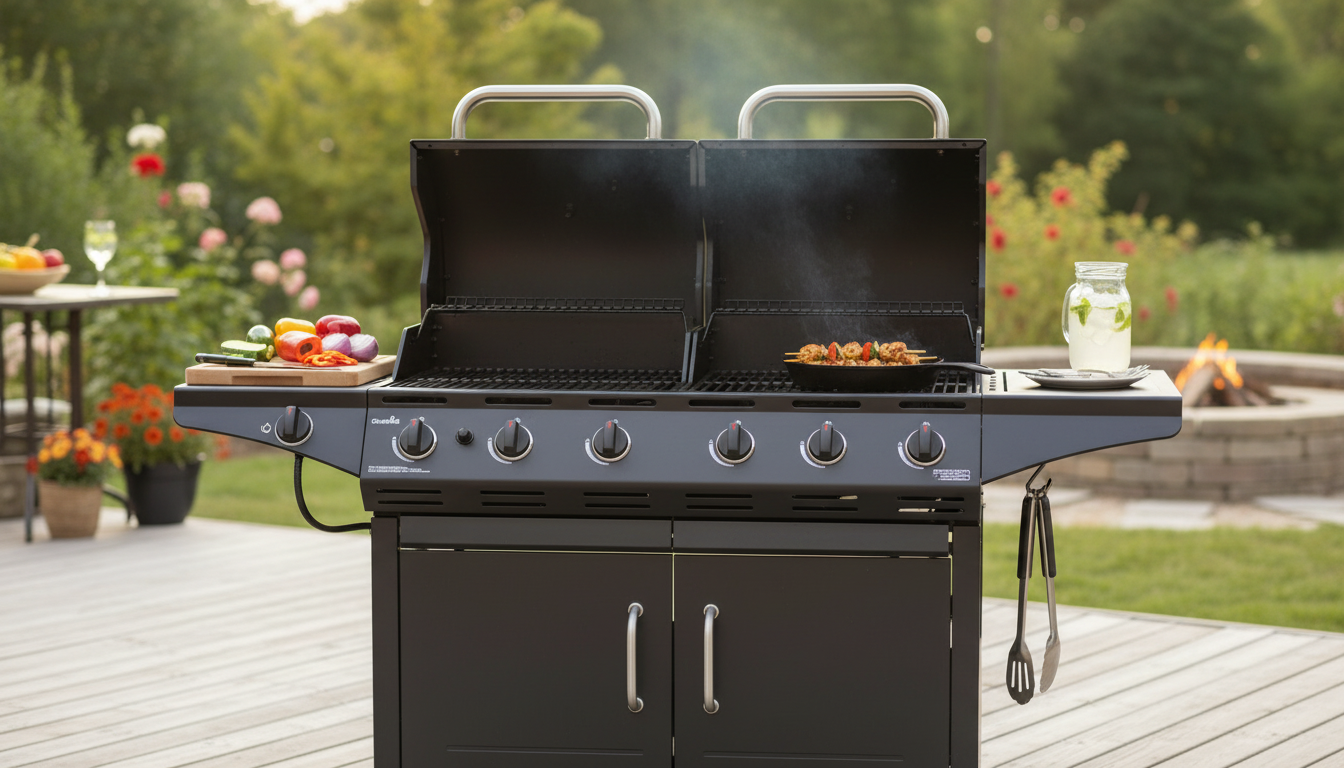
Mobile Barbecue Grill for Camping, Tailgates, and Small Spaces
A mobile barbecue grill makes it easier to cook outdoors without committing to a full-size setup. The right choice balances portability, safe heat control, and enough cooking space for the group—whether it’s a campsite meal, a tailgate spread, or a quick cookout on a patio.
What “mobile” should mean in a grill
“Portable” can mean anything from “easy to move around the backyard” to “fits in a trunk with the cooler.” For genuinely grab-and-go grilling, focus on four practical traits.
Moves easily
A manageable carry weight, a stable base, and a build that won’t wobble matter more than flashy add-ons. If the grill will ride in an SUV, RV bay, or truck bed, sturdy feet and secure latches help prevent dents, spills, and bent parts.
Sets up fast
Look for minimal parts and an intuitive workflow from packed to cooking. The best mobile designs avoid complicated legs and fiddly fasteners, so you can go from arrival to preheat without turning setup into a project.
Cooks consistently
Outdoor airflow makes small cook chambers swing hot and cool quickly. Predictable heat zones—and a lid when included—reduce the impact of wind, helping burgers brown evenly and chicken finish without burning.
Travels cleanly
Mess containment is a hidden deal-breaker. Ash, grease, and food residue should stay in the grill, not smear onto cargo mats. Prioritize grease trays, ash catchers, and surfaces that wipe down easily.
Where a mobile barbecue grill fits best
Camping and RV trips
On the road, compact storage and outdoor-ready durability often beat maximum capacity. A smaller footprint is easier to pack, and a simpler grill is easier to keep clean when water access is limited.
Tailgating and park cookouts
Fast start-up, easy transport, and straightforward cleanup keep the day smooth. When the group’s hungry and kickoff is near, consistent ignition and quick preheat matter.
Balconies and small patios
Always check building rules and local fire codes before grilling. In tight spaces, controlled heat, stable placement, and reliable drip management reduce smoke and flare-up risk while keeping surfaces cleaner.
Backyard overflow
A mobile unit can act like a second cooking station—use it for searing steaks while the main grill holds sides, or keep vegetarian items separate from meat to simplify serving.
Choosing the right fuel style for the way you travel
Fuel type changes everything: how quickly you can eat, how much gear you carry, and how easy cleanup is at the end of the night. Use the comparison below as a quick filter.
Fuel styles compared for portable grilling
| Fuel type | Best for | Trade-offs | Mobility notes |
|---|---|---|---|
| Charcoal | Flavor-forward cooks, high-heat searing | Longer start-up, ash cleanup | Pack a firestarter and a safe ash container |
| Propane gas | Fast meals, adjustable heat | Fuel canister logistics | Transport upright; leak-check fittings before use |
| Electric | Patios with power, low smoke setups | Outlet-dependent, can sear less aggressively | Use a rated outdoor extension cord if needed |
| Pellet | Longer cooks with steady temps | More components, needs power | Best when traveling with more storage space |
Setup and safety essentials
Portable grills are convenient, but they’re still serious heat sources. A few habits make outdoor cooking safer and more predictable.
- Place the grill on a stable, non-combustible surface away from dry grass, overhangs, and foot traffic.
- Keep a small safety kit nearby: heat-resistant gloves, long tongs, an instant-read thermometer, and a spray bottle for flare-ups (not for grease fires).
- For gas models: check hoses and connections for leaks before lighting; open the lid during ignition when recommended by the manufacturer.
- For charcoal models: use a chimney starter or fire starters instead of lighter fluid for cleaner, more controlled lighting.
- Cook to safe internal temperatures and avoid cross-contamination by separating raw and cooked tools and trays (see the USDA temperature chart: USDA FSIS — Safe Minimum Internal Temperatures).
For additional safety guidance around placement and clearance, review NFPA — Grilling Safety. For outdoor food handling reminders (coolers, hands, and leftovers), the CDC food safety resources are a helpful reference.
Heat control tips for better results in windy, outdoor conditions
Cleaning, packing, and storage
If you like a simple routine for packing and keeping gear organized between trips, a quick declutter plan can help keep your storage area “grab-and-go” ready. Consider a digital organizing guide like Clear Space, Clear Mind: How to Find Motivation and Declutter Your Home for Good to streamline how you store grills, fuel, gloves, and tools.
A practical pick for grab-and-go grilling
A purpose-built mobile barbecue grill can simplify transport, setup, and cookouts away from home. If you want a dedicated option designed for on-the-move cooking, see the Mobile Barbecue Grill and confirm current availability and shipping timelines before planning your next outing.
For travel days that start early (or tailgates that run long), a quick breathing routine can make prep and cooking feel calmer and more focused. A compact download like Breathe Easy: Your Mindfulness Breathing Action Checklist fits easily into a trip folder on your phone.
FAQ
Can a mobile barbecue grill be used on a balcony or apartment patio?
Yes, if your building rules and local fire codes allow it. Many locations restrict charcoal and some gas grills, so prioritize clear ventilation, generous clearance from anything combustible, and dependable drip/grease management.
How long should a portable grill preheat?
Plan on about 10–15 minutes in typical conditions, and longer in wind or cold weather. Preheat until the grates are hot and the temperature stabilizes so food sears instead of sticking.
What’s the safest way to dispose of charcoal ash while traveling?
Let ash cool completely, then use a lidded metal container if you must transport it. Never dump warm ash into plastic bags or onto dry ground, and follow campsite or park disposal rules.












Leave a comment