



Modern Full Body Mirror Guide: Size, Placement & Style
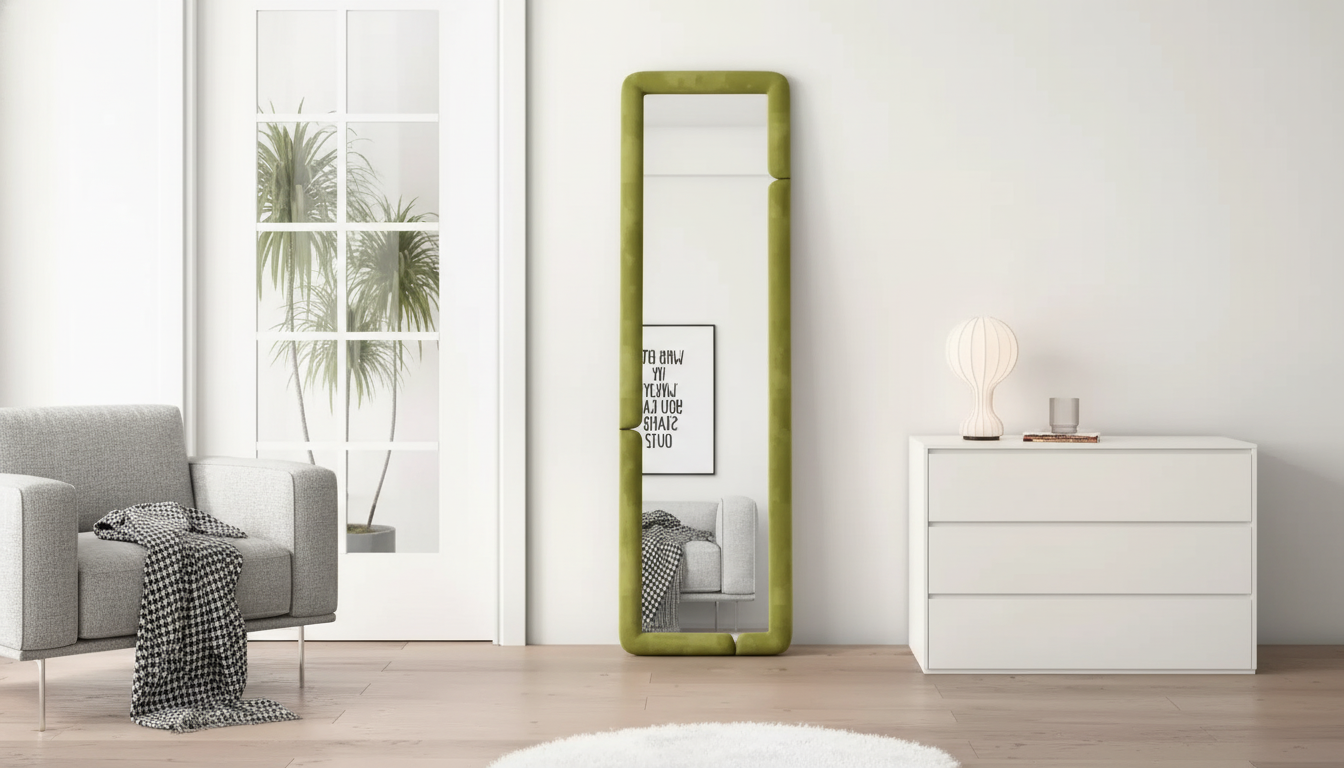
Modern Full Body Mirror: Placement, Styling, and What to Look For
A modern full body mirror can sharpen daily routines, brighten dim corners, and add a clean architectural line to a room. The right size, placement, and mounting approach matter as much as the frame style—especially in bedrooms, entryways, and small apartments where every inch counts. With a few practical decisions up front, a full-length mirror can feel like an intentional design element instead of an afterthought.
What Makes a Full Body Mirror Feel “Modern”
“Modern” is less about one specific shape and more about restraint. These details tend to read contemporary across a wide range of interiors:
- Simple geometry: clean rectangles, soft-radius corners, or slim arches rather than ornate carving.
- Minimal visual weight: thin frames, narrow borders, and uncluttered edges that blend with contemporary décor.
- Neutral finishes: black, brushed metal, warm wood tones, or matte finishes that pair easily with other pieces.
- Versatile formats: leaning mirrors for relaxed styling, wall-mounted options for a crisp built-in look.
When the frame doesn’t compete for attention, the mirror can quietly elevate the whole wall—especially alongside simple lighting and a tight color palette.
Sizing and Proportions That Work in Real Rooms
Full-body mirrors don’t need to be oversized to be effective, but they do need to be tall enough to feel effortless. A mirror that forces you to step back or tilt it awkwardly quickly becomes annoying in daily use.
- Prioritize height for head-to-toe viewing: taller mirrors reduce the need for steep angles during outfit checks.
- Use width to control the “statement” level: narrow mirrors disappear into tight walls; wider mirrors announce themselves as décor.
- Match nearby lines: aligning the mirror height with closet doors, dresser tops, or door trim helps the space feel intentional.
- Leave breathing room: a little wall margin around the mirror prevents the “stuffed in” look.
Quick sizing guide by space
| Space | Best-fit proportion | Placement tip |
|---|---|---|
| Entryway | Medium-to-tall, slim profile | Place near the exit path; keep clearance for bags and shoes |
| Bedroom | Tall for full outfit view | Position near closet or dresser; avoid blocking drawers |
| Living room | Statement height or wider format | Use opposite a window to bounce light; avoid direct glare at seating |
| Small apartment | Tall and visually light frame | Wall-mount when possible to save floor space |
Placement Ideas That Improve Light and Flow
Mirrors change a room by extending sightlines and redirecting light. If you’ve ever noticed a space feel brighter after moving one reflective surface, that’s the physics of reflection at work (a clear overview is available from Britannica’s explanation of reflection).
- Opposite or adjacent to a window: reflects daylight deeper into the room and can reduce the need for lamps during the day.
- At the end of a hallway: adds depth and makes narrow corridors feel less tunnel-like.
- Near the closet or wardrobe: supports quick outfit checks without relocating lighting or stepping into another room.
- In an entryway: creates a final check spot and anchors a functional landing zone with a slim console or hooks.
For comfort, angle or reposition the mirror to avoid reflecting harsh highlights directly toward seating. If you see a “hot spot” at certain hours, shifting the mirror a few inches can make a big difference.
Leaning vs. Wall-Mounted: Choosing the Right Setup
The best setup depends on your floor space, traffic patterns, and how “built-in” you want the mirror to feel.
- Leaning mirrors: relaxed and design-forward, great for bedrooms and dressing corners. Choose a stable spot with a secure wall contact point to reduce slipping.
- Wall-mounted mirrors: clean, architectural, and ideal when you want to free up floor space in tight bedrooms or apartments.
- Know your wall type: drywall, studs, masonry, and tile each require different anchors and tools.
- High-traffic areas need extra stability: in entryways and hallways, prioritize secure mounting and edge protection to prevent bumps.
If you expect frequent rearranging, keep the mirror accessible for quick cleaning and check that hardware stays tight over time.
Materials, Reflection Quality, and Everyday Durability
For general care principles (especially around protecting glass and finishes), the National Park Service guidance on glass care is a helpful reference for gentle cleaning habits and avoiding harsh damage.
Styling a Modern Mirror Without Overcrowding the Space
If the area tends to collect clutter (mail, keys, random accessories), consider pairing your mirror moment with a small “reset routine.” A lightweight digital plan like Clear Space, Clear Mind: How to Find Motivation and Declutter Your Home for Good | Digital Decluttering Guide | How to Get Motivated to Declutter Your House can make entryways and dressing zones easier to keep photo-ready.
Featured Option: Modern Full Body Mirror
If you’re aiming for a streamlined look that works across rooms, Modern Full Body Mirror is a strong pick for bedrooms, entryways, and dressing areas. It suits blank walls where you want a clean focal point, and it also makes sense near a closet for day-to-day outfit checks.
- Works well with minimal consoles, neutral palettes, and modern hardware.
- Plan placement with natural light and traffic flow for the most noticeable upgrade.
- For a coordinated lighting moment nearby, consider pairing with a statement fixture like elegant-art-deco-inspired-crystal-branch-chandelier-for-dining-room in adjacent spaces.
- For a calmer start to the day while getting ready, a simple routine from Breathe Easy: Your Mindfulness Breathing Action Checklist | Mindfulness Breathing Exercises PDF | Calm & Focused Daily Breathing Routine can complement a more intentional dressing area.
FAQ
Can a full length mirror make a room look bigger?
Yes—mirrors can make a room feel larger by reflecting light and extending sightlines, especially when placed opposite a window or at the end of a hallway. Keeping the area around the mirror visually clean helps the “expanded space” effect read more strongly.









Leave a comment