



Nordic Minimalist Coffee Table With Clear Storage
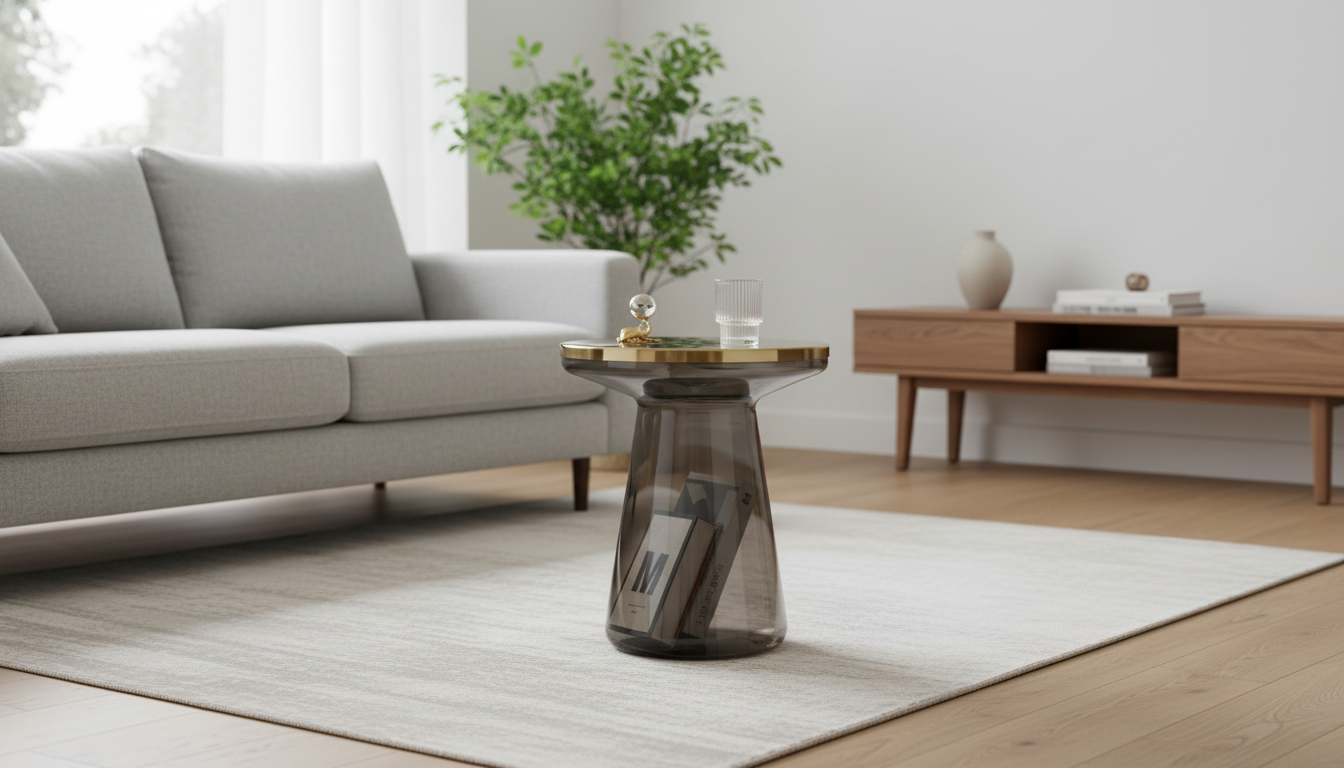
Modern Nordic Minimalist Coffee Table with Transparent Storage: Clean Lines, Clear Display, Calmer Living Rooms
A coffee table can do more than hold mugs and remotes—it can quietly organize the room. This modern Nordic minimalist design pairs a streamlined silhouette with transparent storage so everyday items stay visible, tidy, and easy to reach while the surface remains uncluttered. The result is a lighter-looking centerpiece that suits bright, airy interiors and compact spaces where smart storage matters. For more guidance, see The Genius Round Coffee Table with Secret Storage! – Rice University.
If you’re ready to make the living room feel more composed without adding bulky furniture, the Modern Nordic Minimalist Coffee Table with Transparent Storage creates a calm “home base” for daily essentials while keeping the room visually open. For further reading, see Nordic Modern Minimalist Glass Fiber-Reinforced Plastic Coffee Table.
What Makes This Coffee Table Feel Nordic and Minimal
Nordic minimalism is less about emptiness and more about intentional comfort—clean forms, useful features, and a sense of ease. Scandinavian design, as summarized by Encyclopaedia Britannica, is rooted in practicality and simplicity, often emphasizing lightness, clarity, and everyday livability. This coffee table fits that tradition through a few key choices:
- Simple geometry and visual lightness: A pared-back silhouette keeps the table from overpowering your seating and helps smaller rooms feel less crowded.
- Neutral, understated styling: It blends easily with soft textiles, pale woods, stone tones, and matte black accents—so the room stays cohesive without feeling “over-styled.”
- Transparent storage instead of hidden bulk: Clear panels keep necessities accessible while reducing the “stuffed drawer” problem that often leads to over-accumulation.
- Function with calm: Fewer details, better purpose for each element. When every part has a job, the room feels more settled.
Transparent Storage: Why Seeing Your Items Can Reduce Visual Clutter
It sounds counterintuitive, but visible storage can actually feel calmer than opaque drawers. When you can see what you own, you’re more likely to keep it edited, organized, and reset. That’s the same clarity principle used in other design fields: better contrast and readability reduce effort and strain, as discussed in Smashing Magazine’s guide to clarity and contrast. In interiors, “readability” translates to quickly understanding where things belong—without rummaging.
- Quick retrieval: Remotes, coasters, matchbooks, and reading glasses stay in a predictable spot.
- Easier maintenance: Visible storage encourages a regular reset instead of hiding piles behind a closed front.
- Curated display potential: Books, a tray, or a small sculptural object can look intentional behind clear panels.
- Practical for households: Keeps small essentials away from the tabletop while still easy to find.
Storage Ideas That Stay Neat Behind Clear Panels
| Item type | Best way to store it | Tip to keep it looking minimal |
|---|---|---|
| Remotes & chargers | Small organizer tray or shallow box | Limit to 2–3 core remotes; hide spare cables in a pouch |
| Coasters & napkins | Stacked or in a slim holder | Match materials/colors for a cohesive look |
| Magazines & books | Short vertical stack or single row | Keep covers facing the same direction; rotate monthly |
| Tea lights & matches | Lidded container | Choose one container finish and repeat elsewhere in the room |
| Kids’ small items | Divided bin | One bin per category; reset nightly in under 2 minutes |
For an extra-structured approach, pair the table with a simple routine from a decluttering plan like Clear Space, Clear Mind: How to Find Motivation and Declutter Your Home for Good—especially useful if “tidying” tends to happen only right before guests arrive.
How It Fits Different Living Room Layouts
- Small apartments: Transparent storage reduces the need for extra side cabinets and keeps the room feeling open. A visually lighter table can make tight footprints feel more breathable.
- Sectional sofas: Works well as a central “landing zone” without needing bulky drawers that can collide with knees or limit leg room.
- Open-plan spaces: A clean-lined table can help visually connect lounge and dining areas without competing with statement lighting. If you like a touch of sparkle over the dining zone, a piece like the elegant art deco inspired crystal branch chandelier for dining room can shine while the coffee table stays quiet and grounding.
- Minimalist styling: Pairs best with one tray, one small vase, and one book stack—then let the architecture breathe.
Styling the Tabletop Without Losing the Minimal Look
The tabletop is where minimalist rooms often drift into “temporary chaos.” The fix isn’t perfection—it’s assigning every daily item a visible home inside the storage and keeping the surface curated.
If you want the living room to feel calmer beyond visuals, a small daily grounding habit can help—something as simple as a structured breathing reset like Breathe Easy: Your Mindfulness Breathing Action Checklist pairs naturally with a more orderly, less distracting space.
Care and Everyday Use Tips
A Simple Buying Checklist for a Coffee Table with Visible Storage
Quick Fit Check Before Ordering
| Checkpoint | What to look for | Why it matters |
|---|---|---|
| Height | Near sofa seat height | Comfortable reach for drinks and devices |
| Footprint | Leaves clear walking lanes | Prevents a cramped layout |
| Storage access | Easy to open/reach | Encourages daily tidiness |
| Surface protection | Coaster-friendly, easy to wipe | Maintains a clean, minimal appearance |
| Visual weight | Light, open look | Keeps the room airy—especially in small spaces |
FAQ
What is the difference between modern minimalist and Scandinavian?
Modern minimalist design focuses on reduction—clean geometry, fewer objects, and a “less but better” approach across many styles. Scandinavian (often called Nordic) shares simplicity but adds warmth through light woods, soft textures, and comfort-forward function; Nordic minimalism blends both by staying pared-back while still feeling inviting.









Leave a comment