



Oversized Self-Cleaning Litter Box Guide for Busy Homes
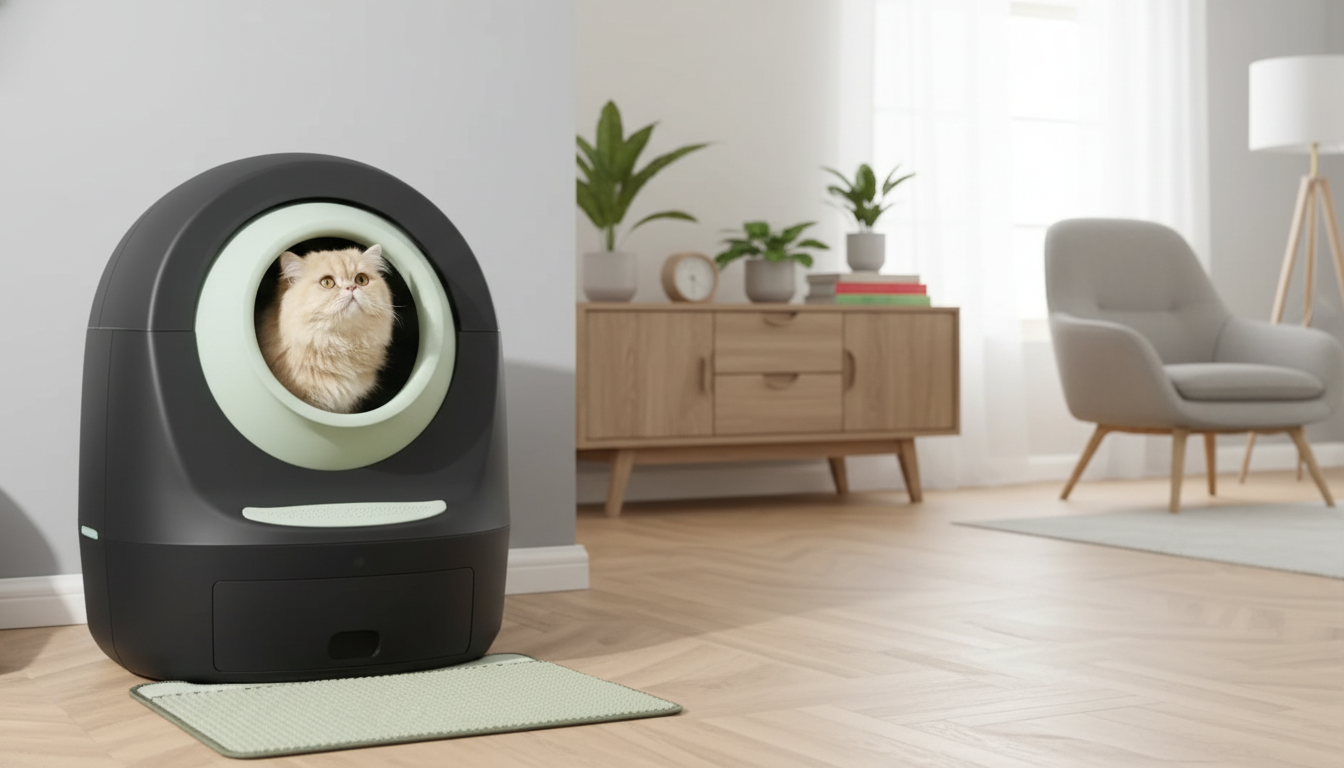
Automatic Oversized Self-Cleaning Cat Litter Box: A Roomier, Lower-Mess Setup for Busy Homes
A larger automatic litter box can reduce daily scooping, control odors more consistently, and give big cats or multi-cat households the extra space they prefer. This guide breaks down what “oversized” really changes, what to look for before buying, and how to set it up so cats transition smoothly.
Why an oversized automatic box changes day-to-day maintenance
When a litter box is genuinely roomy, the benefits show up in everyday use—not just in specs. Cats that feel cramped are more likely to perch, miss, or avoid the box altogether, especially larger breeds or cats carrying extra weight.
- More interior space helps larger cats turn and posture comfortably, which can reduce accidents near the box.
- Better litter distribution is common in bigger chambers, helping clumps form and separate more cleanly during cleaning cycles.
- Multi-cat usability improves when there’s enough room for a cat to enter, do their business, and exit without feeling cornered—especially when paired with a consistent cleaning schedule and proper litter depth.
- Odor exposure drops because waste is removed more quickly, but performance still depends on litter type, fill level, and how often the waste bin is emptied.
For general litter box best practices (including box count, placement, and cleanliness), reputable guidance from the Cornell Feline Health Center and International Cat Care can help you troubleshoot issues that aren’t strictly “product problems,” such as stress, guarding, or aversion.
Core features to evaluate before buying
Not all self-cleaning boxes behave the same way. Before checkout, it helps to focus on a few practical details that affect comfort, safety, and how much time you’ll spend maintaining the unit.
- Capacity and fit: confirm the interior dimensions and entry height for senior cats, kittens, or cats with mobility limitations.
- Safety and sensors: look for reliable cat-detection and anti-pinch logic that pauses cycles when a cat approaches or enters.
- Odor control: consider sealed waste compartments, filter options, and how well the design minimizes open-air waste.
- Noise profile: quieter motors matter for skittish cats and small apartments; place the unit away from sleeping areas when possible.
- Power and backup: check how the unit behaves after outages and whether settings persist.
- Cleaning and upkeep: smooth interior surfaces, removable liners, and easy-access waste bins reduce deep-clean time.
- Litter compatibility: confirm which litters clump well and won’t jam sifting mechanisms (typically unscented clumping litter works best).
| What to check | Why it matters | Practical tip |
|---|---|---|
| Interior space | Comfort for large cats and better turning radius | Compare dimensions to the cat’s length nose-to-rump and allow extra room |
| Entry height | Accessibility for seniors and short-legged breeds | Add a low step if the entry is tall |
| Waste bin seal | Odor control between emptying | Choose a design that closes tightly and supports deodorizing filters |
| Pause/anti-trap sensors | Safety during cleaning cycles | Test the pause function during setup and keep firmware updated if supported |
| Cleaning access | Less time spent on deep cleans | Prefer removable bins and easy-wipe surfaces |
| Litter type supported | Prevents clump breakup and sifting jams | Start with unscented clumping litter; avoid crystal litter unless approved |
Placement, setup, and a smooth transition plan
Even the best automatic box can fail if it’s placed in a stressful spot or introduced too abruptly. Cats value predictability, and the goal is to make the new box feel safe and familiar.
If you’re working through persistent avoidance or toileting problems, the American Veterinary Medical Association (AVMA) has general cat-care guidance, and a veterinarian can help rule out medical issues (such as urinary discomfort) that can masquerade as “litter box behavior.”
Cleaning routine and troubleshooting common issues
A closer look at the Automatic Oversized Self-Cleaning Cat Litter Box
The Automatic Oversized Self-Cleaning Cat Litter Box is built for owners who want less daily scooping while maintaining a spacious interior that feels comfortable for bigger cats. It’s a practical fit for households that prefer a more consistent cleaning cycle without frequent manual sifting—while still planning on routine waste-bin emptying and periodic wipe-downs to keep odor control at its best.
| Item | Details |
|---|---|
| Product | Automatic Oversized Self-Cleaning Cat Litter Box |
| Availability | In stock |
| Price | $2710.20 USD |
| Product page | https://havencia.com/automatic-oversized-self-cleaning-cat-litter-box/ |
Helpful add-ons for a cleaner, calmer home routine
- Clear Space, Clear Mind: How to Find Motivation and Declutter Your Home for Good (digital guide) for establishing a quick reset routine around high-traffic pet areas.
- Breathe Easy: Your Mindfulness Breathing Action Checklist (digital checklist) for staying consistent during transitions when pets (and people) are adjusting to new equipment.
FAQ
Do vets recommend self-cleaning litter boxes?
Many veterinarians are fine with them when they’re safe, cleaned regularly, and the cat uses them reliably. Keep an eye out for changes in urination habits or avoidance, and consider keeping a backup option during transitions.
How often does the waste bin need to be emptied?
It depends on the number of cats and the bin size, but many homes fall somewhere between every few days and once a week. Empty it sooner if odors increase or the bin is nearing full, since overfilling can reduce sealing and interfere with cycles.
What litter works best in an automatic self-cleaning box?
Unscented clumping litter that forms firm clumps is usually the most reliable for automatic cleaning mechanisms. Very dusty, lightweight, or non-clumping litters can reduce performance unless the manufacturer specifically lists them as compatible.










Leave a comment