



Winter Weeknight Comfort Menu System (10-in-1 Bundle)
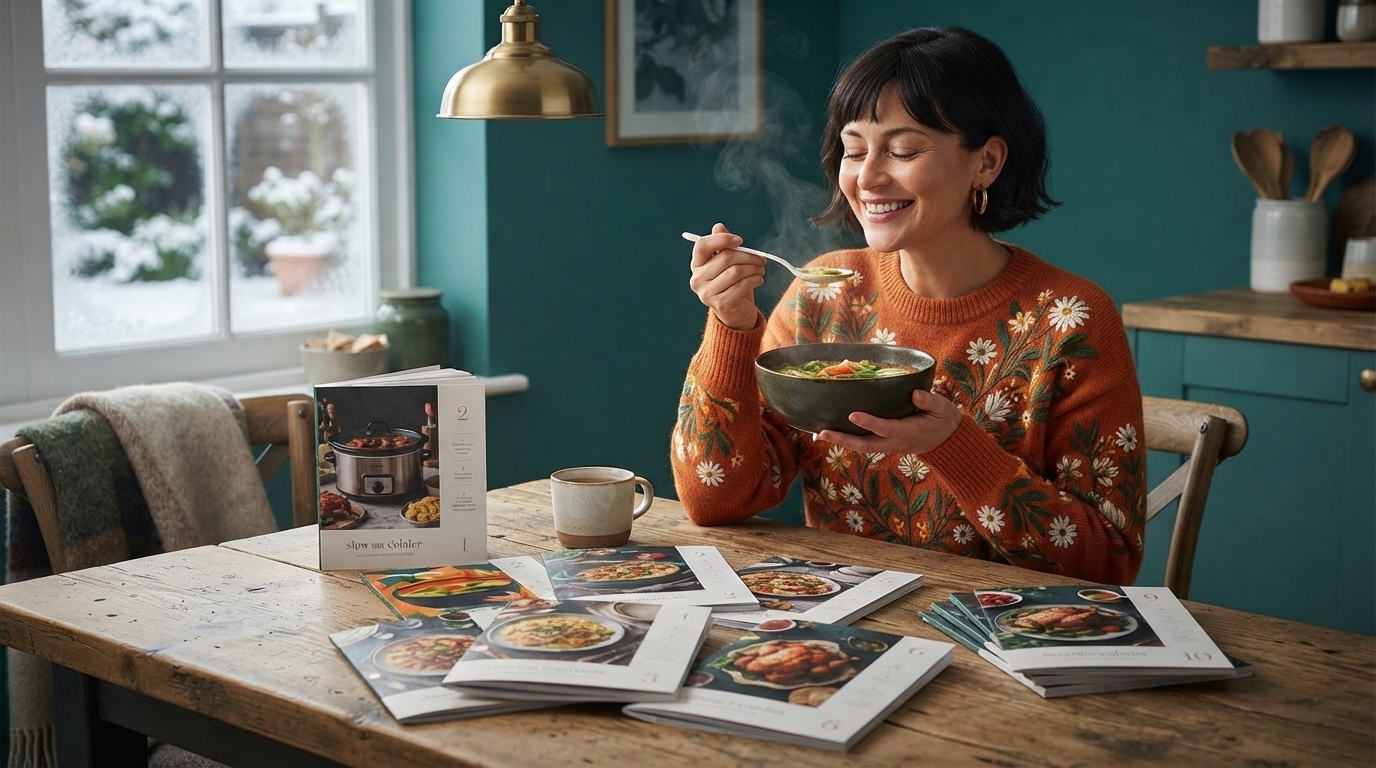
Comfort Menu System for Winter Weeknights: A 10-in-1 Bundle for Cozy Dinners Without the Guesswork
Cold evenings call for warm, reliable meals—but weeknights rarely leave time for elaborate planning. A structured comfort menu system helps turn winter cooking into a repeatable routine: pick a theme, follow a guide, batch a few components, and get hearty dinners on the table with less decision fatigue.
What a winter weeknight comfort menu system looks like
A winter comfort menu system is less about chasing brand-new recipes and more about using a dependable framework that makes “good dinner” predictable.
- A repeatable dinner rotation: rotating categories like soups, bakes, skillet meals, and slow-cooker favorites so you’re not reinventing the wheel every night.
- Built-in guidance that connects meals: shopping notes, prep steps, cooking order, and leftovers that intentionally roll into lunches or a low-effort “remix” night.
- A bundle approach that reduces decisions: recipes grouped with checklists, planning pages, and technique guides so you spend less time searching and more time cooking.
Why comfort food works best when it’s planned as a system
Comfort food tends to use familiar staples, longer-simmering flavors, and satisfying textures—exactly the kind of cooking that becomes easier when you plan it as a connected set.
- Fewer last-minute takeout calls: “What’s for dinner?” becomes a quick selection, not a daily debate.
- Shared staples get used up: broth, onions, potatoes, beans, pasta, tomatoes, and cheese can appear across multiple meals without feeling repetitive.
- Cozy and practical can coexist: one-pot meals on busy nights, oven bakes when there’s a little extra time, and leftovers that reheat well for lunches.
- Better portioning and less waste: pairing mains with flexible sides (salads, roasted vegetables, bread) makes it easier to stretch meals and repurpose extras.
For a balanced plate alongside richer comfort dishes, the Healthy Eating Plate is a helpful visual guide for building meals with vegetables, protein, and whole grains where possible (Harvard T.H. Chan School of Public Health).
The 10-in-1 bundle: what’s included and how it fits together
The goal of a bundle is to give you the “system” and the “meals” at the same time—so planning doesn’t rely on scattered notes or half-saved tabs.
- Cozy comfort recipes designed for winter weeknights: hearty, satisfying flavors built around repeatable techniques.
- Planning tools: weekly menu templates, shopping lists, and prep checklists that make execution faster.
- Technique and guidance: timing cues, make-ahead steps, and storage notes so results are consistent, even on tired nights.
- A mix of meal types: quick builds, simmered classics, and oven-ready comforts—so your plan matches your energy level.
- Digital-friendly organization: keep the recipes and guides open while shopping or cooking without flipping through multiple sources.
If you want the full system in one place, see the Comfort Menu System for Winter for Weeknights – 10-in-1 Bundle of Cozy Comfort Food Recipes and Guides.
A simple weekly flow that makes weeknights easier
Instead of planning seven perfect dinners, aim for a rhythm that covers most nights and makes leftovers a feature, not an accident.
| Day | Comfort Theme | Main Idea | Make-Ahead Boost | Leftover Plan |
|---|---|---|---|---|
| Mon | Soup Night | Hearty soup + bread | Chop aromatics on prep day | Pack 2 lunch portions |
| Tue | Skillet or Pasta | One-pan or pasta comfort | Grate cheese / pre-cook protein | Reserve 1 serving for Thu |
| Wed | Oven Bake | Casserole-style cozy bake | Assemble earlier, bake at dinner | Freeze a portion if possible |
| Thu | Low-Effort Remix | Leftover upgrade night | Keep toppings ready (herbs, yogurt, crunch) | Clear the fridge |
| Fri | Slow Simmer / Slow Cooker | Set-and-forget comfort | Load ingredients in the morning | Save broth/sauce for weekend |
How to customize comfort meals for different households
Shopping and pantry strategy for winter comfort cooking
Storage, reheating, and keeping comfort food tasting fresh
- Cool and store safely: move hot food to shallow containers, refrigerate promptly, and label with dates. For detailed guidance, use the USDA leftovers and food safety resource.
- Reheating best practices: soups reheat gently; baked dishes often benefit from an oven reheat to restore texture; add fresh toppings after warming.
- Texture fixes: loosen thick soups with a splash of broth; crisp roasted items with a few minutes of high heat.
- Freezer-friendly habits: freeze in meal-sized portions and keep a simple list of what’s frozen and when it was made. The FDA storage chart is a useful reference.
When the 10-in-1 comfort menu bundle is the right fit
More digital bundles you may like
- Color Theory Seasons Bundle 10-in-1 | Seasonal Color Analysis Guides & Checklists for streamlined wardrobe decisions when you want less day-to-day guesswork.
- Low-Effort Makeup Secrets Pack | Simple Makeup Ideas 4-in-1 Digital Beauty Bundle for quick routines that fit into busy mornings.
FAQ
How many nights can a winter comfort menu system cover each week?
Most households plan 4–5 dinners and let leftovers cover one additional low-effort night. Repeating the same themes (soup, bake, skillet, slow-cooker, remix) keeps planning fast while still feeling varied.
Are the recipes suitable for busy weeknights with limited time?
Yes—this style of system emphasizes quick-start steps, one-pot and oven-friendly options, and make-ahead components that reduce hands-on time. Checklists also cut down on nightly decisions, which makes the whole process feel faster.
Can the bundle help with shopping lists and meal prep planning?
Yes—planning pages and prep checklists support consolidated shopping, pantry-staple planning, and small prep-day tasks that speed up weeknights. Storage notes also make it easier to portion leftovers and use them intentionally.















Leave a comment